On Saturday, August 29, the corner of Point Breeze Avenue and Tasker Street stopped being an intersection and became a stage. Remy Ma and Fabolous took turns over a sound system loud enough to reach the rowhomes three blocks off Broad. SWV closed it out. Kids grabbed free bookbags and school supplies off folding tables set up along the sidewalk, timed to land the weekend before the first bell of the school year. The event, produced with Council President Kenyatta Johnson's office and the nonprofit I-LEAD, was free from start to finish, the kind of afternoon Visit Philly described as an event that simply "turns Point Breeze all the way up."
The concert offers one view of the corridor; its businesses and public spaces are part of everyday neighborhood life, too.
The corridor on ordinary days
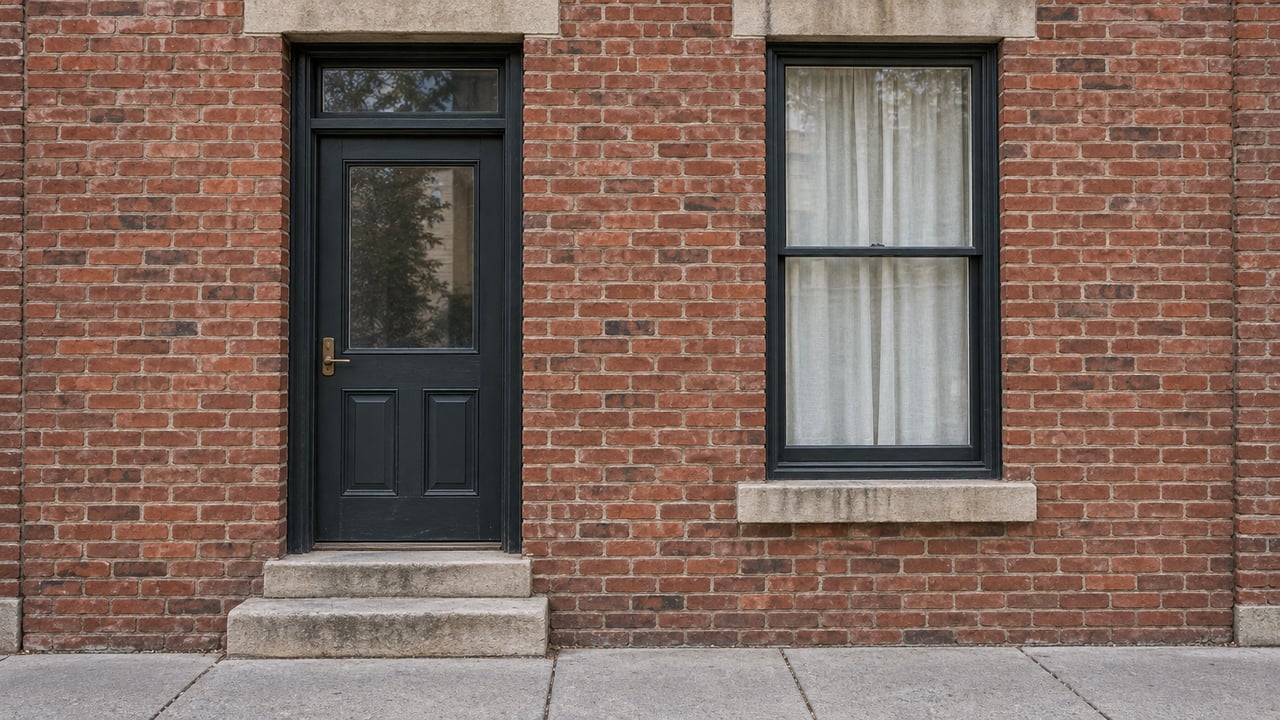
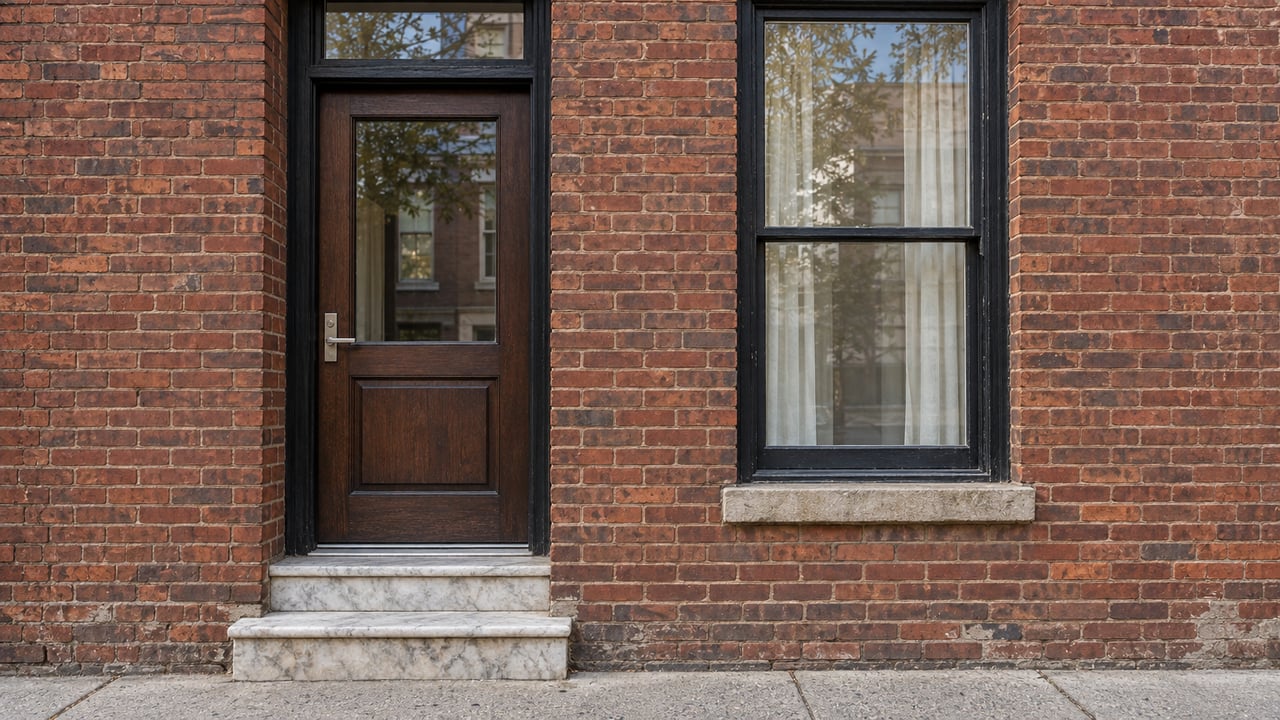
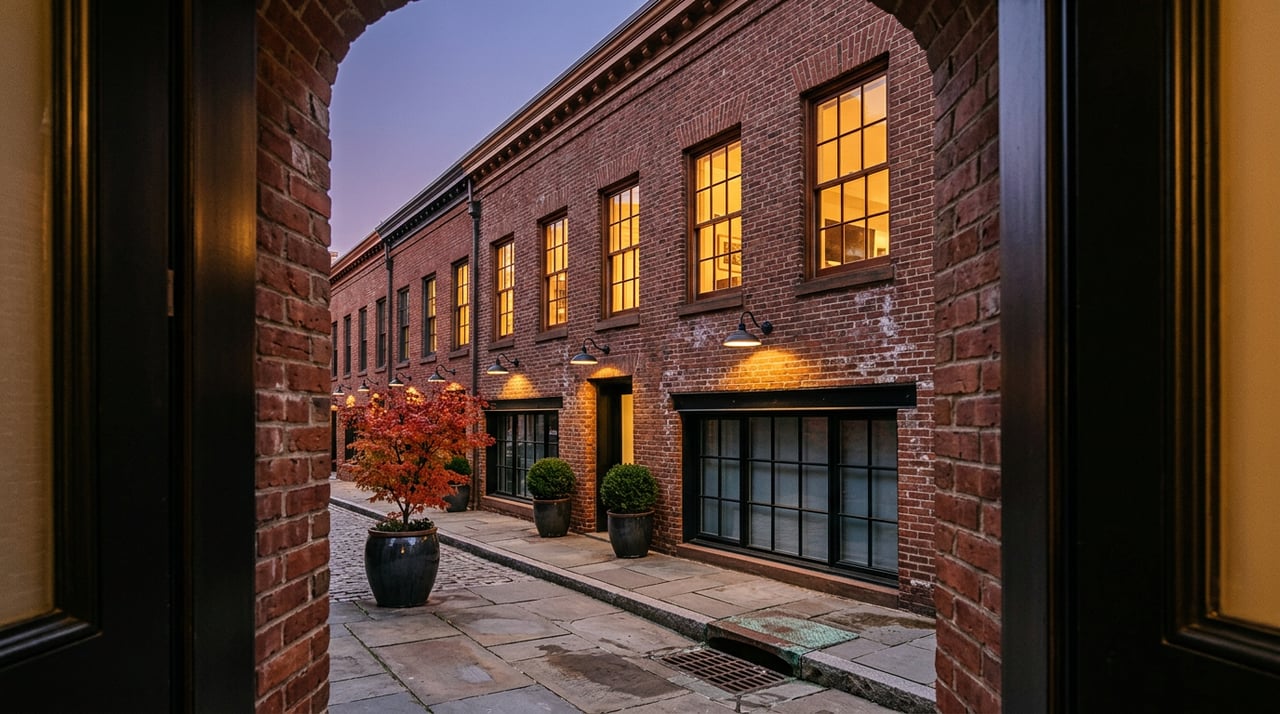
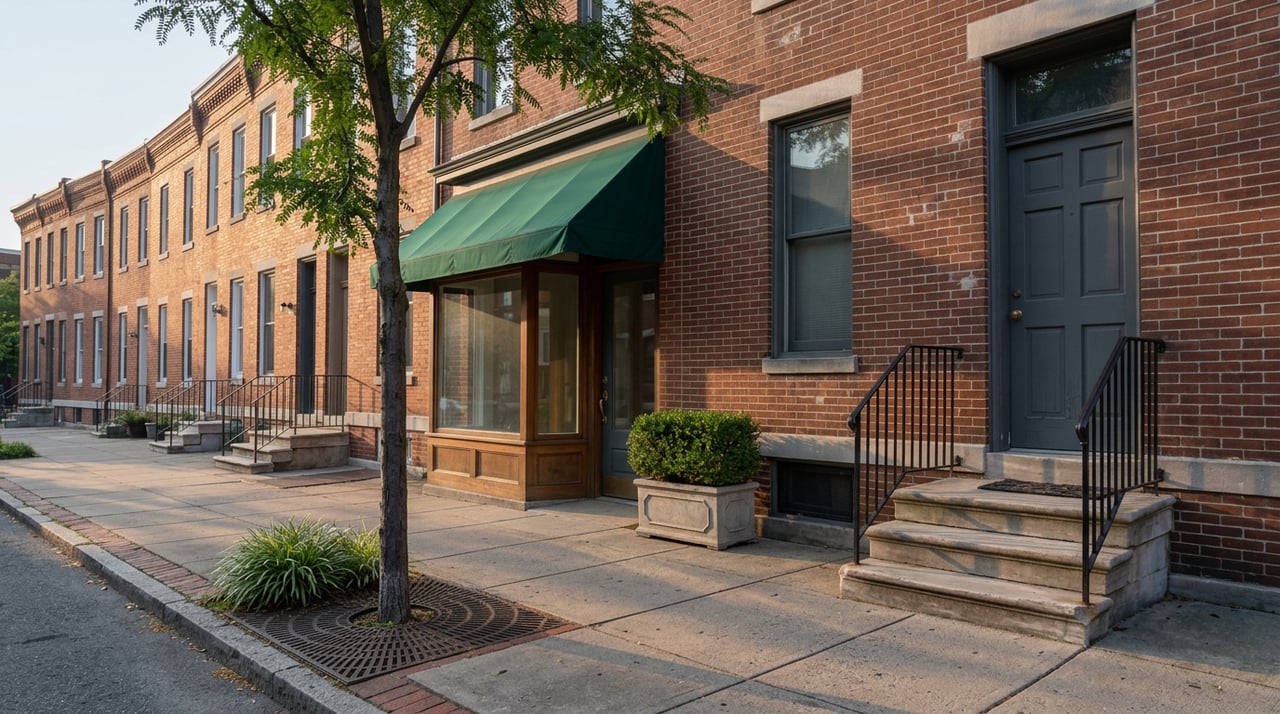
Walk the avenue on an ordinary Tuesday and the businesses are spread out over a mile and a half, interspersed with rowhome fronts, a construction fence, and blocks without commercial storefronts. Neighborhood histories describe a thriving business district along the avenue through the 1960s, when locals nicknamed the area "The Breeze." Today's businesses include longtime establishments that have each, in their own way, become fixtures.
A short list of what's actually open on a normal day, not a festival day:
- Culture Exchange, a gift shop on the avenue that has been selling cards, oils, and balloons since 1987, longer than most of the newer construction around it has existed.
- The Tasty Toast, known for chicken and waffles and a rotating lineup of fruit smoothies.
- The Fresh Works, directly across the street, for hoagies and cheesesteaks.
- El Mezcal Cantina, a bar built around mezcal flights and a rotating weekly cocktail.
- Rosario's Pizzeria, which pairs Mexican and Italian menus, birria tacos next to fusion pizza.
- Small Oven Pastry Shop, a few blocks over on Washington Avenue.
That is a real lineup, spread along the avenue rather than gathered in a continuous row of storefronts.
An earlier pop-up garden on the avenue
In 2015, as PhillyVoice reported, John Longacre, the owner behind South Philadelphia Tap Room and American Sardine Bar, opened a pop-up garden at 1622 Point Breeze Avenue, between Tasker and Morris, through his company LPMG Properties. For one summer, the empty lot hosted food trucks, a produce cart, and community programming. Longacre was straightforward about what it was. "It's a test to see what we can do there," he told PhillyVoice at the time.
Plans followed for a residential building on the same site with commercial space built into the ground floor, echoing what Longacre had already done blocks away when he converted a rundown corner into South Philadelphia Tap Room and built rowhomes around it. Claudia Sherrod, president of the Point Breeze Registered Community Organization and South Philadelphia H.O.M.E.S., backed the idea.
More than a decade later, plans for the avenue still include residential buildings with ground-floor commercial space.
New projects pair housing with ground-floor retail
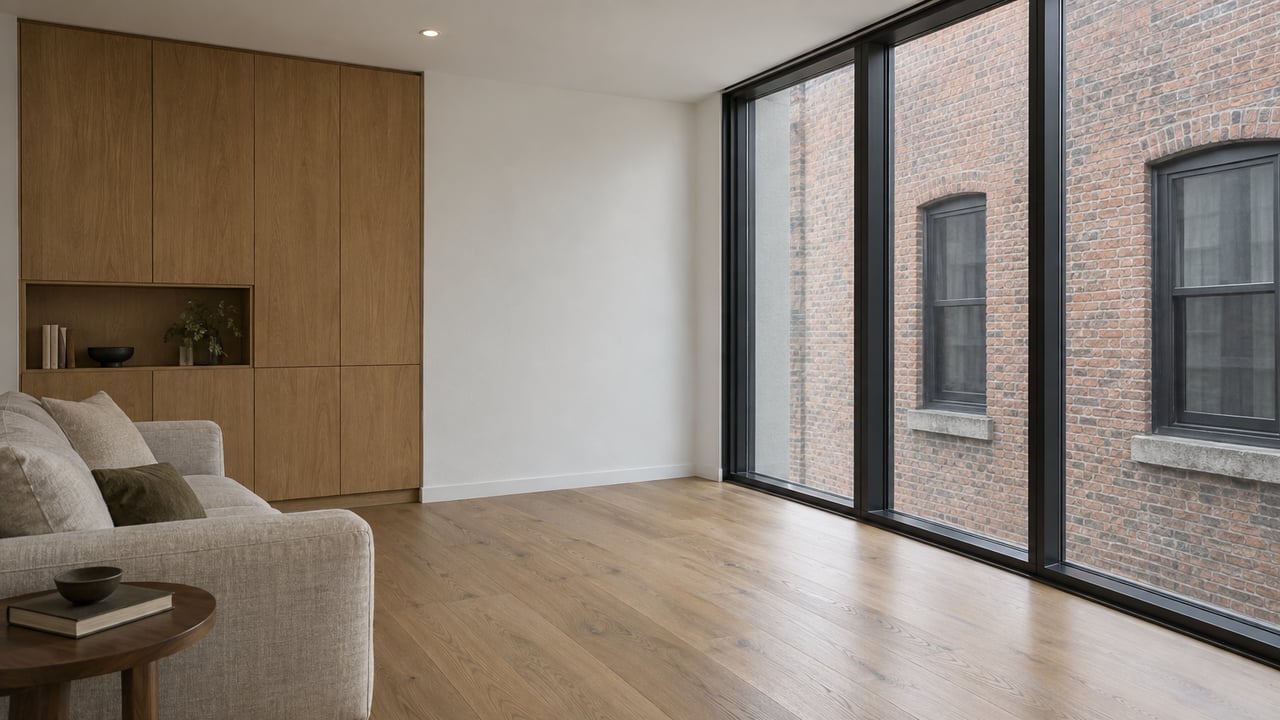
That pattern is still playing out today. A four-story, six-unit mixed-use building has been proposed at 1437 Point Breeze Avenue, replacing what's currently described as a dilapidated two-story commercial structure between Dickinson and Reed. A few blocks away, renderings have circulated for a seven-story building at 1520 Washington Avenue that would put 55 residential units above ground-floor retail, with 74 parking spaces built in underneath.
Both projects pair residential units with ground-floor retail, as did the earlier proposal for Longacre's site, reflecting a combination found in proposals along the avenue.
Cultural landmarks and public spaces
Point Breeze's cultural landmarks and public spaces are another part of the neighborhood, alongside its commercial corridor. At 22nd and Ellsworth, Keith Haring's 1987 mural "We the Youth," created with the New York youth organization CityKids, still anchors a small garden that the Mural Arts program restored in 2013 with funding from the Keith Haring Foundation. The mural appears on citywide mural tours, and it predates almost every building currently going up around it.
A few blocks over, the Point Breeze Performing Arts Center has been running instructional classes and live performances out of the neighborhood since 1984. Wharton Square gives the area its tennis courts and a playground that stays busy on weekday afternoons. Chew Playground's community pool has spent another summer as one of the few places in the neighborhood where the whole block actually overlaps, kids and adults both, on the hottest days of August. Columbus Square Dog Park handles the rest of the daily foot traffic.
None of that is retail. All of it is public life, alongside the commercial corridor. The August 29 concert was produced with Council President Kenyatta Johnson's office and the nonprofit I-LEAD, offering another community event on the avenue.
Point Breeze Avenue's businesses, new building proposals, cultural landmarks and community events all form part of the corridor's story. For a deeper look at how the mural and its garden fit into the neighborhood's daily rhythm, our guide to art and coffee in Point Breeze covers that ground in more detail. For the full picture of what's happening block by block, our Point Breeze neighborhood page stays current as the corridor keeps filling in.
If you're weighing a move onto or off of this stretch of South Philadelphia and want a read on what these projects mean for your specific block, The Eric Fox Team knows this corridor building by building. Request your free market valuation and tailored selling plan whenever you're ready to talk specifics.