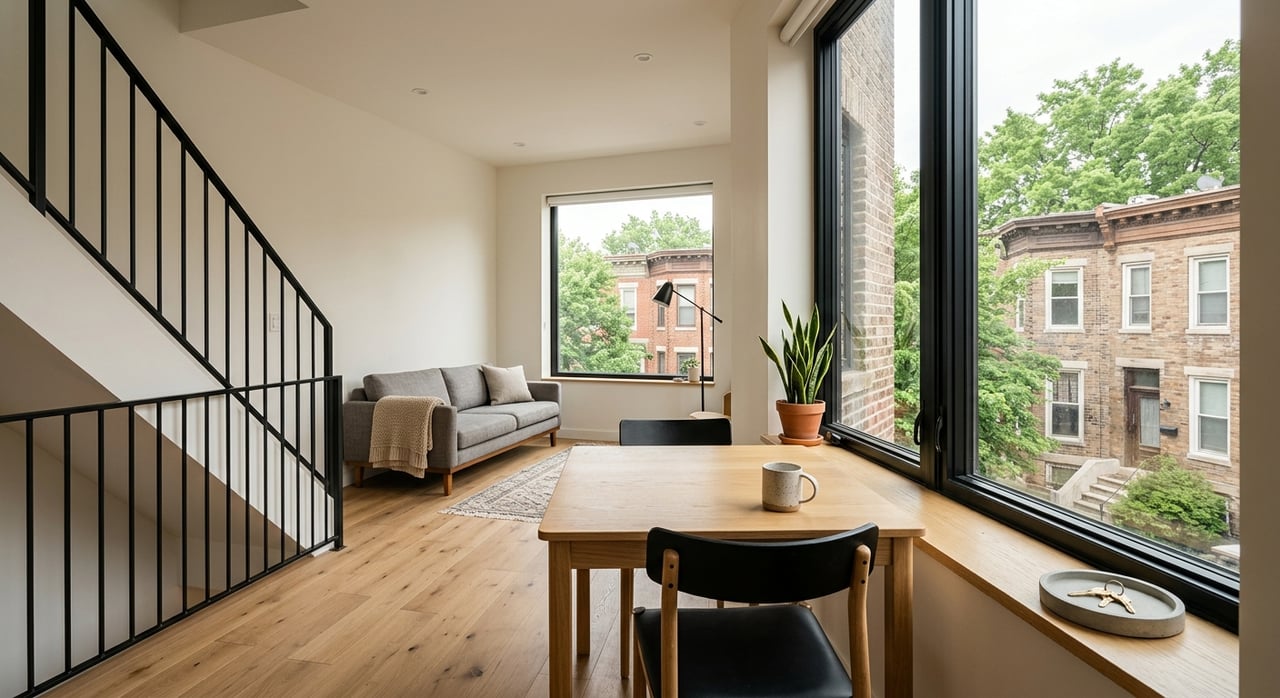
If you are trying to picture everyday life in Graduate Hospital, the answer is less about big tourist moments and more about rhythm. This part of Southwest Center City gives you a residential feel with easy access to restaurants, parks, transit, and the riverfront, all within Center City’s orbit. If you want a clearer sense of what your mornings, evenings, and weekends might actually look like here, this guide will walk you through it. Let’s dive in.
A neighborhood with a calm city pace
Graduate Hospital, also known as Southwest Center City, generally spans Broad Street to the Schuylkill River and South Street to Washington Avenue. Within those boundaries, the neighborhood is widely described as tree-lined, walkable, and shaped by a mix of historic rowhomes and newer businesses.
What that means for daily life is simple: you get city access without feeling like you are in the middle of constant noise and motion. Many blocks feel residential during the week, while South Street West adds a busier edge with restaurants, shops, and steady foot traffic.
The area also reflects a broader South Philadelphia identity. Its connection to the former Graduate Hospital complex, South Street West, and longstanding Black cultural history, including the annual ODUNDE Festival, gives the neighborhood a sense of place that feels grounded and active.
Mornings usually start close to home
One of the easiest ways to understand Graduate Hospital is through its morning routine. You do not need to go far for coffee or breakfast, which helps the neighborhood feel convenient in a very practical, everyday way.
Neighborhood staples listed by Visit Philadelphia include Ants Pants Cafe, Miles Table, Saigon Grace Cafe, The Breakfast Den, and Sabrina’s Café. That mix suggests you can build a regular routine around nearby spots instead of planning your day around a longer commute for simple errands or meals.
For many residents, that likely means grabbing coffee, picking up breakfast, and walking back through a rowhome-lined block before work starts. It is a small detail, but it shapes how livable a neighborhood feels over time.
South Street West anchors errands and dining
South Street West plays a major role in the day-to-day experience here. It acts as the main commercial corridor, giving the neighborhood a place where dining, browsing, and quick stops all come together.
Visit Philadelphia highlights restaurants such as Illata, L’Anima, Kei Sushi Restaurant, and Rex at the Royal, along with more casual options like South Street Diner, which is described as open 24 hours. Many restaurants in the area are also BYOB, which is part of the local dining pattern.
For you, this often translates to convenience. You can picture a typical afternoon or evening as a short walk to pick up a meal, meet friends for dinner, or browse a few shops without needing to make a bigger outing out of it.
That compact feel matters. In a neighborhood like Graduate Hospital, daily errands can blend into the rest of your routine more naturally, which is one reason the area often appeals to buyers who value walkability.
Getting around without relying on a car
Transportation is a big part of what shapes life here. SEPTA describes Graduate Hospital as walkable, and the neighborhood can be reached by the Broad Street Line at Lombard-South as well as Bus Routes 7, 12, and 40.
That gives you multiple ways to move between home, Center City, and other parts of Philadelphia. If you work downtown, meet clients across the city, or simply prefer not to drive for every trip, that access can make daily life feel more flexible.
Parking is noted as limited, so many residents likely build walking and transit into their routines. In practice, that can mean a lifestyle where the sidewalk, bus stop, and subway station matter just as much as your driveway would in another setting.
River access adds breathing room
A standout part of the neighborhood lifestyle is how close you are to the Schuylkill Banks Boardwalk. The Boardwalk extends from Locust Street to South Street, and the South Street Ramp provides ADA-accessible access from the northeast side of the South Street Bridge.
Visit Philadelphia says the Boardwalk is used by pedestrians, runners, and cyclists and offers skyline views over the river. That adds a very different dimension to daily life than a standard city grid alone.
If you like to start the day with a walk, fit in an evening run, or spend part of your weekend outdoors, that access can become part of your routine quickly. It gives Graduate Hospital a connection to open space that balances its dense, urban setting.
Parks support everyday neighborhood life
Graduate Hospital is not defined by one giant park. Instead, it has a network of recreation spaces that support more casual, neighborhood-scale use.
Marian Anderson Recreation Center is one of the main anchors nearby. According to the City of Philadelphia, the 3.4-acre site includes a playground, ball field, pool, basketball courts, and a building with a gymnasium, boxing gym, dojo, computer room, and multipurpose rooms.
That range of amenities makes it a practical resource for day-to-day recreation. Whether you are thinking about active use, structured programs, or simply having public facilities nearby, it contributes to the neighborhood’s lived-in feel.
Julian Abele Park adds another layer. It is described as a place for picnics and live music, which points to the way smaller parks can function as social spaces in this part of the city.
Carpenter Green Park is another example. SOSNA describes it as an urban oasis at 17th and Carpenter, with walkways, hardscaping, a sprayground element, trees, and plants, plus a Friends group that helps support maintenance and programming.
Together, these spaces suggest a neighborhood where outdoor time is woven into daily life in smaller, more local ways. You are not heading to a single destination park every time. Instead, you have several nearby options that fit different routines.
What the housing setting feels like
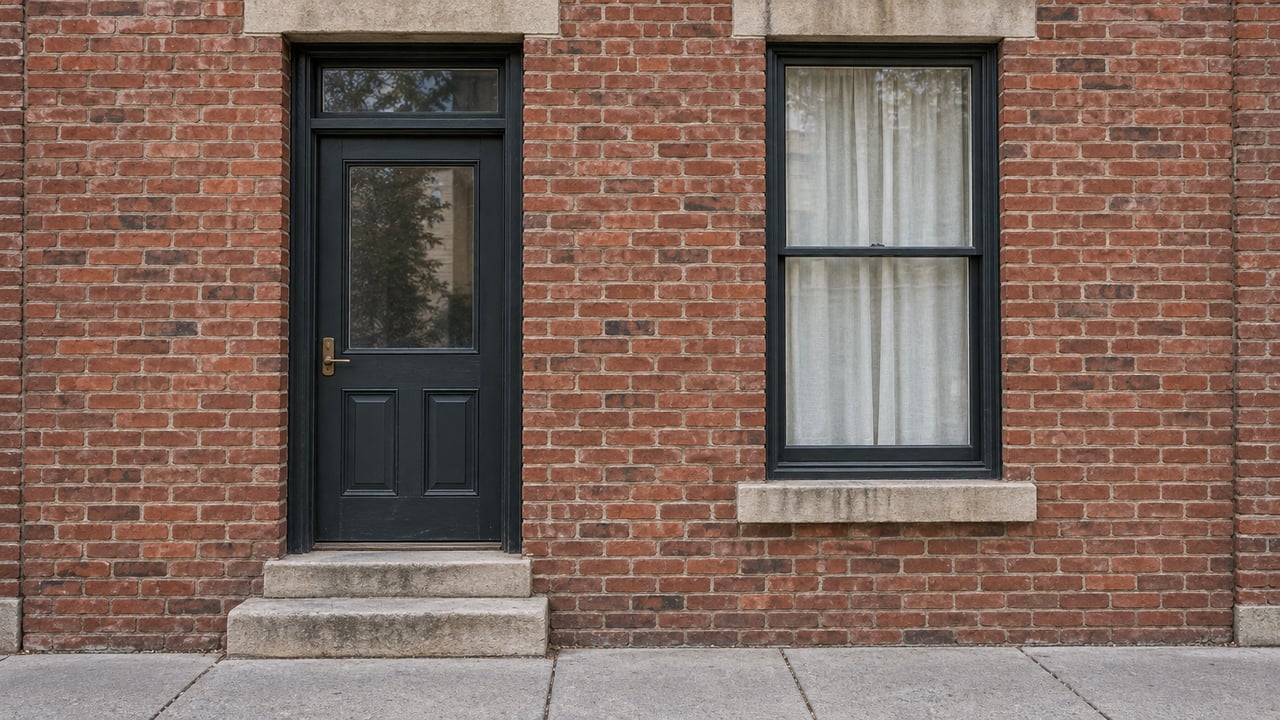
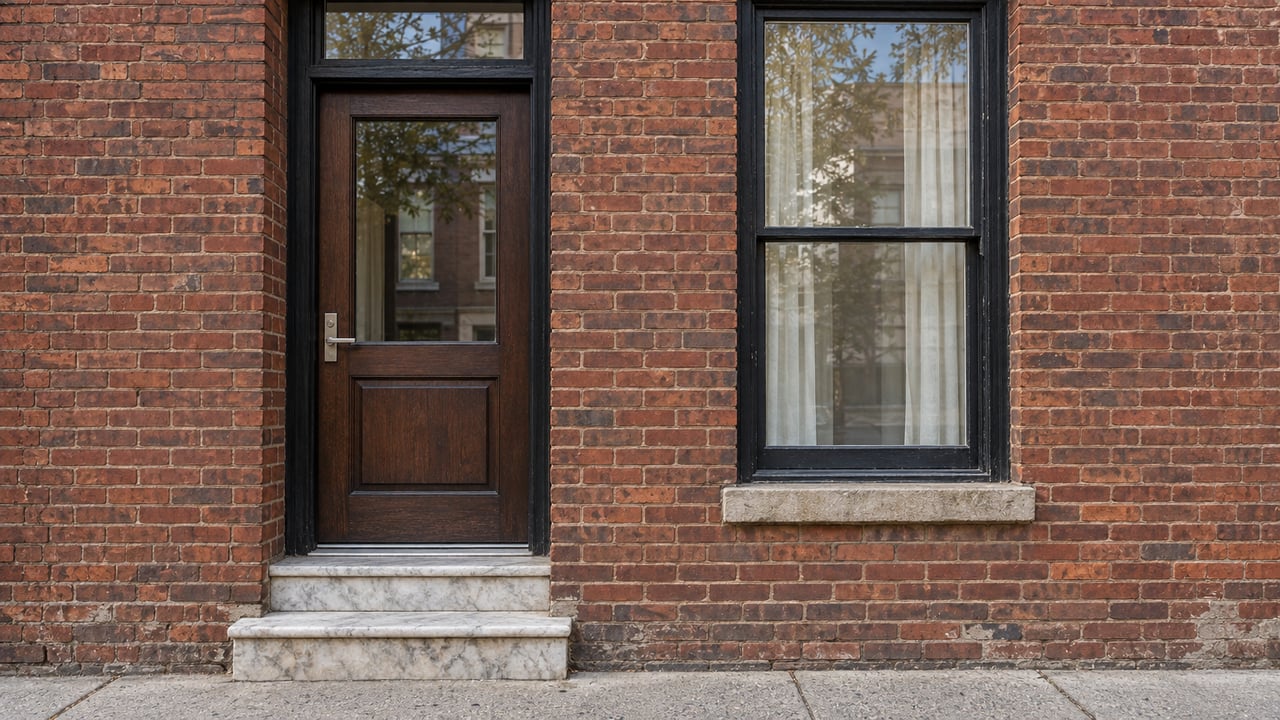
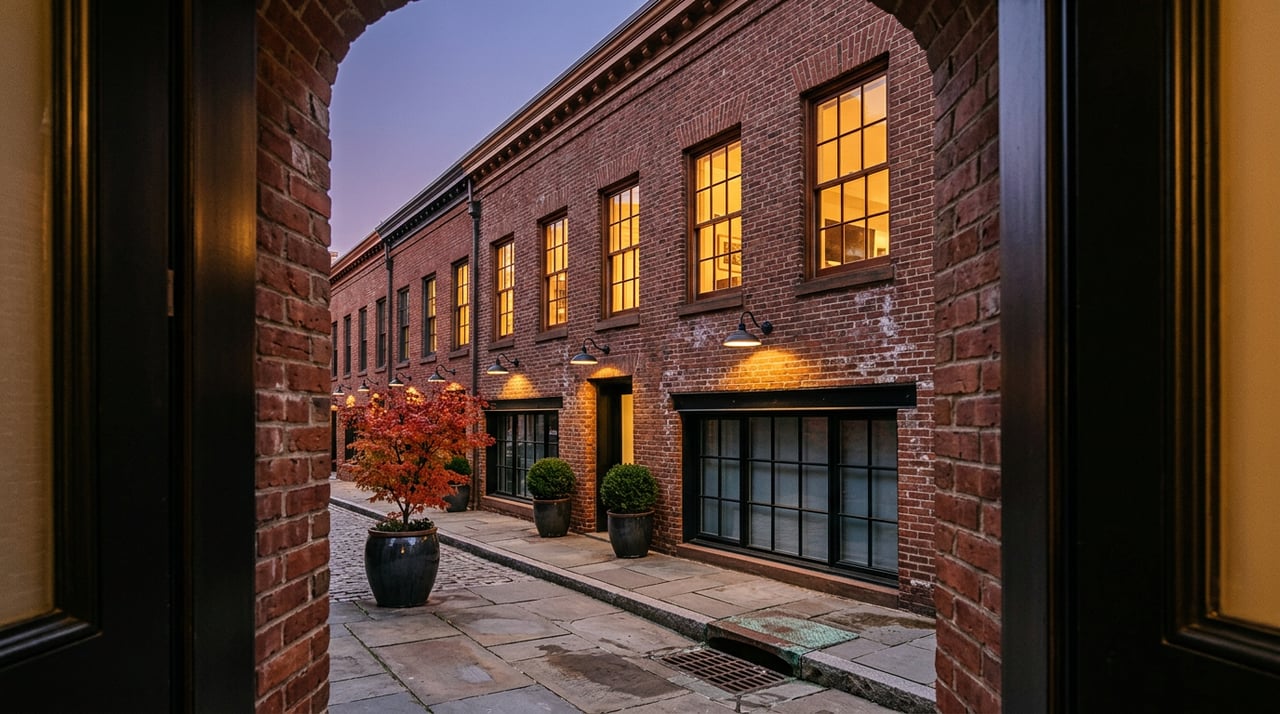
The overall physical setting helps explain the neighborhood’s appeal. Sources consistently describe Graduate Hospital as a place with rowhomes, walkable streets, and a neighborhood scale that feels more residential than many people expect this close to Center City.
That blend can be especially attractive if you want an urban home base with a little breathing room. You are still near the energy of Center City, but many residential blocks offer a quieter backdrop for everyday life.
For buyers considering a townhouse or condo nearby, this matters because lifestyle and housing are closely connected here. The appeal is not just the home itself, but how easily the surrounding neighborhood supports your routine.
Who often connects with Graduate Hospital
Graduate Hospital tends to make sense for people who want a balance. You may want walkability and transit access, but you may also want a neighborhood that feels more settled than a busier downtown core.
It can also suit buyers who value being able to step out for coffee, dinner, a park visit, or a river walk without a lot of planning. That kind of convenience often shapes satisfaction with a neighborhood more than any single amenity.
For some people, the draw is practical access to Center City. For others, it is the combination of rowhome streets, local dining, and recreation spaces that creates a comfortable daily rhythm.
The bottom line on daily life
Daily life in Graduate Hospital feels grounded, walkable, and connected. You have neighborhood breakfast spots, a commercial spine along South Street West, access to SEPTA, and nearby parks and riverfront space that can easily become part of your regular routine.
In other words, it often feels like a residential pocket with city convenience built in. If you are looking at Southwest Center City and want a neighborhood that offers both ease and character, Graduate Hospital is worth a closer look.
If you are exploring homes in Graduate Hospital or thinking about selling in Southwest Center City, The Eric Fox Team can help you evaluate the market with clear, neighborhood-level guidance.
FAQs
What is Graduate Hospital in Philadelphia known for?
- Graduate Hospital is known for its walkable, tree-lined residential blocks, mix of rowhomes and local businesses, and its location between Center City and the Schuylkill River.
What does daily life feel like in Graduate Hospital?
- Daily life in Graduate Hospital often centers on nearby coffee shops, South Street West dining and errands, walkable streets, transit access, and regular use of parks and the riverfront.
How do you get around Graduate Hospital Philadelphia?
- SEPTA says Graduate Hospital is walkable and accessible by the Broad Street Line at Lombard-South and Bus Routes 7, 12, and 40.
Are there parks and recreation spaces near Graduate Hospital?
- Yes. Nearby options include Marian Anderson Recreation Center, Julian Abele Park, and Carpenter Green Park, which offer a mix of recreation facilities, green space, and community gathering areas.
Is Graduate Hospital close to the Schuylkill River Trail area?
- Yes. The neighborhood has access to the Schuylkill Banks Boardwalk near South Street, including an ADA-accessible ramp connection from the South Street Bridge area.