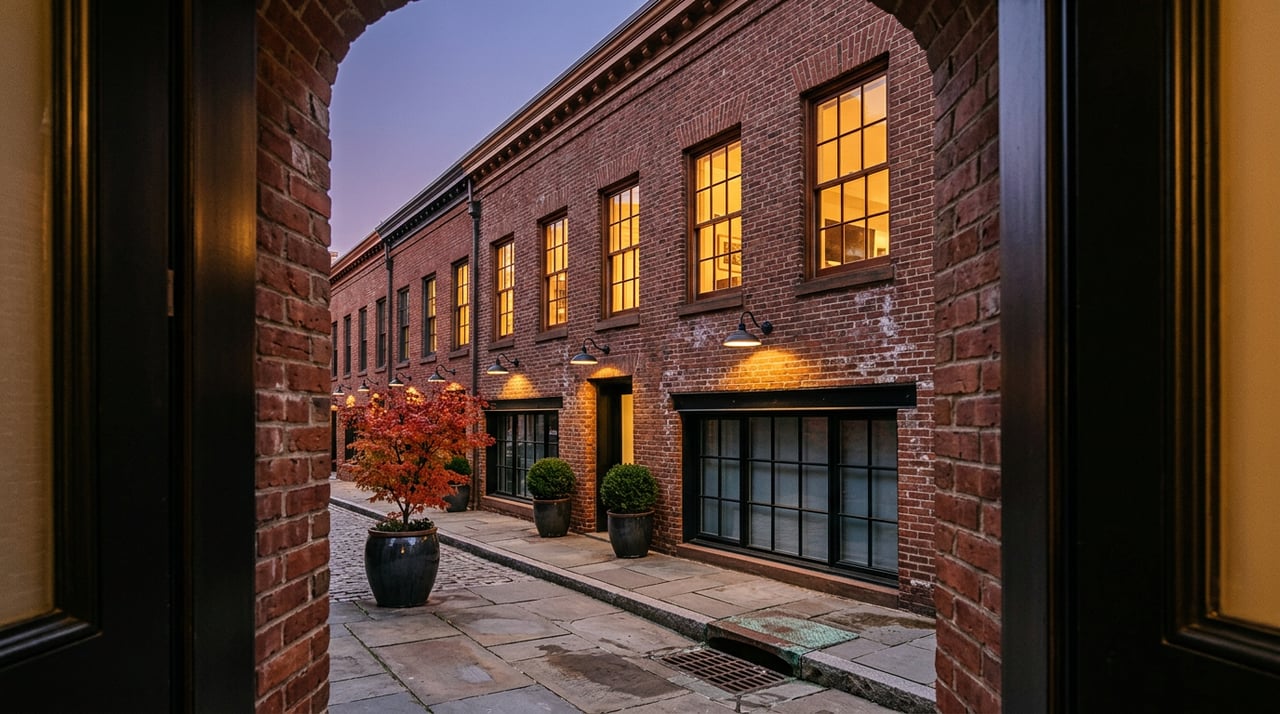
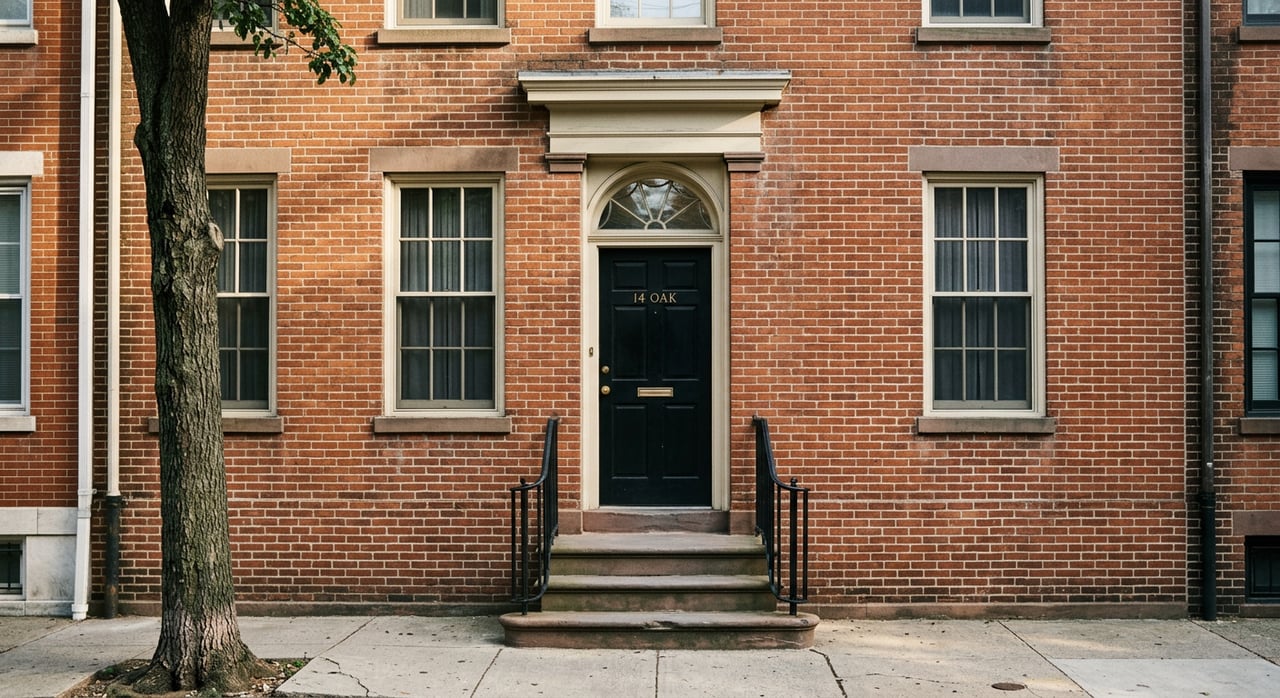
Is a brick-lined, tree-shaded block in Society Hill calling your name? Buying a historic rowhouse here means you get character, craftsmanship and a coveted Center City address. It also means you should plan for specialized inspections, permits and maintenance. In this guide, you’ll learn how local historic rules work, what to look for in inspections, how to plan renovations and which incentives apply. Let’s dive in.
Why Society Hill rowhouses are different
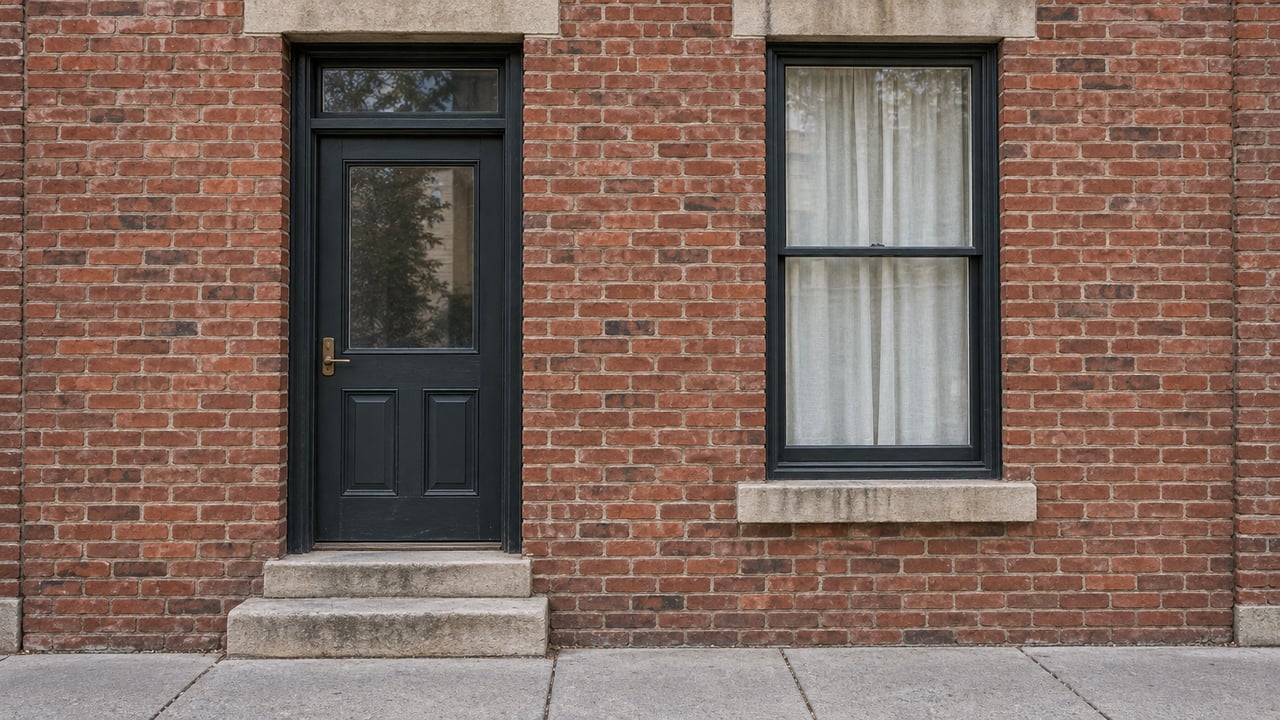
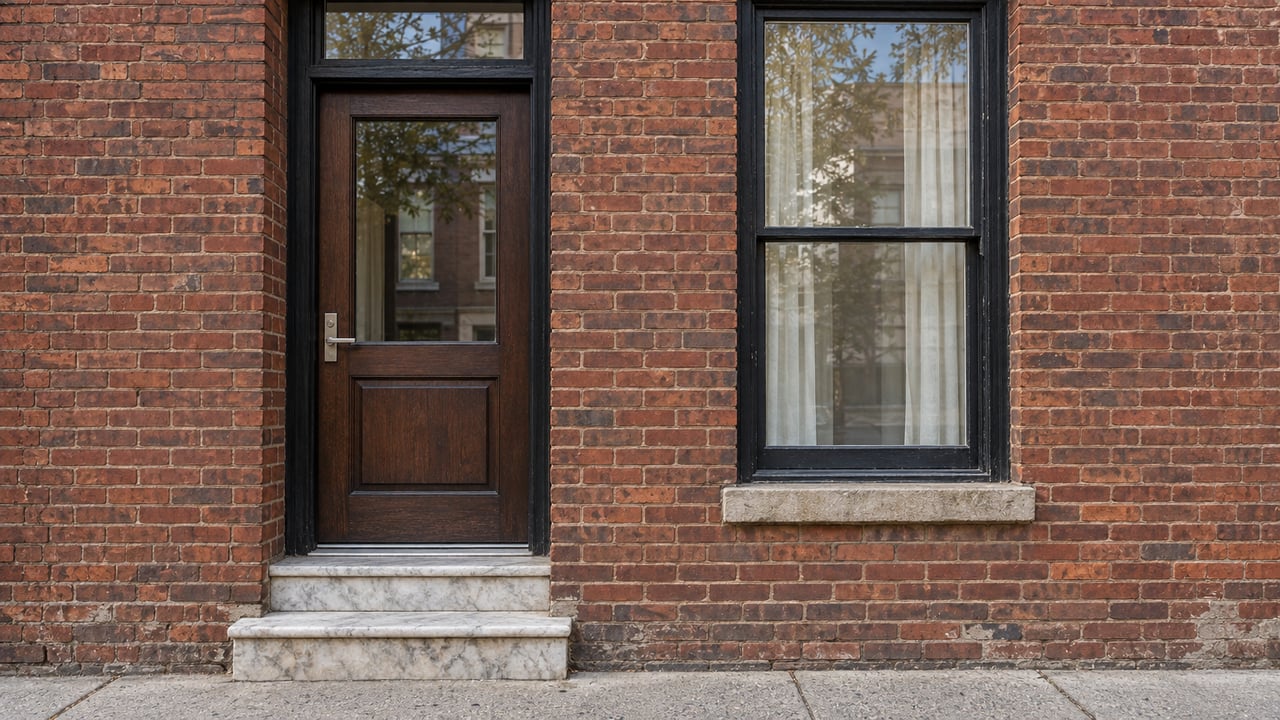
Society Hill’s streets are lined with 18th- and early-19th-century brick rowhouses in Georgian, Federal and Greek Revival styles. Many homes include original wood windows, masonry party walls, rubblestone or stone foundations, and cornice details. You will often see layers of repair across decades, which is part of the charm and part of the homework.
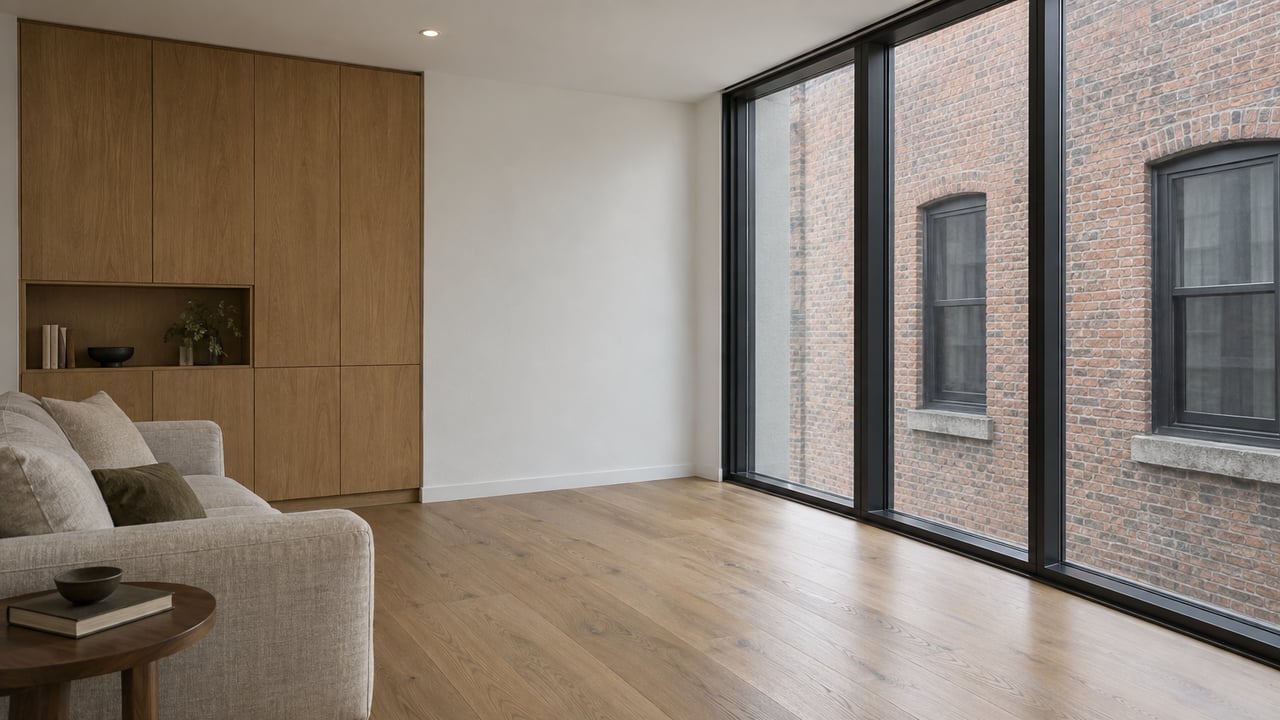
What sets these homes apart is the level of care they deserve. You balance historic character with modern comfort, which often means using experienced trades like preservation carpenters and qualified masons.
What historic designation means for you
National vs. local rules
A property can be listed on the National Register of Historic Places and also be on the Philadelphia Register of Historic Places. National Register listing is honorary for private owners. Local listing is different. The Philadelphia Historical Commission (PHC) reviews and approves exterior work and any permitted changes for properties on the Philadelphia Register or in local historic districts. You can confirm what triggers review and how to contact staff on the PHC’s page for property owners. See the City’s guidance in Information for Property Owners from the Philadelphia Historical Commission.
How approvals and permits work
If your project needs a building permit or alters a visible exterior feature, expect PHC review. The City’s PHC Approval Documentation Form shows what staff may request, such as window shop drawings, masonry pointing samples, and roof or cornice details. PHC coordinates with Licenses and Inspections permitting. Allow extra time when you plan to change principal façades, windows, cornices or storefronts. You can also browse recent activity in the PHC’s building permit logs to see how reviews move through the process.
What PHC does not control
PHC jurisdiction focuses on exterior features and designated interiors. It does not regulate use or zoning. It also does not automatically change property taxes or require you to restore everything. The Commission’s role is to manage change in a way that preserves historic character.
Inspection priorities in Society Hill rowhouses
Masonry and mortar
Older brick façades can show deteriorated mortar, cracked or displaced lintels, and bulging areas. Repointing should use mortar compatible with historic brick. Hard, Portland-cement-heavy mixes can damage soft brick. Review the National Park Service’s Preservation Briefs before you scope work, and plan to hire a mason with historic experience.
Roofs, parapets and cornices
Parapets, cornice joints and flashings are common leak points. A small failure at a parapet cap or cricket can lead to recurring interior plaster damage. Inspect roof coverings, flashing transitions and parapet stability. The Preservation Briefs above offer practical guidance for diagnosing and fixing water issues.
Moisture, basements and backups
Basement dampness and occasional sewer backups are not unusual in older Center City homes. Ask the seller about past flooding, waterproofing, or backwater valves. The City’s Basement Backup Protection Program offers free backwater valve installation for eligible homeowners. If a property shows flood risk, get flood insurance quotes early as part of your underwriting.
Windows and comfort
Historic wood sash windows add value and character. The National Park Service recommends repair and weatherization first when feasible. Storm windows, weather-stripping and selective part replacement can boost efficiency while keeping historic fabric. If you propose visible replacements, PHC often asks for shop drawings, and in-kind matches are typical. See the NPS guidance on evaluating historic windows.
Electrical and insurance
Knob-and-tube or aluminum wiring, along with undersized service panels, is common in older homes. Many insurers either decline standard coverage or require upgrades when these systems are present. Talk with your inspector, electrician and insurer early and price in upgrade costs where needed. For a carrier’s perspective on older systems, review this overview from Insure.com.
Lead and other hazards
Homes built before 1978 may have lead-based paint. Federal law requires sellers to provide lead disclosure and the EPA/HUD pamphlet. If you plan to disturb painted surfaces, contractors must use lead-safe practices under EPA’s RRP rule. Learn more from the EPA’s lead enforcement update here. Asbestos-containing materials may also be present and should be handled by qualified professionals.
Party walls and title
Rowhouses share party walls, and rights or obligations can appear in deeds or agreements. Before structural work that touches a party wall, have your title company and a real estate attorney review recorded documents. A plain-language overview of party wall concepts can help you frame questions for your attorney; see this party wall explainer.
Renovation planning and timelines
Standards and best practices
PHC staff often uses the Secretary of the Interior’s Standards and NPS guidance when reviewing projects. For masonry, windows and moisture, start with the NPS rehabilitation guidelines. They are the technical baseline. See the NPS’s masonry guidance within its rehab standards here.
Expect submittals and field samples
For visible work, expect to provide mockups, field samples, and shop drawings. Your contractor’s familiarity with PHC expectations will save time. Review the City’s Approval Documentation Form with your team so everyone understands what materials and details you will need to submit.
Where flexibility is possible
PHC often prefers in-kind repair for primary street façades. On rear or minimally visible elevations, staff may be more flexible if the work still requires a permit. Coordinate with PHC staff early to understand what they consider visible from the public way and how that affects your design choices.
Incentives and financing realities
Federal and state tax credits
A 20 percent Federal Rehabilitation Tax Credit can apply to certified historic rehabilitations, but it is intended for income-producing properties, not owner-occupied single-family homes. Review the NPS’s window and tax incentive guidance here. Pennsylvania also offers a state historic preservation tax credit for qualified income-producing projects. Learn about program administration through PA SHPO/PHMC and DCED here. If you plan a mixed-use or rental conversion, consult early to confirm eligibility and timing.
Philadelphia tax abatement context
Philadelphia’s real estate tax abatement for improvements can influence renovation economics for larger projects. Program details and eligibility have changed over time, so verify current rules with the City or independent counsel. For background on how abatements affect the local market, see this analysis from Pew Charitable Trusts.
Lender and insurer checks
Lenders may require that material hazards, like active knob-and-tube wiring or serious structural issues, be addressed before closing. Ask your lender what they will need if your inspection flags older systems. Bring your inspector’s report to your insurance agent early to confirm insurability and likely premiums.
Your due-diligence checklist
Use this quick list to organize your offer and inspection strategy:
- Confirm whether the property is on the Philadelphia Register or in a local historic district. Start with the PHC’s guidance for owners and ask for file notes on prior approvals and permits. See PHC information for property owners.
- Hire a home inspector experienced with historic buildings. Follow up with a licensed electrician, a structural engineer if you see movement or major cracks, and a qualified mason if mortar or brick issues are visible. Review the NPS Preservation Briefs to understand best practices.
- Ask the seller for past PHC approvals, Certificates of Appropriateness, and permits. You can also look at PHC’s permit logs to see recent review activity.
- Review deeds and surveys for party wall or easement language, especially if your project will touch the lot line. Consult a real estate attorney as needed.
- For pre-1978 homes, collect lead paint disclosures and consider a lead inspection if you plan to disturb painted surfaces. See the EPA’s lead guidance.
- Ask about basement flooding history and any backwater valve installation. Explore the City’s Basement Backup Protection Program if you plan improvements.
- Talk with insurance agents early and share your inspection report. If knob-and-tube or aluminum wiring is present, price in rewiring and confirm timeframes for coverage. For context on underwriting older systems, see Insure.com’s guide.
- If you plan visible exterior changes, schedule a pre-application check-in with PHC staff. Review likely documentation needs using the Approval Documentation Form.
How we help you move with confidence
Buying in Society Hill is an investment in place, architecture and lifestyle. With the right preparation, you can protect the home’s character and your budget. Our team helps you line up a historic-savvy inspector, price likely upgrades, coordinate PHC steps with your contractor, and keep lender and insurer needs on track. When you are ready to take the next step, reach out to The Eric Fox Team for tailored guidance from offer through closing.
FAQs
What is the difference between National Register and Philadelphia Register listings?
- National Register listing is honorary for private owners. The Philadelphia Register triggers PHC review for exterior work and permitted changes. Start with PHC’s owner guidance for details.
Do I need PHC approval to replace windows on a Society Hill rowhouse?
- If windows are visible from the street and a permit is needed, PHC review applies. Expect to provide shop drawings and consider repair or in-kind replacements.
Will historic designation affect my property taxes in Philadelphia?
- Designation does not automatically change your property tax assessment. Confirm your specific situation with the City or your attorney.
How do older electrical systems impact insurance on a historic rowhouse?
- Many carriers limit or condition coverage when knob-and-tube or aluminum wiring is present. Get quotes early and budget for upgrades.
Are there tax credits for owner-occupied historic homes in Society Hill?
- Federal and Pennsylvania historic tax credits focus on income-producing properties. Owner-occupied single-family rehabs typically do not qualify.
What basement and flood risks should I ask about before buying?
- Ask about any history of flooding or sewer backups and whether a backwater valve is installed. Consider the City’s Basement Backup Protection Program.