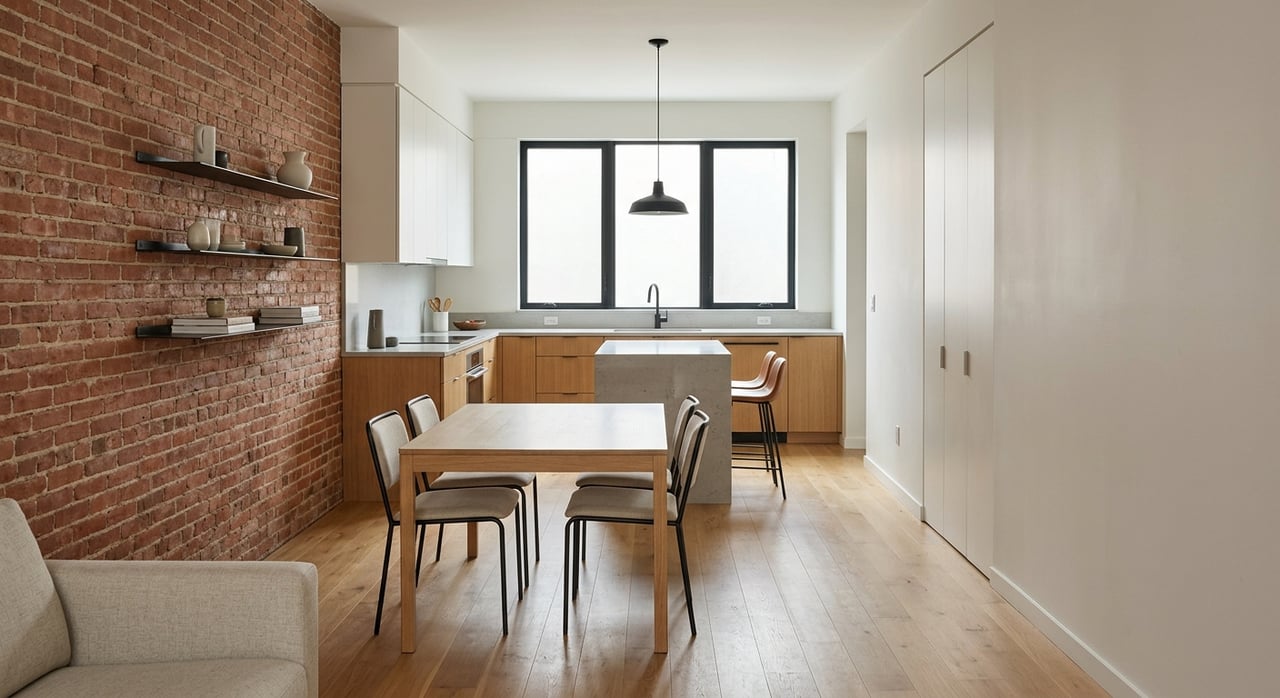
Thinking about knocking down a wall or rebuilding a rear addition in Bella Vista or Queen Village? In Philadelphia rowhouses, renovation decisions are rarely simple. These homes have character, history, and tight structural relationships with the houses next door. If you are planning updates before moving in or preparing to sell, it helps to understand how these homes are built, what approvals may apply, and which improvements tend to make the most sense. Let’s dive in.
Why rowhouse planning matters
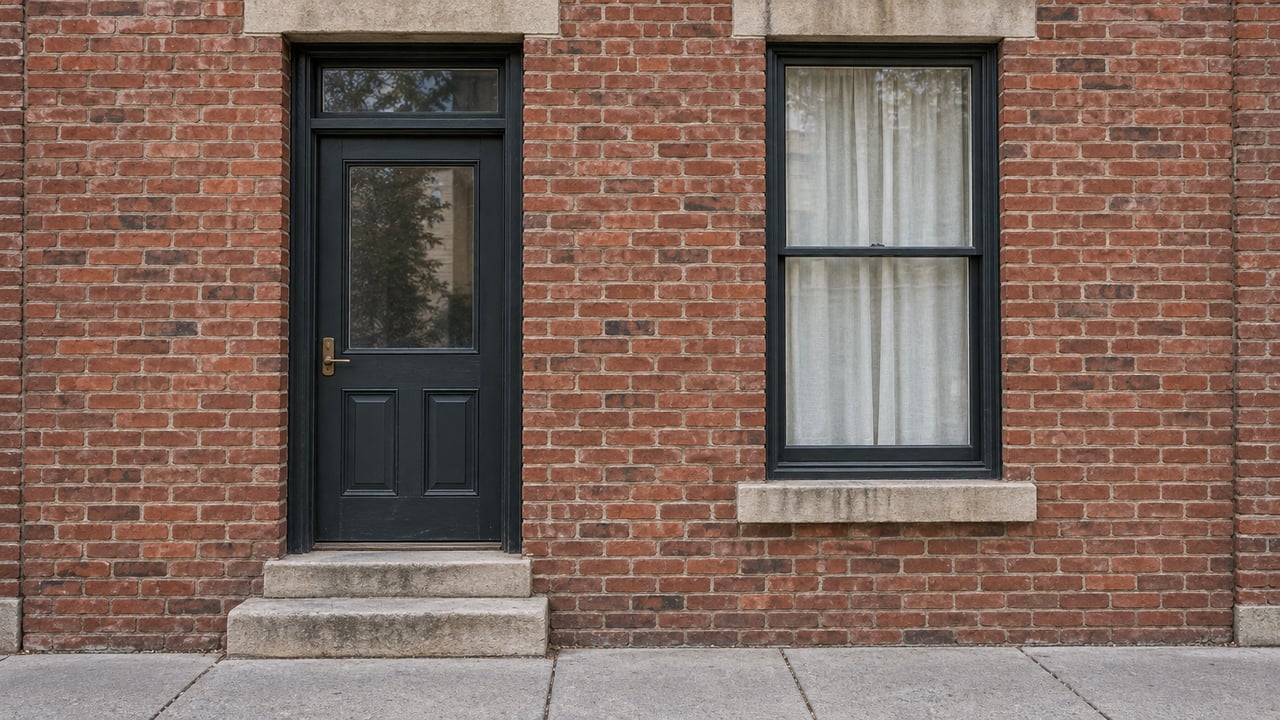
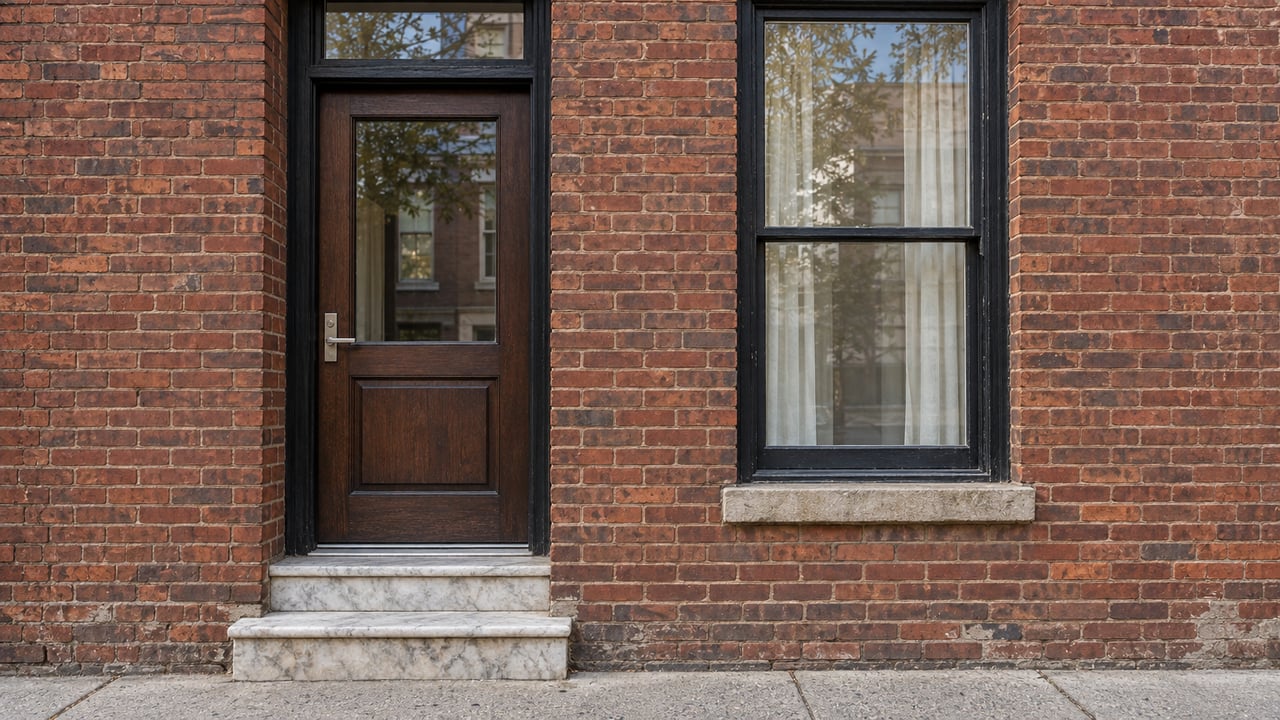
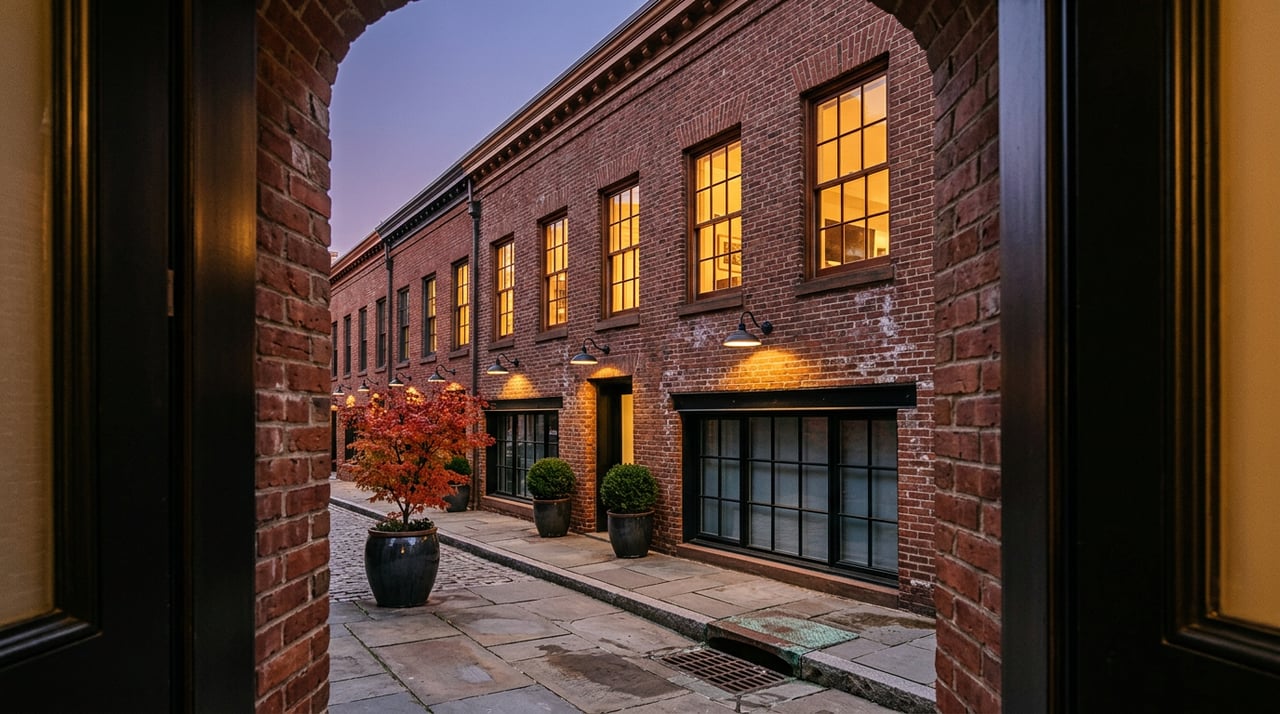
Bella Vista and Queen Village are classic Philadelphia rowhouse neighborhoods. Housing in these areas commonly includes narrow attached homes with shared party walls, compact footprints, and layouts that are more vertical than wide. According to the Encyclopedia of Greater Philadelphia’s rowhouse overview, Queen Village includes trinity houses, double trinitys, and larger Federal or Georgian townhouses, while Bella Vista is known for dense red-brick rowhouses from the mid-to-late nineteenth century.
That history shapes how renovation works today. Many homes have narrow stairs, smaller rooms, rear kitchen wings or additions, and storage that feels limited by modern standards. The city’s Philadelphia Rowhouse Manual notes that smaller historic rowhouses often used winder stairs, while later workingman’s houses commonly added vestibules, shallow closets, and indoor plumbing over time.
Start with the house you actually have
Before you sketch out an open kitchen or dream roof deck, take stock of the existing layout and structure. In these neighborhoods, what looks like a cosmetic project often touches framing, stairs, drainage, or the rear addition.
Older rowhouses were built as connected systems. Floor joists often run from party wall to party wall, which means one home’s structural issues can affect the next. The city’s rowhouse manual warns that basement flooding, structural failure, and improper excavation can create problems beyond your own property line.
Common layout challenges
Most renovation plans in Queen Village and Bella Vista are trying to solve a few familiar issues:
- Tight kitchens with limited prep and storage space
- Small or awkward bathrooms
- Outdated rear additions
- Choppy first-floor layouts
- Steep or narrow stairs
- Limited outdoor space
These are practical goals, but they need to be handled carefully in attached homes. A project that improves flow can also trigger structural review, code questions, or permit requirements.
Be careful before demo begins
It is easy to assume that removing a wall or digging out a basement is just the next step in a renovation. In a Philadelphia rowhouse, those moves deserve extra caution.
The Philadelphia Rowhouse Manual specifically warns against basement excavation without professional help because it can weaken the party wall. It also cautions against removing roof-support joists that help tie the structure together.
Projects that need extra scrutiny
If your renovation includes any of the following, plan for a more serious review process:
- Opening structural walls
- Basement dig-outs
- Party-wall modifications
- Rebuilding a rear addition
- Adding or expanding a roof deck
- Major stair reconfiguration
The city’s residential permitting guidance says structural work and projects over $25,000 generally require plans sealed by a design professional. It also flags basement dig-outs and party-wall work as projects with added requirements in the Philadelphia residential permitting presentation.
Permits often surprise homeowners
If you are renovating in Bella Vista or Queen Village, start with the assumption that permits will be part of the process. Even when the work seems straightforward, permit needs can expand once plumbing, electrical, framing, or exterior work enters the scope.
Philadelphia separates zoning from construction permitting. That distinction catches many owners off guard.
When a zoning permit may apply
Philadelphia notes that changes that do not alter area, height, floor area, or legal use often do not need zoning approval. But additions and other footprint-changing projects usually do. You can review the city’s zoning permit guidance before finalizing plans.
A roof deck is a common example. The rowhouse manual says roof decks require both zoning and building permits, so this should be treated as a full permit project, not a simple upgrade.
When construction permits may apply
Philadelphia’s guidance says most single-family renovations do not need plans unless the project is structural. But separate permits are generally required for electrical, plumbing, mechanical, and fire-suppression work, depending on scope. If you are changing framing, excavating a basement, or touching shared structural elements, the review path becomes more involved.
Because permit requirements can shift over time, it is smart to verify the current rules again if your timeline changes. The city has announced that updated code requirements are expected to take effect for projects filed after July 1, 2026, according to Licenses and Inspections information on code adoption timing.
Check historic status early
In these neighborhoods, historic review is one of the biggest early-stage questions. If your home is on the Philadelphia Register of Historic Places, exterior changes may require approval from the Historical Commission.
That usually matters for facades, roofs, windows, and other visible exterior features. The city notes that the commission’s main jurisdiction is over exterior elements, while interiors are reviewed only if they are individually designated. You can start by using the city’s historic property and district search tools and the city’s guide for approval for work to a historic property.
Why this matters for design
Historic status does not mean you cannot renovate. It does mean you should confirm the approval path before finalizing exterior plans, ordering materials, or setting a contractor schedule.
If you skip that step, you can lose time and money redesigning the project later. In older neighborhoods like Bella Vista and Queen Village, that early check is one of the smartest moves you can make.
Renovations that usually make sense
Not every improvement carries the same value, especially if you expect to sell in the near future. In neighborhoods where buyers already value location and architectural character, the best projects are often the ones that improve function, condition, and presentation without overpersonalizing the home.
In February 2026, Redfin reported a median sale price of $534,000 in Bella Vista and $607,250 in Queen Village, with both neighborhoods described as somewhat competitive. That suggests buyers here are often paying for neighborhood appeal, move-in readiness, and usable space, not just raw square footage.
Practical upgrades with broad appeal
Based on local housing stock, permitting realities, and national remodeling studies, these projects often make the most practical sense:
- Repair structural or water-related issues first
- Improve first-floor flow, especially around the kitchen
- Refresh kitchens with a minor or moderate scope rather than a highly custom overhaul
- Update bathrooms where function is lacking
- Rebuild failing rear additions thoughtfully
- Preserve original character where possible
- Add outdoor space only when the structure and approvals support it
National research supports this approach. The 2024 Cost vs. Value report from Zonda found stronger returns for practical, visible upgrades such as a minor kitchen remodel and entry improvements than for more expensive, highly personalized remodels.
What buyers often notice most
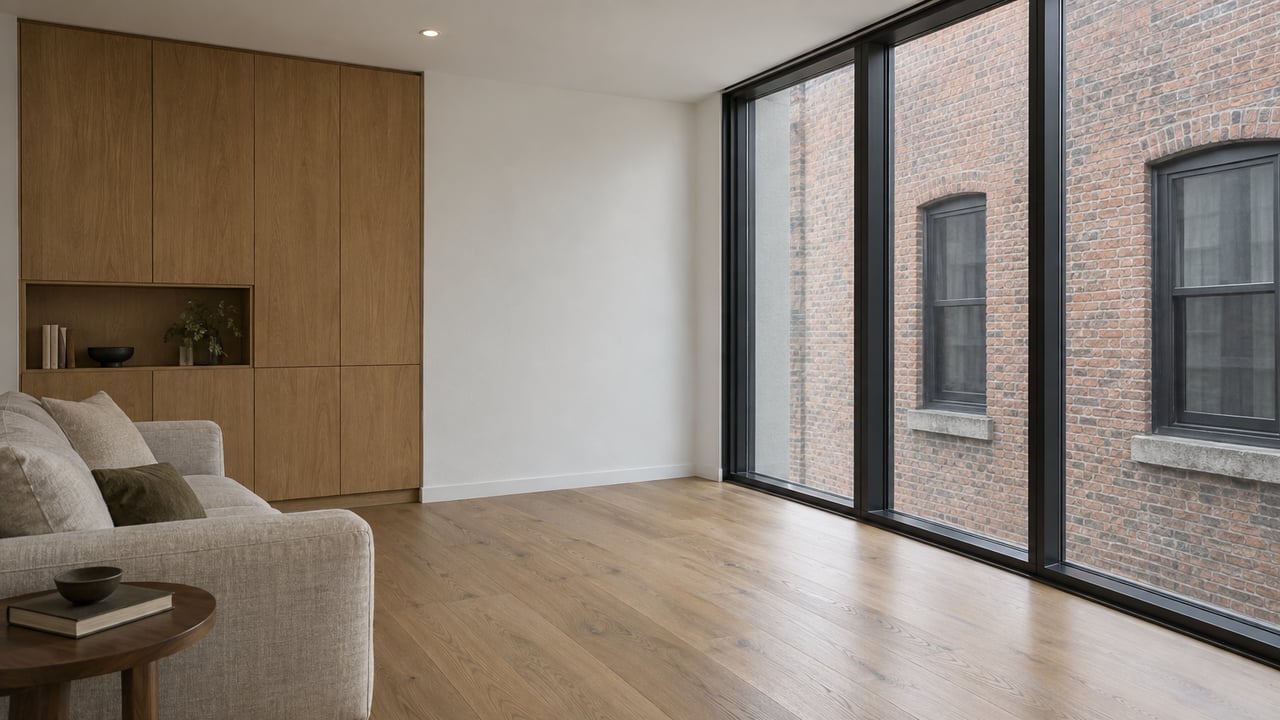
In a rowhouse, buyers tend to react strongly to flow, light, condition, and maintenance signals. A home does not have to be the largest on the block to stand out. It does need to feel well planned and well cared for.
That is why foundational work matters. If a basement shows moisture issues, a rear addition feels unstable, or a layout feels awkward in key living areas, buyers may see future cost instead of charm.
If you may sell soon
If resale is part of your renovation thinking, focus on improvements that make daily life easier for the next owner. In these neighborhoods, that often means:
- A more functional kitchen
- Better bathroom usability
- Clean, finished surfaces
- Reliable roofing and drainage
- Strong exterior presentation
- A layout that feels intuitive
This is also where strategic project management matters. The best renovation plans balance design goals with budget, timeline, permit complexity, and likely buyer expectations.
Build your renovation plan in the right order
A rowhouse renovation usually goes more smoothly when you sequence the decision-making well. Rather than starting with finishes, start with risk, approvals, and structure.
A smart planning checklist
- Evaluate the layout and identify the real pain points.
- Confirm whether the work is cosmetic, structural, or footprint-changing.
- Check whether the property is historically designated.
- Review zoning and permit requirements before finalizing design.
- Get professional input for basement, wall, roof, or party-wall work.
- Prioritize repairs and functional upgrades before luxury finishes.
- Match your renovation budget to your long-term plans for the home.
If you are renovating before a sale, it also helps to think through which updates are likely to improve marketability versus which ones may be hard to recover at resale.
Local guidance can save you money
In Bella Vista and Queen Village, renovation choices are never just about style. They are about understanding the rowhouse itself, the rules that apply to the property, and the market you may eventually sell into.
When you plan carefully, you can avoid the common traps that slow projects down, from permit surprises to overbuilding for the block. And if you are making renovation decisions with resale in mind, local market perspective can be just as important as contractor pricing.
If you are weighing whether to renovate before listing, buy a home that needs work, or decide which updates are worth the investment, The Eric Fox Team can help you think through the local market, timing, and property-specific strategy.
FAQs
How do I know if my Bella Vista or Queen Village rowhouse is historic?
- You can check the city’s historic property and district search tools to see whether the property is listed or located in a historic district.
Do I need an architect or engineer for an open-concept rowhouse renovation in Philadelphia?
- If the project includes structural work or costs more than $25,000, Philadelphia says plans generally must be sealed by a design professional, according to the city’s residential permitting guidance.
Do roof decks on Philadelphia rowhouses need permits?
- Yes. The city’s rowhouse manual states that roof decks require zoning and building permits.
Which renovations usually help resale most in Bella Vista and Queen Village?
- Practical upgrades such as fixing structural or water issues, improving kitchen function, refreshing baths, and maintaining strong exterior condition often make more sense than highly customized remodels, based on local market context and the 2024 Cost vs. Value report.
Do basement dig-outs in Philadelphia rowhouses need extra review?
- Yes. Philadelphia flags basement dig-outs as work with added permitting requirements, and the city’s rowhouse manual warns that excavation can weaken party walls if not handled professionally.