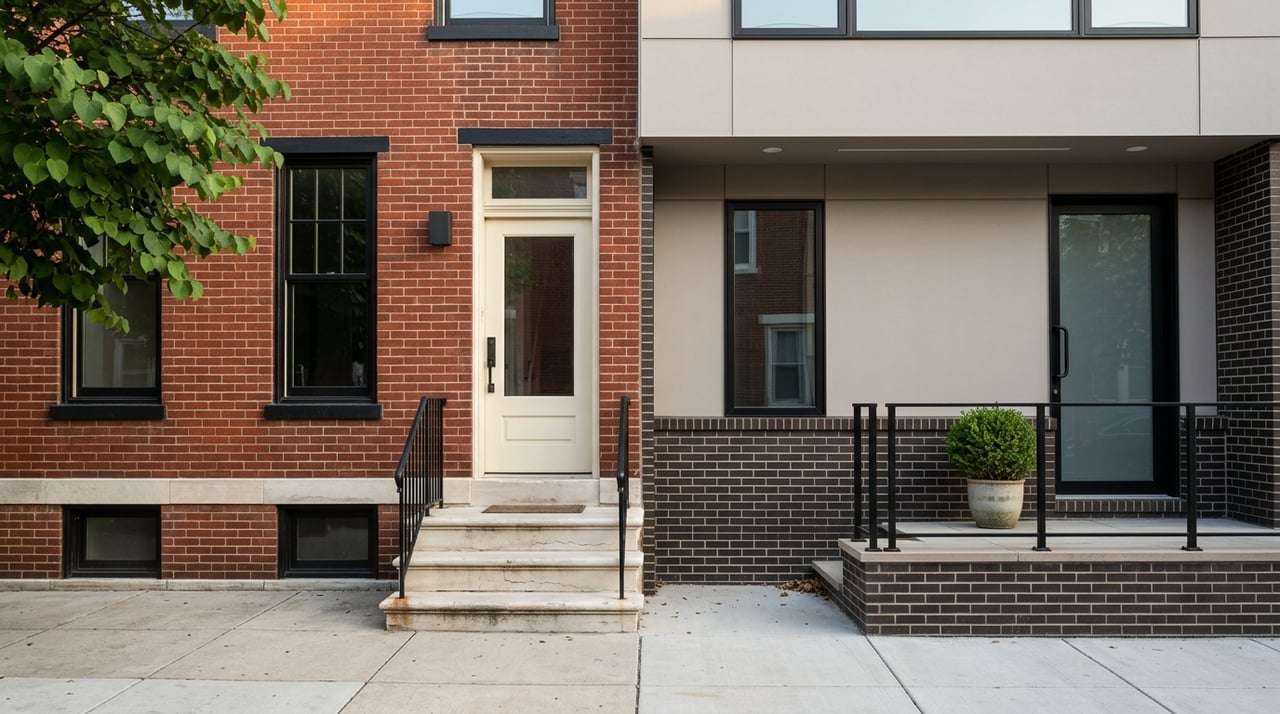
Trying to choose between a brand-new home and a restored rowhome in Point Breeze? You are not alone. This is one of the most common buyer decisions in a neighborhood where classic red-brick homes and newer development often share the same block. If you are weighing price, maintenance, tax benefits, and long-term value, this guide will help you compare both options with more confidence. Let’s dive in.
Point Breeze Housing Mix
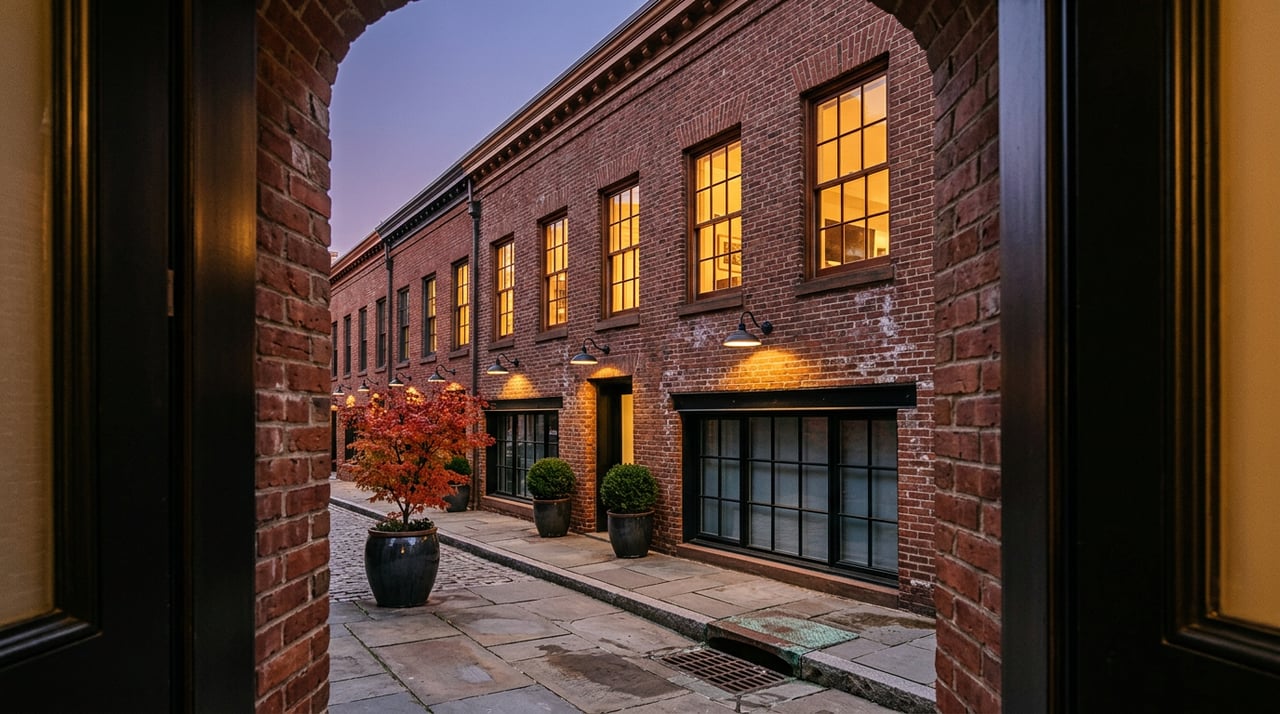
Point Breeze is a heavily residential South Philadelphia neighborhood where older rowhomes and newer construction coexist. That mix is part of what makes the decision here more nuanced than it might be in a more uniform market.
Pricing also spans a wide range. Neighborhood-wide benchmarks cluster around the low-to-mid $300,000s, with reported figures including an average home value near $293,046, median sale prices around $322,891 to $330,000, and a median listing price near $357,000. In a rowhome-heavy neighborhood like Point Breeze, those broad numbers are useful, but they do not tell the whole story.
Most buyers here are really comparing one rowhome type against another. Homes.com reports a median townhouse sale price of $325,000 in Point Breeze, which is a helpful reference point when you start comparing restored homes with newer builds.
New Construction in Point Breeze
New construction rowhomes in Point Breeze are generally priced well above the neighborhood median. Current active examples have been marketed from just above $500,000 to nearly $900,000, with several listings in the mid-$500,000s to low-$700,000s.
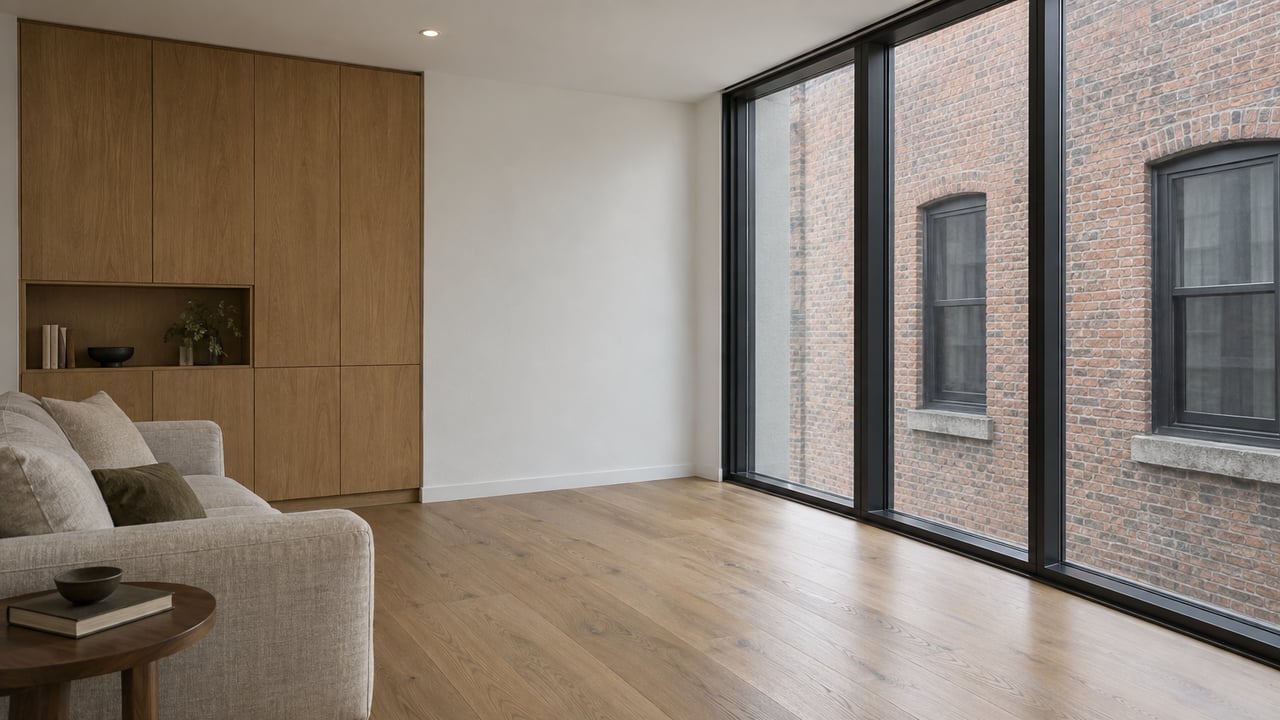
That higher price often reflects a very specific package of features. Listing descriptions commonly highlight open layouts, quartz countertops, wide-plank hardwood floors, custom millwork, LED lighting, roof decks, and private or garage parking.
For many buyers, the biggest draw is not just the finishes. It is the greater predictability that often comes with a new home. Newer systems can mean fewer immediate repair needs and a clearer sense of your first few years of ownership costs.
What New Construction Usually Offers
If you are considering a newer home, these are some of the main advantages buyers tend to value:
- Newer mechanical systems
- Lower near-term maintenance risk
- Modern layouts and finishes
- Common amenities like roof decks and parking
- Potential access to Philadelphia’s 10-year residential tax abatement
That tax abatement can be especially important in the monthly cost equation. According to Philadelphia’s Office of Property Assessment, the residential new-construction abatement lasts 10 years and begins the first month after the title date. The city also notes that homes receiving the 10-year residential tax abatement are not eligible for the Homestead Exemption during the abatement period.
What Buyers Should Verify
Not every home that looks new is truly ground-up new construction. Some homes are newer renovations, and some may have only part of the original tax benefit remaining.
That is why it is smart to verify the property’s actual tax-abatement status at the parcel level. In Point Breeze, at least one listing has advertised about seven years remaining on the abatement, which shows why buyers should confirm the details rather than rely on broad marketing language.
Restored Rowhomes in Point Breeze
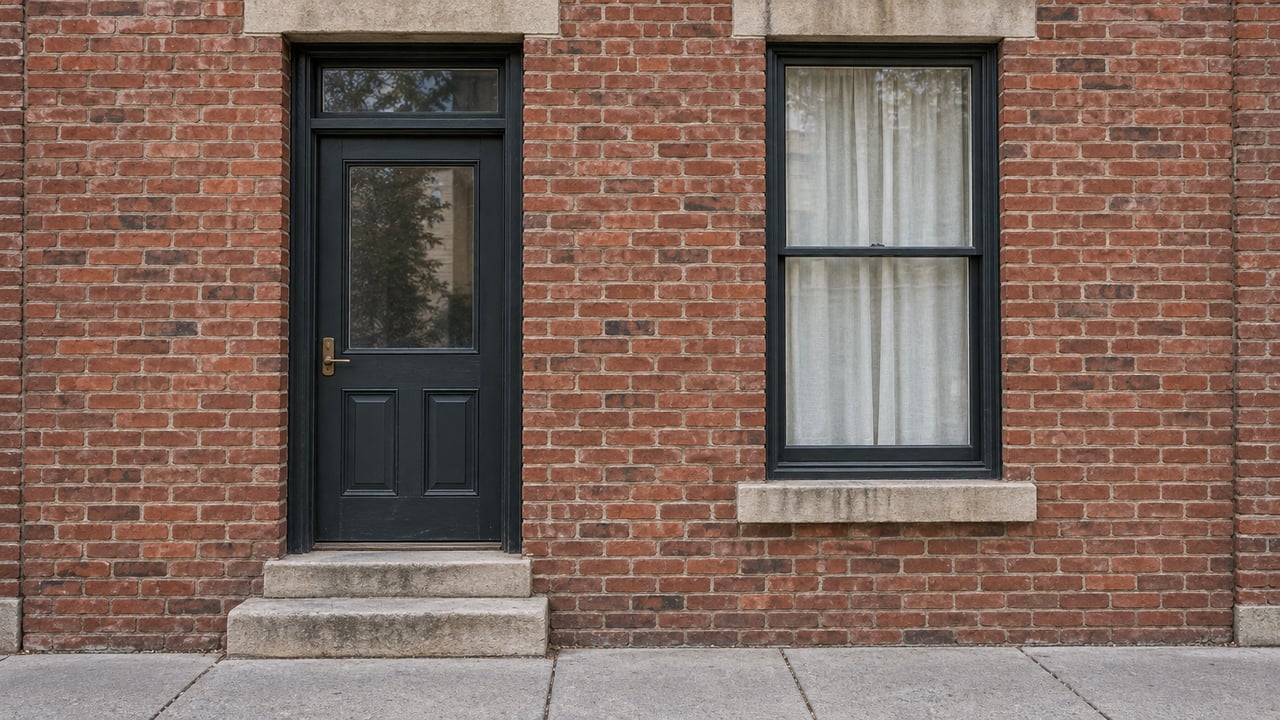
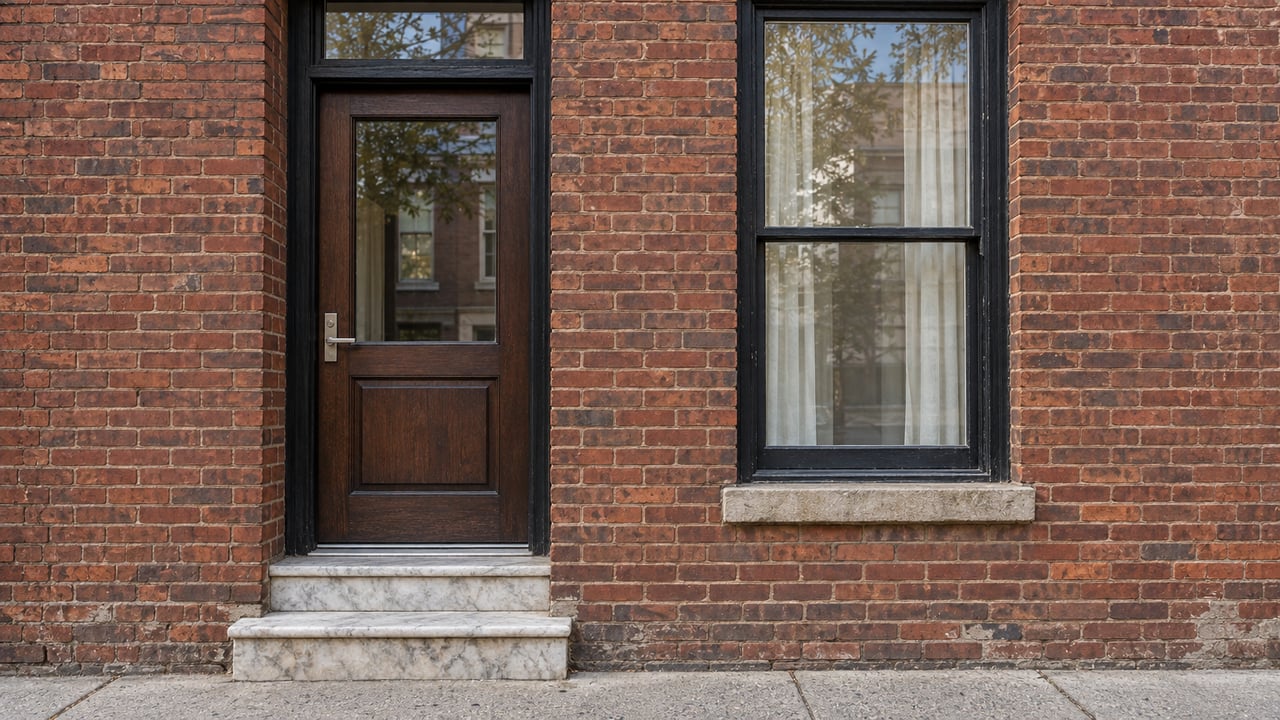
Restored rowhomes offer a very different kind of appeal. In a city shaped by rowhouse living, these homes can blend original structure and character with newer kitchens, baths, and finishes.
In Point Breeze, restored homes span a much wider price range than many buyers expect. Current examples range from around $205,000 for a fixer to the high $200,000s and low $300,000s for more modest renovations, up through the $400,000s and $500,000s for polished rehabs, with some luxury renovations reaching much higher.
That wide spread matters because restored rowhomes are not one single product category. A lower-priced updated home may look move-in ready but still have older systems, while a more comprehensive renovation may offer a very different level of work and finish.
What Restored Homes Often Offer
Buyers are often drawn to restored rowhomes for a few key reasons:
- Lower entry price compared with many new-construction homes
- More architectural character and individuality
- Original brick facades or older shells with updated interiors
- A wider range of price points and finish levels
Many Point Breeze listings in this category mention exposed brick, granite or quartz counters, open layouts, and updated kitchens and baths. If you want a home with more personality than a standard builder finish, a restored rowhome can be a strong fit.
The Real Tradeoff: Character Versus Predictability
The biggest decision is usually not old versus new in a simple sense. It is whether you value character and a potentially lower entry cost more than you value predictability and lower maintenance risk.
New construction often gives you a clearer idea of what to expect in the short term. Restored rowhomes may offer more charm or a better price point, but they usually require more careful inspection and a little more comfort with unknowns.
In Point Breeze, both paths can make sense. The better option depends on your budget, your tolerance for repairs, and how long you plan to own the home.
Maintenance Matters More Than Finishes
This is where buyers can get tripped up. A stylish kitchen or fresh paint does not tell you everything you need to know about a house.
Philadelphia’s Rowhouse Manual notes that most rowhouse maintenance problems start on the exterior, and it identifies the roof as the most vulnerable part of the home. The manual also recommends paying close attention to masonry joints, water staining, exposed wood rot, gutters, downspouts, chimney caps, and flashing.
That guidance matters whether you are buying an older restored home or a newer one with outdoor features. The same manual points out that a roof deck does not waterproof the house. The roofing system still has to do that job.
Key Due-Diligence Items for Restored Rowhomes
If you are buying a restored rowhome, look closely at more than surface-level upgrades. A strong inspection strategy should focus on:
- Roof condition
- Masonry and pointing
- Signs of water intrusion
- Plumbing and electrical updates
- Gutter and downspout function
- Window and flashing details
Listing terms like renovated, updated, turnkey, or move-in ready may describe appearance more than infrastructure. They do not automatically mean the roof, masonry, plumbing, or electrical systems were fully replaced.
Older Homes and Lead Risk
Older housing stock brings another important layer of due diligence. The EPA states that homes built before 1978 are more likely to contain lead-based paint, and homes built before 1986 are more likely to have lead pipes, fixtures, and solder.
In Point Breeze, that makes disclosures, inspections, and lead-safe renovation practices especially relevant when you are considering an older rowhome. This does not mean every older home has the same issue level, but it does mean you should treat the question seriously during your review period.
Point Breeze Is a Block-by-Block Market
One of the most important things to understand about Point Breeze is that neighborhood averages only go so far. It is a changing, heavily residential area with a mix of older buildings, newer infill development, and different levels of finish from one block to the next.
That means resale potential is often very local. A well-finished home on one block may perform differently from a similar-looking home just a few streets away, so nearby comparable sales matter more than broad neighborhood headlines.
For buyers, this is where local guidance becomes especially valuable. You want to compare homes not just by bedroom count or finish package, but by exact location, renovation quality, system age, and carrying costs.
Which Option Fits Your Goals?
If you are trying to narrow the choice, this simple framework can help.
New Construction May Fit You Better If
- You want newer systems and fewer immediate repairs
- You prefer modern layouts and finishes
- You value amenities like parking or a roof deck
- You want more predictable short-term ownership costs
- You are evaluating the value of remaining tax abatement
Restored Rowhomes May Fit You Better If
- You want a lower purchase price than many new builds
- You like the character of older Philadelphia housing
- You are comfortable with more detailed inspections
- You are open to maintenance tradeoffs for style or price
- You want more variety in home types and finish levels
In Point Breeze, the right answer is often less about category and more about the specific house. The block, the quality of work, and the long-term cost picture usually matter more than whether the listing is labeled new or restored.
If you are comparing homes in Point Breeze and want help sorting through the tradeoffs, The Eric Fox Team can help you evaluate value, condition, and resale potential with a neighborhood-level strategy.
FAQs
What is the typical price difference between new construction and restored rowhomes in Point Breeze?
- New construction rowhomes in Point Breeze are often listed above $500,000, while restored rowhomes can range from around $205,000 for a fixer to the $400,000s and $500,000s for more polished renovations.
What should buyers verify about a Point Breeze new-construction home?
- You should verify whether the home is truly ground-up new construction, confirm the exact tax-abatement status, and check how many years remain if the abatement is already in place.
What are the biggest maintenance concerns with restored rowhomes in Point Breeze?
- Key concerns include the roof, masonry joints, water intrusion, flashing, gutters, downspouts, and whether major systems like plumbing and electrical were fully updated.
Does a roof deck make a Point Breeze rowhome more maintenance-free?
- No. Philadelphia’s Rowhouse Manual notes that a roof deck does not waterproof the house, so the underlying roofing system still needs to be evaluated carefully.
Why is lead a consideration in older Point Breeze rowhomes?
- Homes built before 1978 are more likely to have lead-based paint, and homes built before 1986 are more likely to have lead pipes, fixtures, and solder, so inspections and disclosures are especially important.
How should buyers compare Point Breeze homes for resale potential?
- You should compare nearby sales, exact block location, finish quality, system age, and long-term carrying costs rather than relying only on neighborhood-wide average prices.