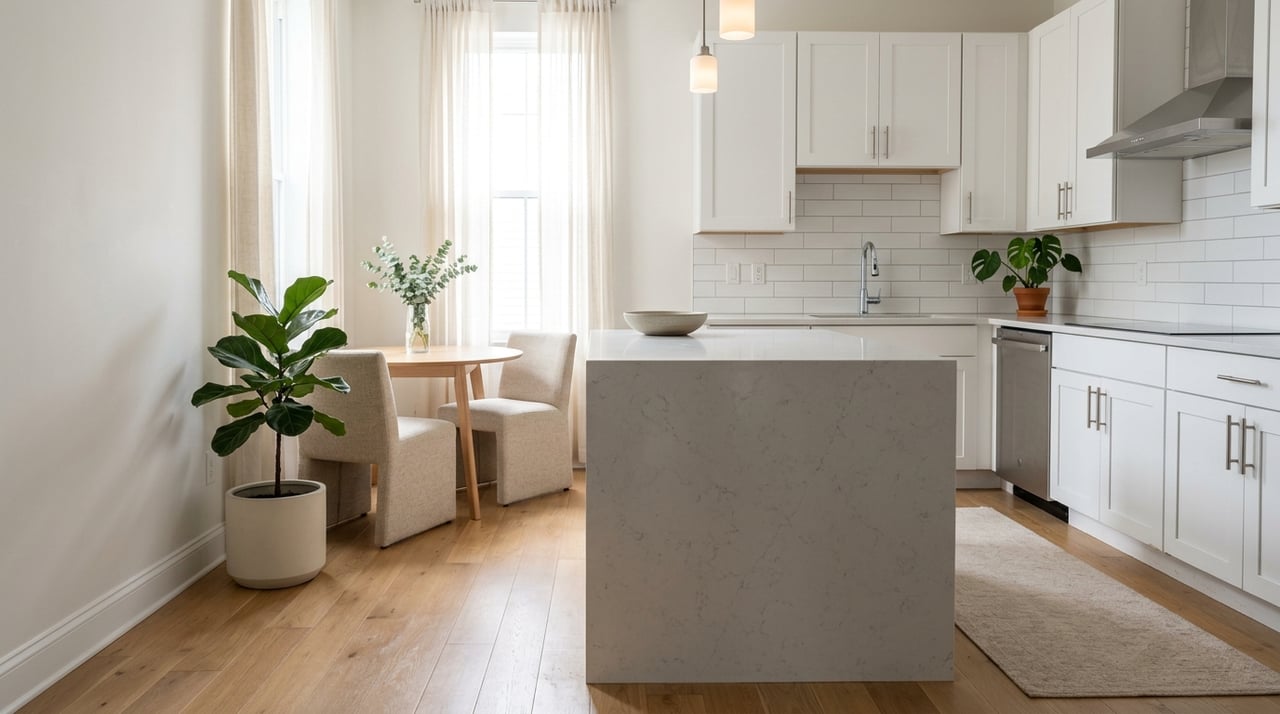
Selling in Passyunk Square is not just about putting your home on the market. It is about making sure buyers feel the appeal of your block, your rowhome, and your home’s best features the moment they see it. In a neighborhood known for its historic streetscape, walkability, and strong local business corridor, smart prep can help your listing stand out. This guide will show you where to focus your time, money, and energy before you go live. Let’s dive in.
Why prep matters in Passyunk Square
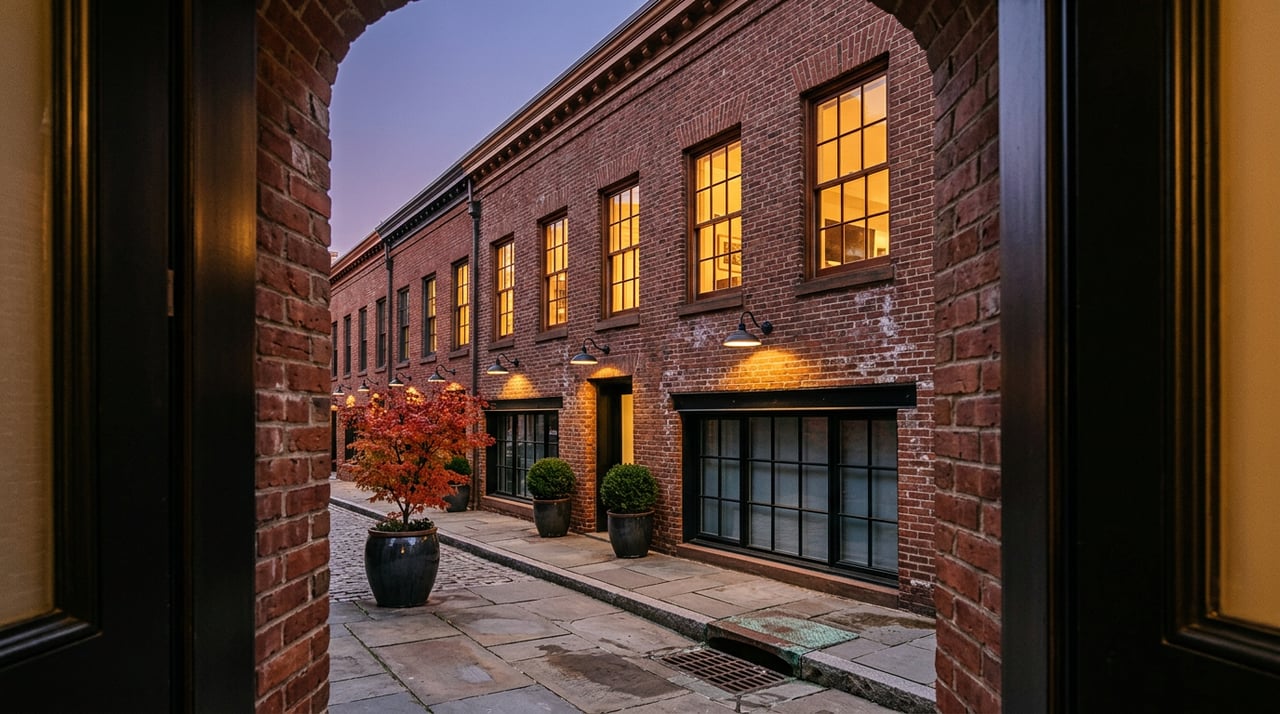
Passyunk Square has a distinct local identity. The neighborhood is generally bounded by Broad Street to 6th Street and Washington Avenue to Tasker Street, and it is known for historic character and active commercial corridors. The nearby East Passyunk area is widely recognized for its walkability and large concentration of independently owned restaurants and shops, which helps shape buyer expectations.
That context matters when you sell. Buyers are not only evaluating square footage and finishes. They are also reacting to curb appeal, the feel of the block, and how well your home fits the neighborhood’s character.
Spring 2026 market snapshots point to a market where preparation still matters. Reported figures vary by source, with median price and timing metrics landing in a range from roughly the low $400,000s to the mid $500,000s depending on whether the source measured sales, listings, or value estimates. Even with some variation, the overall signal is consistent: Passyunk Square remains active enough that polished, well-priced homes can gain an edge.
Focus on the details buyers notice first
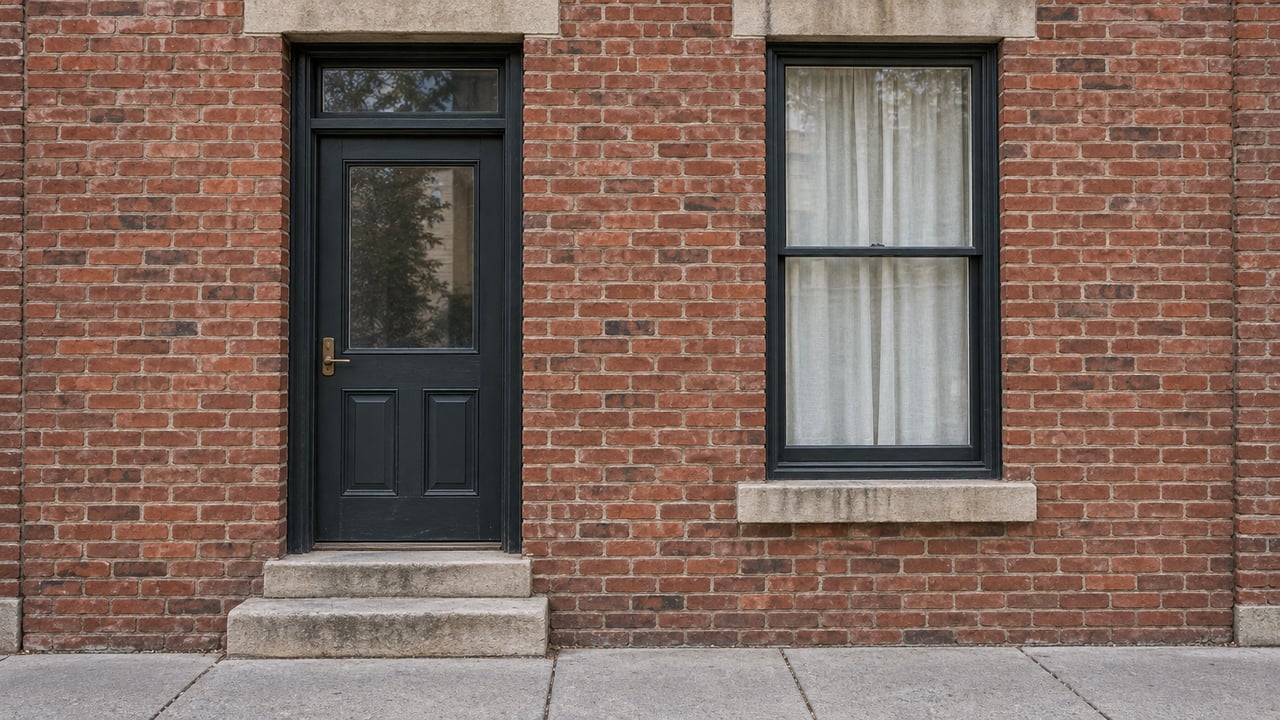
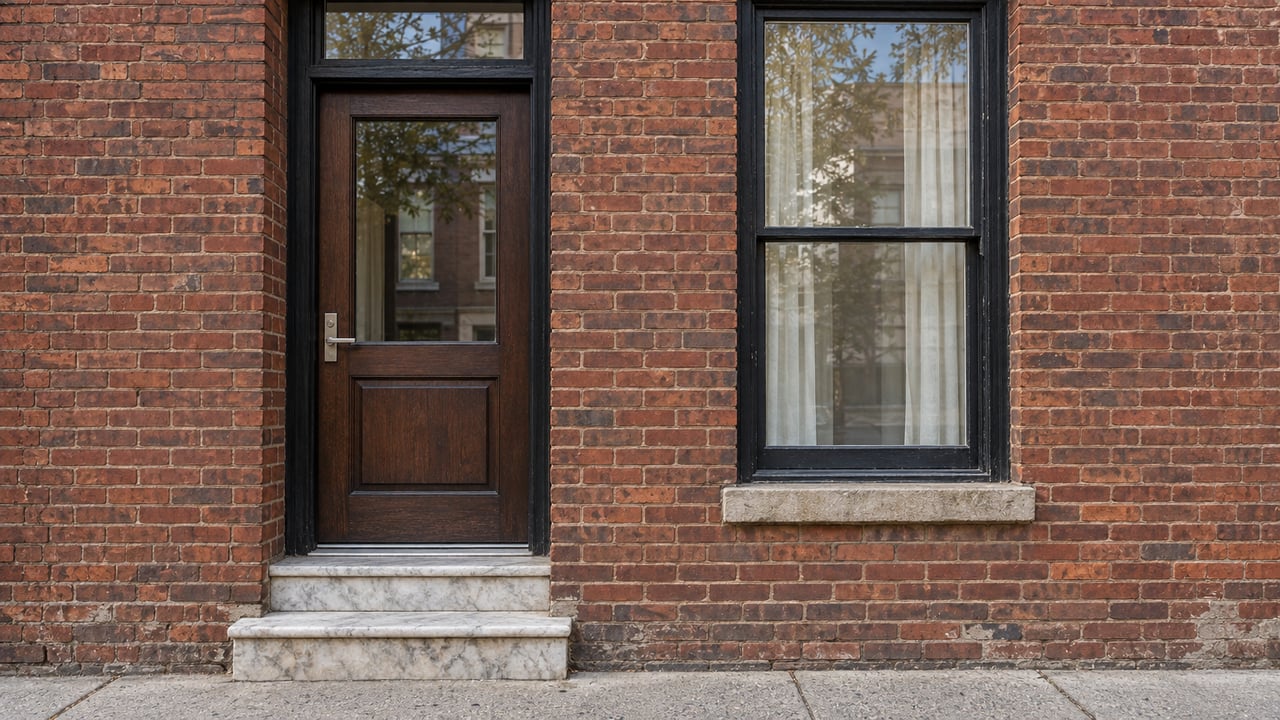
In Philadelphia, the rowhouse exterior carries real weight. The City’s rowhouse guidance notes that fronts, porches, windows, and rooflines contribute to both comfort and visual appeal. In a neighborhood like Passyunk Square, that means the outside of your home is part of the value story, not just an afterthought.
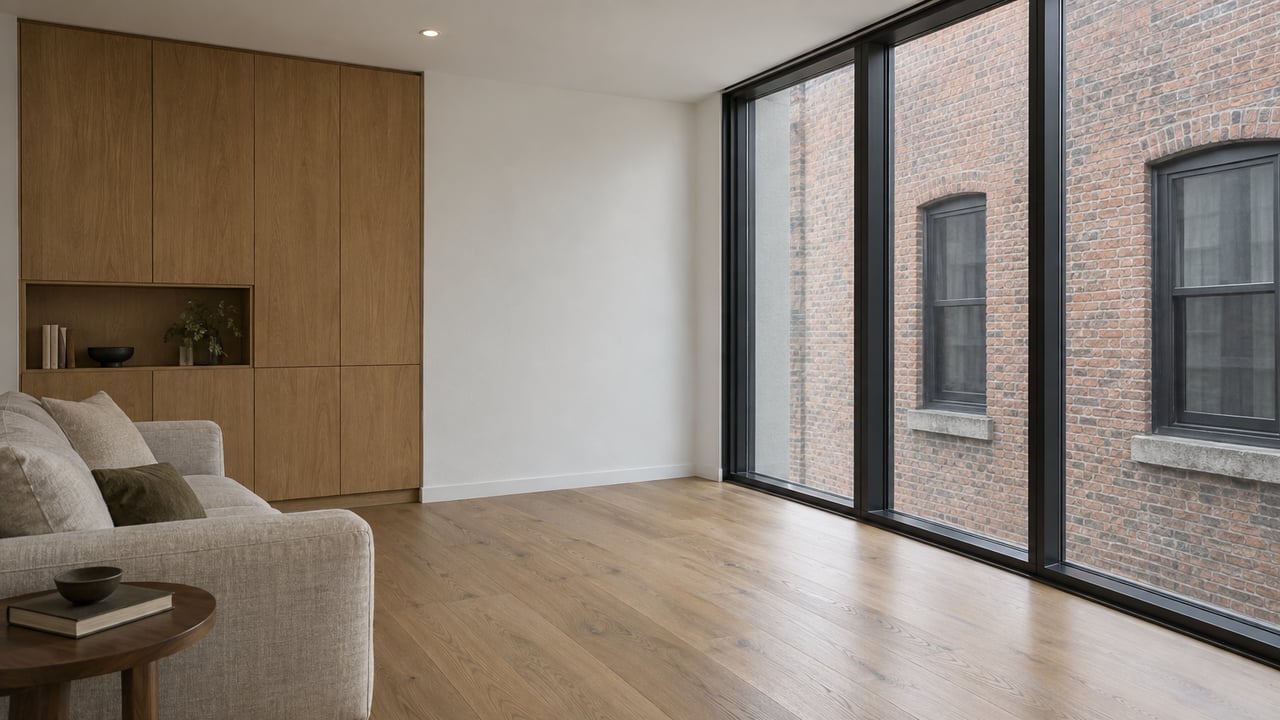
Inside, staging and presentation can strongly shape buyer response. According to the 2025 National Association of Realtors staging report, 83% of buyers’ agents said staging makes it easier for buyers to picture a property as their future home. The same report found that living rooms, primary bedrooms, and kitchens are among the most important spaces to stage.
For most sellers, that means a clean and polished presentation is worth the effort. The same research found that decluttering, entire-home cleaning, and curb appeal improvements were among the most common recommendations agents made before listing.
Start with low-disruption updates
If you are deciding where to invest before listing, the safest choice is usually a focused cosmetic plan. In Passyunk Square, that often means fresh paint, detailed cleaning, minor repairs, better lighting, and removing excess furniture or personal items. These changes tend to improve presentation without creating long project timelines.
This approach also fits Philadelphia housing stock. The City’s rowhouse manual notes that kitchens and bathrooms cost more per square foot than other rooms, but they do not need to be oversized or extravagant to feel functional and appealing. Durable, easy-to-clean finishes and simple, classic fixtures often do the job.
That is good news if you want to prepare strategically. You do not have to gut your kitchen or fully renovate a bath to make buyers feel confident about the home.
Smart kitchen refresh ideas
A modest kitchen refresh can go a long way before listing. National remodeling research in 2025 showed strong consumer appeal for kitchen upgrades, which supports targeted updates over full reconstruction.
Consider improvements like:
- Replacing dated cabinet hardware
- Swapping in updated faucets
- Repairing stained or cracked grout
- Adding brighter, cleaner lighting
- Painting walls in a neutral tone
- Deep cleaning all visible surfaces and appliances
The goal is simple. You want the kitchen to feel bright, functional, and easy for a buyer to move into.
Bathroom updates with visible payoff
Bathrooms often benefit from the same restrained approach. Clean finishes, fresh caulk, working fixtures, and strong lighting can make a small bathroom feel much more inviting.
Philadelphia’s rowhouse guidance supports practical, durable finishes over flashy ones. If your bathroom is dated but serviceable, a careful refresh is usually more defensible than an expensive, time-consuming remodel right before listing.
Curb appeal matters more than you think
In a dense rowhouse neighborhood, buyers often form their first opinion from the sidewalk. That makes curb appeal one of the most important parts of your prep plan. National outdoor-features research found that 97% of real estate professionals believe curb appeal matters in attracting buyers.
Philadelphia’s rowhouse manual offers practical advice that fits Passyunk Square well. Keeping porch and stoop wood painted, fixing loose railings or steps, and making sure exterior lighting works are all meaningful improvements. These are not glamorous projects, but they can make your home look cared for from the start.
Small details matter here because the neighborhood streetscape matters. Passyunk Square’s civic association highlights local tree plantings and parks, with more than 1,000 trees in the area, so your exterior presentation becomes part of a broader block-by-block impression.
Window care can be part of the value story
If your home has original windows, do not assume replacement is your best move before listing. The City notes that repairable original windows are often worth restoring, and weatherstripping can help reduce drafts at a relatively low cost.
For many Passyunk Square sellers, careful maintenance and touch-ups make more sense than rushing into replacement. That can preserve character while still improving function and buyer perception.
Know which projects can trigger approvals
One of the easiest ways to lose time before listing is to start work without understanding local rules. In Philadelphia, many light-touch projects in non-historic one- or two-family homes do not require a building permit. Painting, papering, cabinets and countertops, point masonry, and some window and door replacements may fall into that category.
Other projects may qualify for permit-without-plans treatment, including some exterior window and door replacements with no size change, roof covering replacement, masonry facade replacement, and wall covering replacement. Even so, it is smart to confirm your scope before work begins.
Historic status changes the picture significantly. If your property is on the Philadelphia Register of Historic Places, work affecting facades, roofs, windows, doors, porches, steps, stoops, masonry, and other exterior features may require Historical Commission review.
That review can also extend to masonry cleaning, painting, pointing, repair, replacement, or removal. If your home has historic status, build extra time into your prep timeline and avoid assumptions.
Skip oversized pre-listing projects
Bigger projects are not always better, especially right before a sale. The City’s rowhouse guidance notes that roof decks require zoning and building permits, and it also points out that a deck does not waterproof the home.
For most sellers, large additions or structural projects are poor pre-listing choices unless they solve a clear market problem. They add cost, delay, and approval complexity at a moment when speed and presentation usually matter more.
Choose contractors carefully
The right project list only works if the right people handle it. Philadelphia requires certain contractors, including plumbers and electricians, to hold the proper city trade licenses. Other contractors generally need either a Philadelphia contractor license or, for work on existing one- or two-family homes, a registered Pennsylvania Home Improvement Contractor registration plus a Philadelphia Commercial Activity License.
That is one reason seller preparation benefits from hands-on project management. Verifying licenses before work starts can help you avoid delays and reduce stress during an already busy moving timeline.
Condo sellers need an earlier start
If you are selling a condo in Passyunk Square, your prep plan should include documents as well as physical updates. Under Pennsylvania’s Uniform Condominium Act, sellers must provide the buyer with the declaration, bylaws, rules or regulations, and a resale certificate before contract execution or conveyance.
That resale certificate must include important items such as common-expense assessments, unpaid assessments, other fees, proposed capital expenditures, reserves, financial statements, the operating budget, judgments, pending suits, insurance coverage, and known alteration or violation issues.
Timing is important. The association has 10 days to provide the certificate and supporting documents after the owner requests them. Because the buyer can void the contract until the certificate is delivered and for five days afterward, or until conveyance, it makes sense to request the package early and review it before your listing goes live.
A practical prep plan for Passyunk Square sellers
If you want a simple framework, focus on a disciplined sequence instead of a scattered to-do list. In this neighborhood, the strongest prep strategy is usually about presentation, not major reconstruction.
A practical order often looks like this:
- Declutter and remove nonessential items
- Complete a full professional-level cleaning
- Tackle minor repairs and touch-ups
- Refresh paint, lighting, and visible hardware
- Improve curb appeal at the front entry
- Stage key rooms, especially the living room, primary bedroom, and kitchen
- Confirm permit or historic-review requirements before exterior work
- Gather condo documents early if applicable
This kind of plan aligns with both local housing stock and current buyer behavior. It helps your home show well, photograph well, and come to market with fewer loose ends.
Strategic prep can create leverage
In a neighborhood as recognizable as Passyunk Square, buyers notice when a home feels thoughtfully prepared. They notice clean lines, brighter rooms, a well-kept stoop, and a kitchen or bath that feels refreshed instead of neglected. Those details can support stronger first impressions and help your pricing strategy hold up.
The good news is that you usually do not need a massive renovation to get there. A smart, controlled prep plan that respects Philadelphia rules and your home’s character is often the best path to a smoother sale.
If you are thinking about selling and want a tailored plan for your home, The Eric Fox Team can help you map out the right prep, timing, and launch strategy for Passyunk Square.
FAQs
What prep work adds the most value before selling a Passyunk Square home?
- The most defensible pre-listing work is usually decluttering, deep cleaning, minor repairs, fresh paint, improved lighting, staging, and curb appeal updates rather than a major remodel.
Do Philadelphia permits matter for Passyunk Square pre-listing projects?
- Yes. Many light cosmetic projects may not require a permit in a non-historic one- or two-family home, but some repairs and exterior work may still require permits or permit-without-plans treatment.
Do historic rules affect exterior updates for Passyunk Square homes?
- Yes. If a home is on the Philadelphia Register of Historic Places, exterior changes such as work on windows, doors, roofs, porches, stoops, masonry, and facades may require Historical Commission review.
Should you replace original windows before selling a Passyunk Square rowhome?
- Not always. Philadelphia guidance notes that repairable original windows are often worth restoring, and weatherstripping can be a simple, lower-cost way to improve comfort and function.
What documents do Passyunk Square condo sellers need before listing?
- Condo sellers should request the declaration, bylaws, rules or regulations, and resale certificate early, since Pennsylvania law requires these documents before contract execution or conveyance and the association has up to 10 days to provide the certificate.