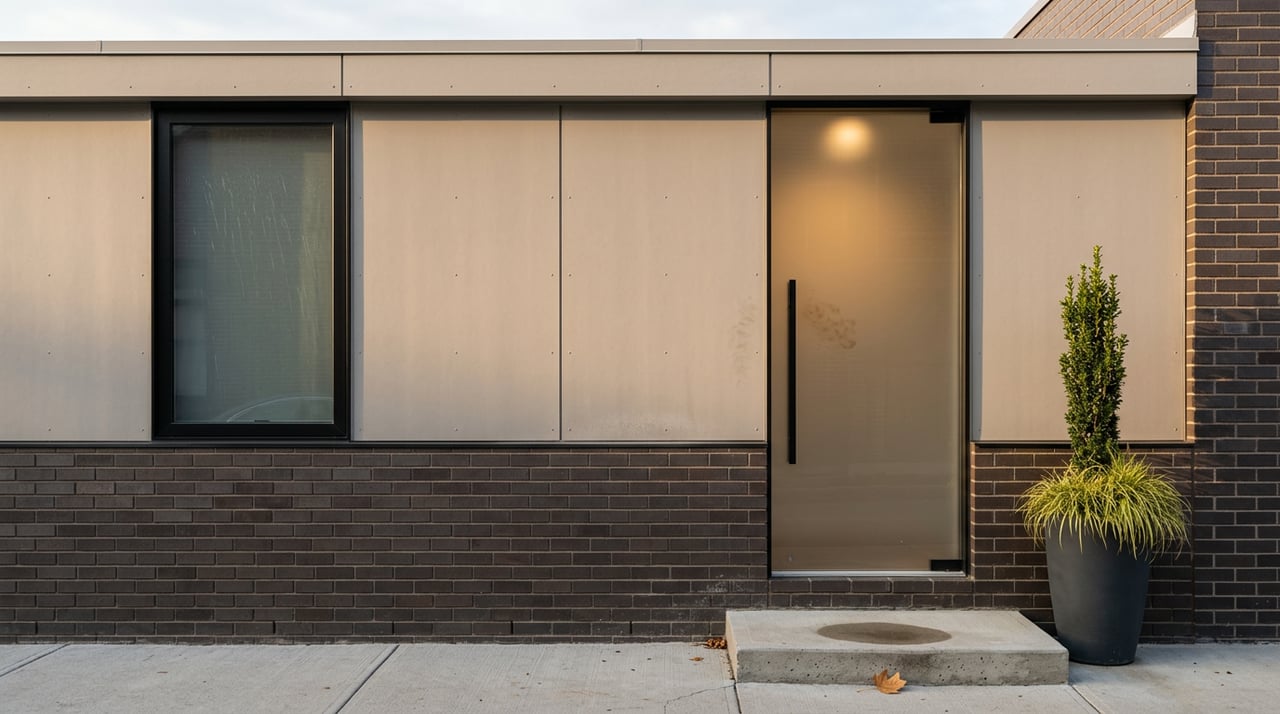
Two homes go up for sale on the same block in Passyunk Square this fall. Both are new construction. Both list for $499,000, which happens to be the median asking price for new construction in the neighborhood right now. Both have the words "10-year tax abatement" printed somewhere in the listing description. A buyer touring both on a Saturday afternoon would have no reason to think one comes with a materially bigger tax bill than the other.
They might be wrong. And the difference has nothing to do with square footage, finishes, or the builder. It comes down to a date stamped on a permit application that most buyers never ask to see.
The abatement is not one feature. It's two different countdown clocks
Philadelphia's residential tax abatement changed in a way that split new construction into two categories, and the split has nothing to do with when a home was finished or listed. It depends on when the building permit was issued.
According to Flagstone's Philadelphia tax abatement guide, any property that pulled its permit before January 1, 2022 still runs on the old rules: a full 100% abatement on the assessed value of the improvement for all ten years. Anything permitted on or after that date runs on a declining schedule instead. The first year is still fully abated, but every year after that the exemption shrinks by ten percentage points. By year ten, only 10% of the improvement value is sheltered from tax, and the abatement disappears entirely after that.
This matters in Passyunk Square specifically because the neighborhood has real, active new-construction inventory that spans both eras. Developments like Passyunk Crest have listed multiple units over the past couple of years, and at least one recent unit listing there advertises a full 10-year abatement as a selling point, which tells you the builder and listing agent both know it is a differentiator worth calling out. Not every new build in the pipeline can say the same thing.
Why the math changes by permit date, not by the "new construction" label
A three-story new build on a street like Tasker or Gerritt that just hit the market this year could have pulled its permit two or three years ago while it sat in the pipeline. If that permit predates 2022, the buyer inherits a full 100% abatement for the remaining years. If it postdates 2022, some of the declining schedule may have already burned off before the buyer even closes.
Here's what the difference looks like using the current city and school tax rate of 1.3998%, as confirmed by the City of Philadelphia, applied to a hypothetical $450,000 improvement value, which is a reasonable stand-in for the improvement portion of a home in Passyunk Square's current price range:
| Year of abatement | Share abated | Estimated taxable improvement value | Estimated annual tax on improvement |
|---|---|---|---|
| Year 1 | 100% | $0 | $0 |
| Year 3 | 80% | $90,000 | $1,260 |
| Year 5 | 60% | $180,000 | $2,520 |
| Year 7 | 40% | $270,000 | $3,780 |
| Year 9 | 20% | $360,000 | $5,040 |
| Year 11+ | 0% | $450,000 | $6,300 |
That's the math for a home permitted after the 2022 reform. A home permitted before that date shows $0 in every one of those rows until year eleven, when the full bill arrives all at once. The land underneath either home is taxed every year from day one regardless of abatement status, since the exemption only ever applies to the value of the building itself, not the ground it sits on.
There's a second wrinkle worth knowing if you're comparing total holding costs. The City of Philadelphia says properties with an active abatement aren't eligible for the Homestead Exemption, which reduces assessed value by $100,000 for owner-occupants and saves most Philadelphia homeowners up to $1,399 a year. Buyers weighing a nearly-expired abatement against a brand new one should factor the Homestead Exemption into their comparison.
How to check which clock a listing is actually on
None of this requires a lawyer or an accountant. The permit issue date and abatement expiration year are both public and searchable. Pull up a specific address on the city's Atlas tool, open the "Property Taxes" panel, and look for the abatement line in the assessment breakdown alongside the permits tab showing the issue date. If a seller or listing description claims a certain number of years remaining, this is the record that settles it, not the marketing copy.
For anyone who wants the underlying rule rather than a summary of it, the City of Philadelphia's own page on the property tax abatement lays out eligibility and the application windows for the different abatement types.
What fifty days on market is actually telling you
Passyunk Square's headline numbers this spring looked strong on the surface. Over the three months ending in May 2026, the median sale price ran $492,000, up 7.2% from the same stretch a year earlier, with price per square foot at $308, up 7.1%. Read on its own, that looks like a neighborhood where buyers are moving fast to secure inventory.
The days-on-market figure tells a different story. Homes in Passyunk Square averaged 50 days on market in that window, roughly double the 25 days from a year prior, and the number of homes sold in May dipped to 31 from 38 the year before. Prices are still climbing, but buyers are taking twice as long to commit and fewer transactions are closing.
Rising prices paired with slower, thinner sales volume is not the profile of a market where people are bidding blind. It's closer to what you'd expect if buyers started running more diligence before writing offers, on financing, on inspections, and on line items like remaining abatement years that directly change the monthly cost of owning the home. A buyer comparing two $499,000 new builds who spends an extra week confirming permit dates before making a decision is, in aggregate, exactly the kind of behavior that would show up as a longer average days-on-market number across the neighborhood.
What this means if you're standing in front of two listings that look the same
If you're touring new construction in Passyunk Square this year, whether that's a unit in a multi-home development or a standalone infill build on a quiet side street, treat the abatement line in the listing as a starting question, not a finished fact. Ask for the permit issue date. Confirm it against Atlas before you get attached to a number a listing sheet quotes. A home that's a year or two further into a declining schedule can cost meaningfully more to hold by year five or six than one that hasn't started the clock yet, even if the purchase price on both is identical today.
This is also worth raising with a seller if you're the one listing a new-construction resale. A property with 100% of its improvement value still abated for the remaining years is a genuine selling point, and it's worth documenting clearly rather than assuming buyers will take the label at face value. The Eric Fox Team has walked recent buyers and sellers through exactly this kind of comparison across Passyunk Square, alongside the broader work of understanding rowhouse styles and layouts and competing for rowhouses in a market where inventory still moves quickly despite the longer average timeline this year.
A few questions that come up often
Does the tax abatement transfer to me if I buy a home that already has one? Yes. Section 19-1303.4 of the Philadelphia Code says the exemption does not terminate upon a sale or exchange, as long as the dwelling unit remains eligible. What transfers is whatever is left on the clock, which is exactly why confirming the permit date matters more than trusting the label "10-year abatement" on a listing.
What happens to my tax bill the year the abatement fully expires? The property converts to full taxation on both land and improvement value at the then-current assessment and millage rate. Owners who plan to stay long-term sometimes budget for this transition years in advance rather than being surprised by it.
If you're comparing new construction or a recent resale in Passyunk Square and want a clear read on what a specific property's abatement timeline actually looks like, request your free market valuation and tailored plan and we'll walk through the numbers with you before you make an offer.
This article is general information, not legal, tax or financial advice. Consult a qualified professional about your situation.