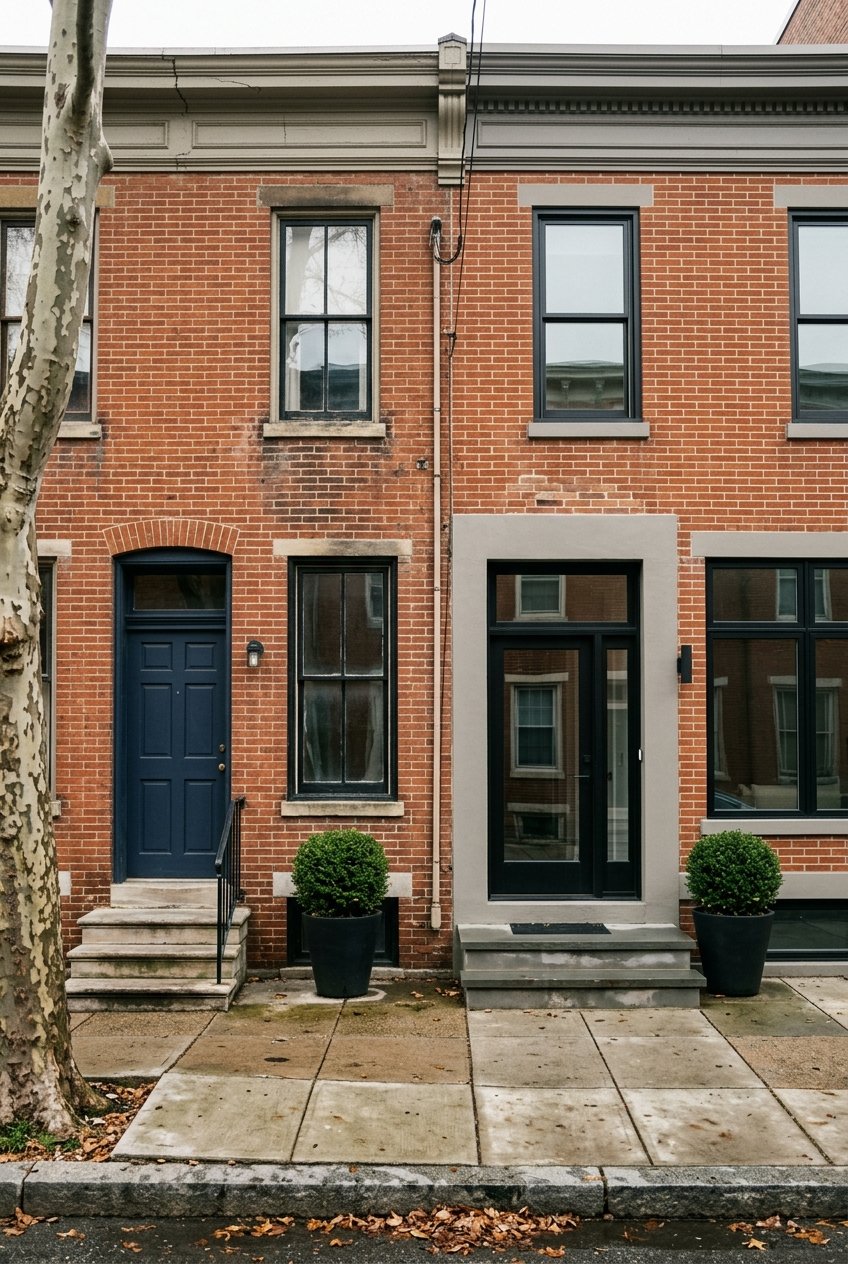
If you have toured a few homes in Passyunk Square, you have probably noticed something fast: two rowhouses with similar price tags can live very differently. One may feel compact and vertical, while another feels wider, brighter, and easier to move through. Understanding those differences can help you shop smarter, spot meaningful upgrades, and avoid getting distracted by staging alone. Let’s dive in.
Why rowhouse layout matters
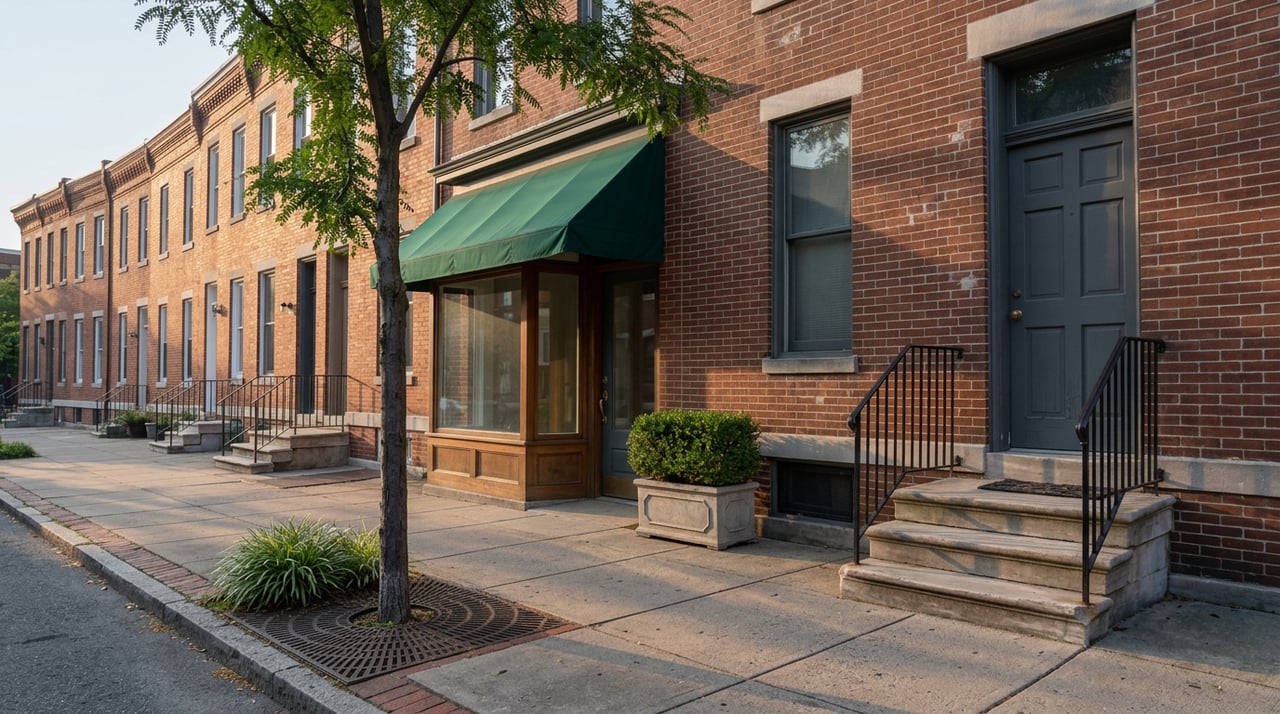
In Passyunk Square, rowhouses are part of the neighborhood’s identity and historic character. The neighborhood is generally defined by Broad Street to 6th Street and Washington Avenue to Tasker Street, and its public-facing civic mission includes preserving that unique historic feel.
That context matters when you are comparing homes. In Philadelphia, rowhouses developed around narrow lots and efficient attached construction, so layout has always been a big part of how a home functions. In practice, width, depth, stair placement, and renovation quality often matter as much as square footage.
Common Passyunk Square rowhouse types
Most buyers do not need an architectural deep dive. What helps most is learning the few rowhouse forms that shape how many Philadelphia homes look and feel from the inside.
Trinity or bandbox
The trinity is the smallest rowhouse type in Philadelphia. It is typically no larger than sixteen feet on any side, with one main room per floor and enclosed winding stairs.
These homes were often built on courts or alleys behind larger properties. In a Passyunk Square search, it is better to think of the trinity as the compact end of the Philadelphia housing spectrum, not the default layout for the neighborhood.
London plan
The London plan gives you a more traditional room-to-room layout. It is usually two rooms deep and includes a side hall, which creates better privacy and a clearer split between front and back rooms.
If you are scanning listing photos, the side hall is one of the easiest clues. It usually tells you the house is not a trinity and may offer a more flexible everyday layout.
Workingman’s house
For many older South Philadelphia homes, the workingman’s house is the most useful baseline. According to the Philadelphia Rowhouse Manual, this common mid-to-late nineteenth-century type is usually around 1,000 to 1,600 square feet on two floors.
Typical features include an entry vestibule, a shed kitchen, shallow closets, indoor plumbing, and central heating. If you are touring older rowhouses in Passyunk Square, this is often the form buyers are really comparing, even when finishes vary widely from one listing to the next.
Streetcar townhouse
The streetcar townhouse is the larger cousin in the South Philadelphia rowhouse family. These homes are generally three stories and about 2,200 to 2,500 square feet.
They often include front porches, bay windows, taller ceilings, and more decorative woodwork. In listing photos, they usually read as taller and more ornate than the workingman’s house.
Larger town house
At the upper end of the range, Philadelphia town houses can run roughly 3,000 to 6,000 square feet and 18 to 22 feet wide. These homes may include multiple formal rooms, stairwells lit by skylights or lightwells, and more elaborate trim.
In Passyunk Square, this size and scale is the exception rather than the norm. Still, when one comes to market, its width and room count can put it in a very different category from a typical neighborhood rowhouse.
How to read a rowhouse floor plan
A rowhouse is more than its style label. The way the plan is arranged often tells you more about daily livability than the finish choices in the photos.
Width changes everything
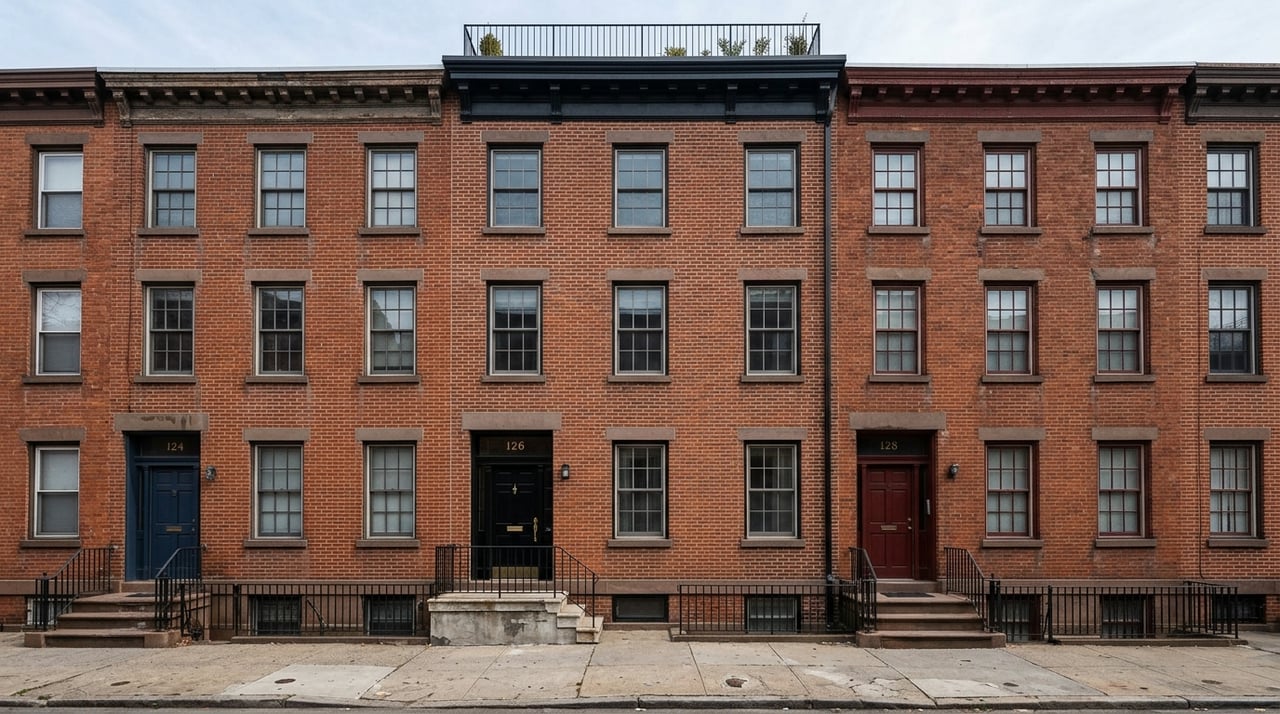
Width is one of the biggest drivers of how a rowhouse feels. Narrower homes tend to feel more vertical and compartmentalized, while wider homes make it easier to fit a larger kitchen, improve circulation, and furnish rooms without awkward tradeoffs.
That means two homes with similar square footage may live very differently. A slightly wider footprint can make the main floor feel calmer, more open, and easier to use.
Stair placement affects flow
Stair location shapes how connected or chopped up a home feels. In more compact plans, stairs can consume a surprising amount of usable space and make circulation feel tighter.
In deeper or wider layouts, the stairs may allow for a better separation of spaces. That can create more privacy and a smoother transition between living, dining, and kitchen areas.
Original versus altered layout
Many Passyunk Square rowhouses have been updated over time. Some changes improve function, while others remove too much of the original circulation and leave the home feeling awkward.
When you walk through a house, try to notice whether the plan feels intentional. A successful renovation usually balances openness with enough structure to make each area feel useful.
Renovations you will see often
In rowhouse neighborhoods, many updates follow a familiar pattern. The goal is usually to make the house feel larger and more useful without changing its overall footprint too dramatically.
Rear kitchen additions
One of the most common upgrades is to rebuild or enlarge the rear kitchen addition. Owners may also open the kitchen to the dining area with a structural beam to create a more connected main floor.
This can be a smart improvement, especially in a narrower house. It often helps the rear of the home work harder and makes everyday living feel more natural.
Skylights and upper-level suites
Skylights are another common feature in renovated rowhouses. They can help bring natural light deeper into the home, especially where side windows are limited.
Some renovations also add a bedroom suite above the rear addition. That can improve bedroom layout upstairs, but the quality of the design and construction matters.
Roof decks
In homes with small yards, roof decks have become a popular amenity. The Philadelphia Rowhouse Manual notes that they should be treated separately from the waterproofing system, which is an important detail for long-term upkeep.
If a home has a roof deck, it is worth looking beyond the view. You will want to understand how access was designed and whether the work was properly approved.
Finished basements
Finished basements are often marketed as extra living space. They can add flexibility, but a basement bedroom needs proper egress and adequate ceiling height according to the Rowhouse Manual.
That makes basement finish quality more than a cosmetic issue. It is an inspection and due diligence issue too.
What to ask before you buy
A beautiful kitchen or fresh paint can make any listing look appealing. In Passyunk Square, the smarter questions usually relate to layout history, permits, and how well the house was improved.
Here are some of the most useful questions to ask:
- Is the floor plan mostly original, or has it been significantly altered?
- Was the rear addition rebuilt or enlarged?
- Were the roof deck and access structure permitted and approved through city review?
- Is the basement truly usable, or just finished cosmetically?
- Does the property have any historic designation that could affect future exterior work?
Philadelphia currently requires a Building Permit before enlarging a structure, changing the interior or exterior of an existing structure, or making major alterations. The city also requires zoning review for roof decks, access structures, and balconies. If a property is on the Philadelphia Register of Historic Places, exterior work such as facades and roofs needs approval from the Historical Commission before moving forward.
Why inspections matter in attached homes
With rowhouses, you are not evaluating one structure in isolation. Shared party walls mean moisture, structural issues, or other problems in one home can sometimes affect the homes next to it.
That is one reason inspection quality matters so much. In attached housing, a careful review can reveal issues that a quick showing cannot.
What shapes value most
When buyers compare one Passyunk Square listing to another, three factors tend to stand out: design era, width, and renovation quality. Those variables often shape both daily livability and how the market responds to a home.
A smaller home with a smart layout can outperform a larger one with awkward circulation. Likewise, a renovation that respects the rowhouse form and handles permits properly can feel more valuable than one that only looks good in photos.
How to tour Passyunk Square homes strategically
When you visit homes, try to look past surface finishes first. Focus on the footprint, the width, where the stairs sit, and whether the rear of the house feels thoughtfully designed.
Then look at the renovation choices. Ask whether the changes improved how the home lives or simply made it more open without adding function.
In a neighborhood like Passyunk Square, that approach helps you compare homes more accurately. It also makes it easier to tell whether a listing’s price reflects real value or just strong presentation.
If you want help evaluating rowhouse layouts, renovation quality, and what truly drives value in Philadelphia’s neighborhood housing stock, The Eric Fox Team can help you navigate the details with clear, local guidance.
FAQs
What is the most common older rowhouse baseline in South Philadelphia?
- The South Philadelphia workingman’s house is the most useful baseline for many older homes, typically around 1,000 to 1,600 square feet on two floors with features like an entry vestibule and shed kitchen.
How can you tell if a Philadelphia rowhouse is a trinity?
- A trinity is usually very compact, with one main room per floor and enclosed winding stairs, often in a footprint no larger than sixteen feet on any side.
What makes a London plan rowhouse different?
- A London plan is typically two rooms deep and includes a side hall, which usually creates better privacy and a clearer split between front and back rooms.
What Passyunk Square rowhouse features need permit review?
- In Philadelphia, enlargements, major alterations, and changes to an existing structure generally require a Building Permit, and roof decks, access structures, and balconies also require zoning review.
Why does rowhouse width matter so much in Passyunk Square?
- Width strongly affects circulation, kitchen size, furniture placement, and whether the home feels compartmentalized or comfortably laid out.
What should you check about a finished basement in a Philadelphia rowhouse?
- If a basement includes a bedroom or is presented as major living space, you should confirm that it has proper egress and adequate ceiling height, since those details affect usability and inspection findings.