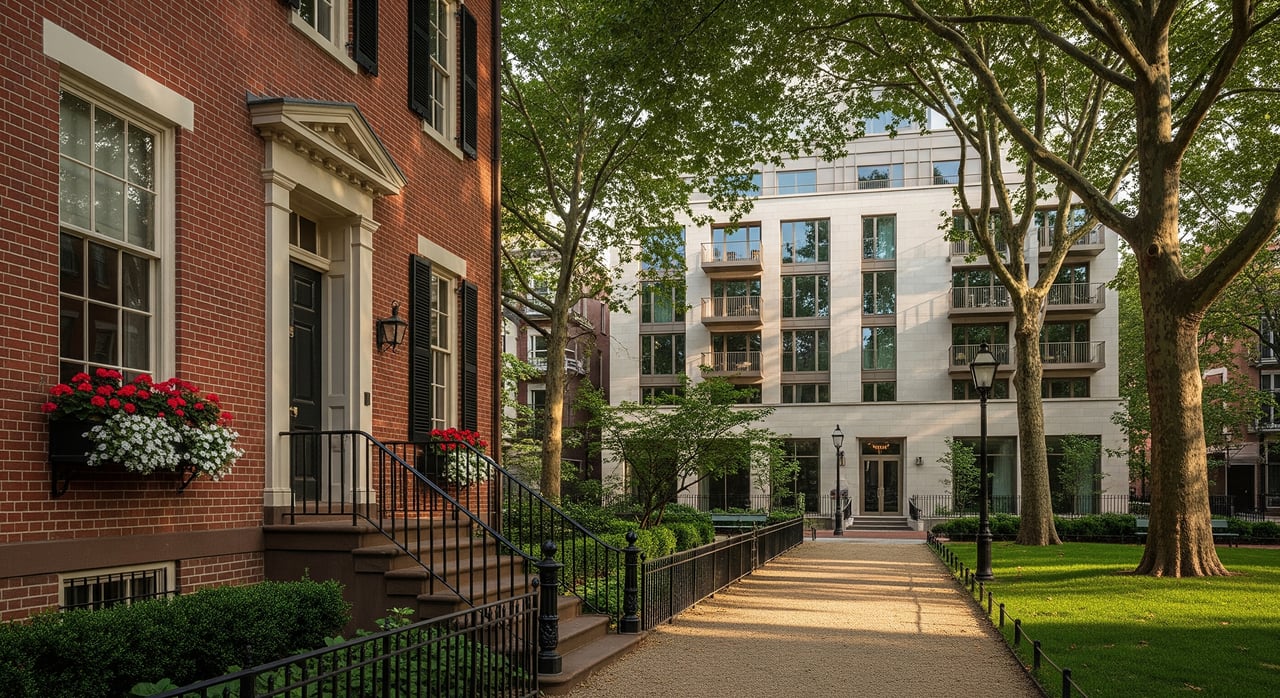
Trying to decide between a condo or a townhouse in Rittenhouse Square? You are not alone. This neighborhood offers some of Philadelphia’s most attractive options on both sides, and the right choice comes down to how you want to live day to day. In this guide, you will compare lifestyle, costs, parking, financing, and resale so you can move forward with confidence. Let’s dive in.
Rittenhouse options at a glance
Rittenhouse Square is a walkable pocket of Center City with tree-lined streets, the iconic park, and a mix of high-rise condos, boutique conversions, and historic row and brownstone townhouses. If you want turnkey city living with services and amenities, a condo often fits best. If you want multi-level space, privacy, and more control, a townhouse can be the better match.
Inventory shifts with new projects, and townhouse supply is often tighter. That is why framing your needs early helps you act quickly when the right place hits the market.
Condo vs. townhouse: lifestyle fit
Condos: city living made simple
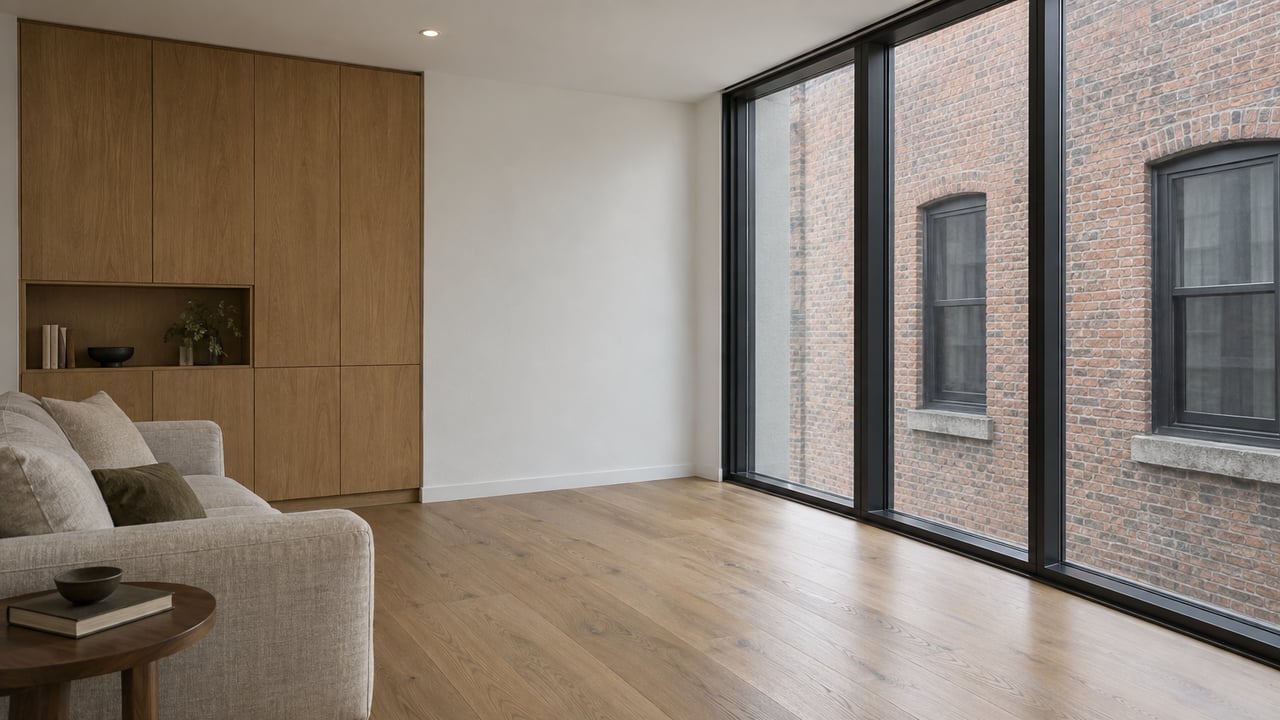
Condo buildings in Rittenhouse range from pre-war conversions to mid-rise and luxury high-rises. Many target professionals and empty nesters who value convenience. You get a lock-and-leave lifestyle, often with elevator access, front desk services, and quick access to cafés, restaurants, and retail around the square.
If you enjoy on-site amenities and want less day-to-day upkeep, a condo can streamline your routine. The tradeoff is shared spaces and association rules that guide what you can change.
Townhouses: space, privacy, character
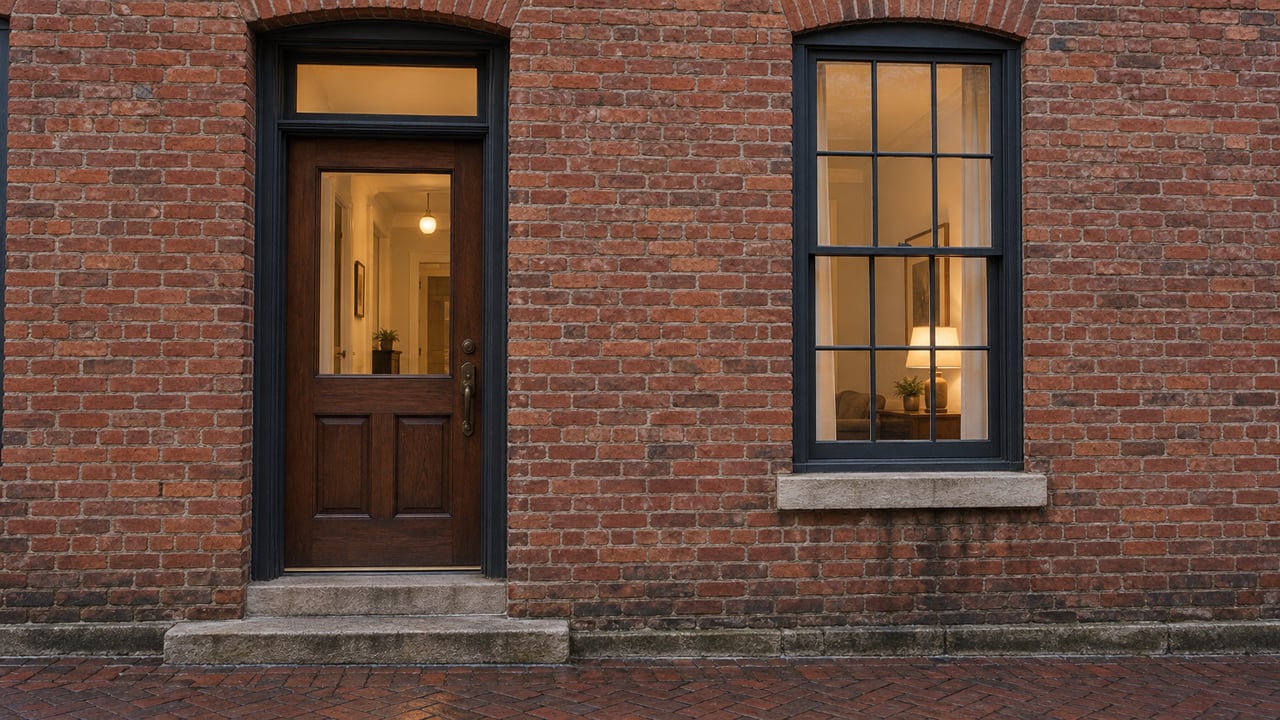
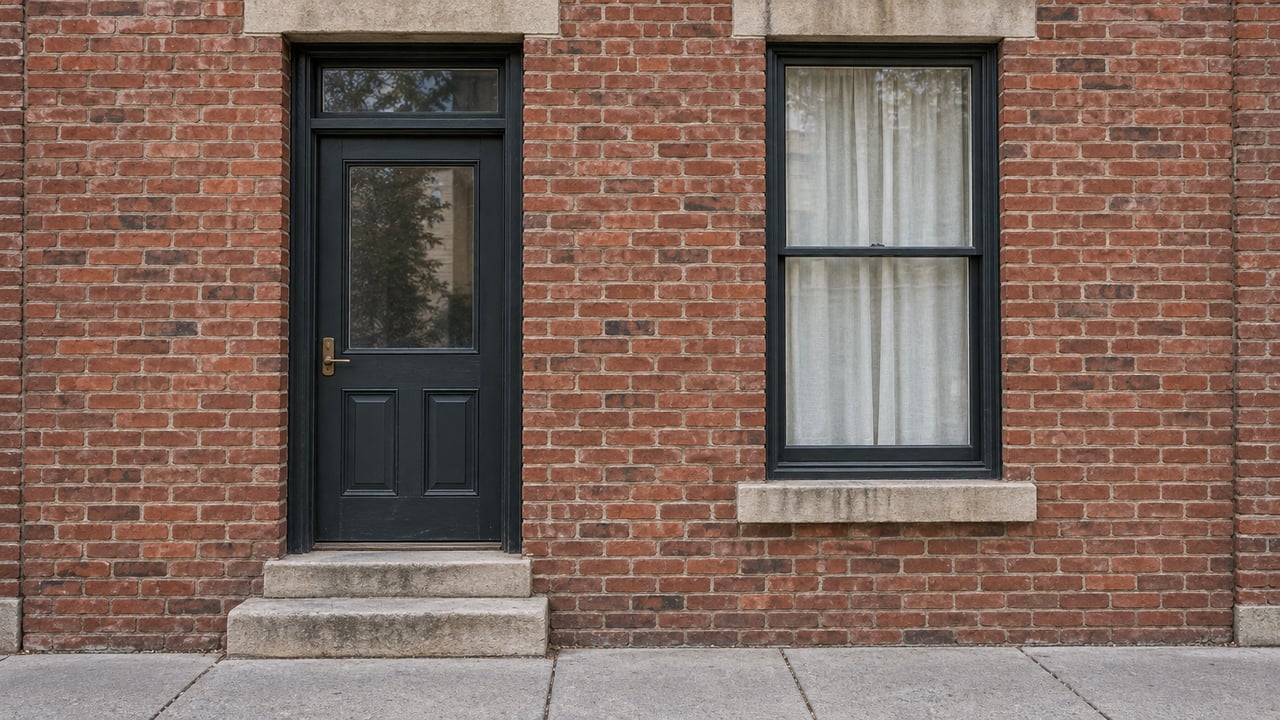
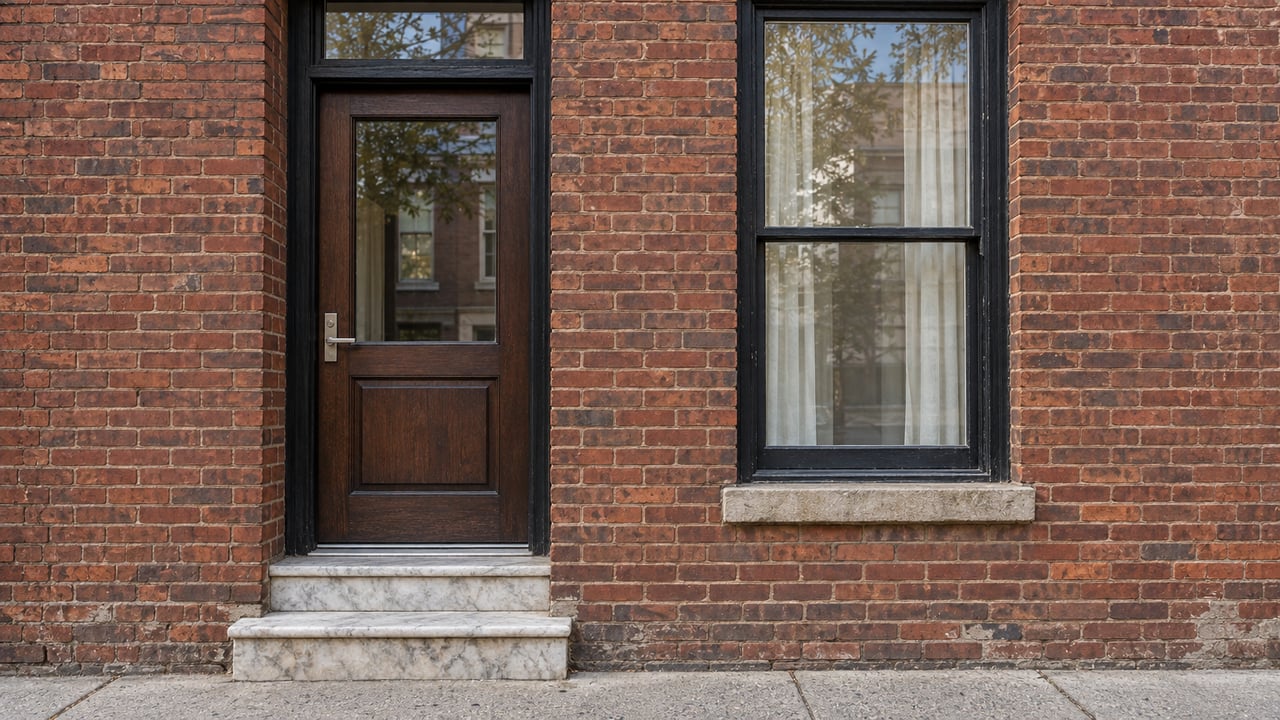
Rittenhouse townhouses are typically historic brownstones and brick rowhouses, often updated inside while preserving classic facades. You live on multiple levels with direct street access and potential private outdoor space, like a small yard, patio, or roof deck.
This is the closest you get to single-family living in the city. You gain privacy and control, but you also take on full responsibility for maintenance and repairs.
Monthly costs and ownership
Condos: fees and shared reserves
Condo fees vary widely by building age, size, and amenities. Higher-amenity buildings tend to have higher fees, which typically cover common-area maintenance, building insurance for shared spaces, and sometimes utilities and services like concierge, doorman, gym, or pool. You also contribute to reserves for future capital work.
Before you buy, review the association budget, reserve levels, recent meeting minutes, and any special assessments. Check the owner-occupancy ratio and any rental restrictions, since these can affect both financing and resale.
Townhouses: no HOA, full control
Most townhouses do not have HOA fees. You pay for everything directly, including roof, masonry, HVAC, trash, landscaping, and homeowners insurance. You control timing and scope of work, which many owners like.
Plan for irregular but sometimes larger cash needs for repairs or upgrades. Without a shared reserve, you set your own schedule and budget.
Amenities and services
What you get in a condo
Higher-end Rittenhouse condo buildings may offer concierge or doorman services, fitness centers, package rooms, valet or garage parking, and rooftop terraces. These features add convenience and can support higher resale values per square foot, but they also increase monthly fees.
If you value an in-building fitness center or someone to handle deliveries, a condo’s amenity stack can be a big advantage.
What you get in a townhouse
Townhouses rarely include shared amenities, but you may have a private garage, basement storage, a roof deck, or a small rear yard. You decide what to add and when to improve it. If customized space matters more than shared features, a townhouse can be the better fit.
Privacy, control, and renovations
Condos: rules and approvals
Condo associations govern common areas and building systems. Interior changes that affect structure or shared systems often require approval. Living in close proximity to neighbors can also mean more shared noise and traffic in hallways and elevators.
Townhouses: freedom with historic oversight
You have greater control over interior and exterior work in a townhouse, subject to local rules. Many Rittenhouse properties fall within historic districts or conservation areas. Exterior changes, window replacements, or work on cornices and stoops may require permits or Historical Commission review. Build extra time into your renovation plans to account for approvals.
Parking and storage
Condos: garage options and lockers
Many Rittenhouse condo buildings offer assigned indoor parking, valet, or off-site parking arrangements. Storage lockers are common in luxury buildings. If you own a car, confirm whether parking is included, assigned, or available for an extra fee.
Townhouses: private garages or permits
Some townhouses include private garages or rear-access parking. If not, you will likely rely on street parking and residential permits. Storage usually lives within the home or basement, so check ceiling heights, moisture control, and access.
Financing and resale
Financing
Condo loans involve project-level reviews. Lenders often look at reserve levels, owner-occupancy ratios, insurance, and any litigation. Some buildings may not be approved for FHA or VA financing, which can limit your options or affect your buyer pool when you resell.
Townhouses are typically financed like single-family homes with fewer project-level hurdles. This can speed underwriting and expand loan product choices.
Resale and liquidity
Condos in urban markets often attract a broad buyer pool, including investors and young professionals. Supply can shift with new construction, and community rules can impact investor demand. Townhouses tend to be limited and sought after, with lower turnover. They may command premiums per square foot and show strong appreciation, though the buyer pool can be narrower and comparable sales scarcer.
Rittenhouse-specific factors
Blocks and building patterns
Rittenhouse Square is the center of gravity. Streets that border the park and nearby avenues often feature elevator buildings and high-amenity condos. Quieter side streets a block or two away are known for historic rowhouses and brownstones. If you imagine coffee on a balcony with concierge downstairs, you will likely focus near the square. If you prefer a tree-lined street with a stoop and roof deck, you may look on the adjacent blocks west or south of the park.
Transit, walkability, and car ownership
Rittenhouse offers quick access to Center City job centers, arts venues, and dining. Regional Rail at Suburban Station is a short walk, and major subway and bus lines are nearby. Bike lanes and limited parking shape how many residents approach car ownership. If you need dedicated parking, factor that into your search from the start.
Market dynamics to watch
Demand is strong among professionals and buyers who want a city lifestyle. Townhouse inventory can be tight, so preparation matters. New luxury condo projects arrive periodically and can shift condo supply. Rather than chasing last month’s numbers, align your strategy with current on-the-ground inventory and your financing plan.
Quick decision filter
Use these questions to narrow your focus fast:
- Do you want turnkey, low-maintenance living with on-site services and amenities? If yes, lean condo.
- Do you want private outdoor space, multi-level living, and control over the exterior? If yes, lean townhouse.
- Is private garage parking a must-have? Both are possible. Confirm specifics for each property.
- Do you rely on FHA or VA financing? Verify condo project approval. Townhouses usually have fewer project-level requirements.
- Is long-term resale with potential per square foot premium a priority, even with a narrower inventory? A townhouse can fit that goal.
What to review before you write an offer
For condos
- Declaration, bylaws, and house rules, including pet and rental policies.
- Association budget, reserve balances, recent meeting minutes, and any special assessments.
- Owner-occupancy ratio, pending litigation, and planned capital projects.
- What utilities and services are included in fees.
- Parking assignment or purchase terms, guest parking rules, and storage availability.
- FHA or VA approval status if relevant to your financing or future resale.
For townhouses
- Maintenance and capital improvement history, including roof, masonry, HVAC, and windows.
- A thorough inspection covering structure, drains, foundation, and pest.
- Whether the property is in a historic district and what approvals are needed for exterior work.
- Easements, alley access, garage rights, and any shared elements.
- Utility metering, especially if the home was ever configured as more than one unit.
- Current property tax assessment and any pending appeals or exemptions.
Negotiation and timing tips
Condos
Board application and approval can add time to closing. Build in a contingency for association document review and any board process. If the building has planned capital work or a special assessment, that can be a negotiation point.
Townhouses
Get robust inspection contingencies that reflect the age and construction of historic brownstones. If a seller wants a quick close, make sure your lender timeline fits. The fewer project-level hurdles in townhouse financing can help you meet a tight schedule.
How we help you compare options
You deserve a clear path through a complex decision. With deep Center City experience, we help you weigh lifestyle tradeoffs, review condo documents, and understand the cost of ownership in older townhouses. Our approach is hands-on and personal, so you can focus on what matters while we keep the process moving.
As a top-producing Compass team, we combine boutique, white-glove service with enterprise-grade data and marketing tools. Whether you choose a high-rise condo a block from the park or a quiet rowhouse nearby, you get responsive guidance, strong negotiation, and a smoother closing experience.
Ready to see the right homes and make a confident choice? Connect with The Eric Fox Team to start a focused Rittenhouse search today.
FAQs
What are typical condo fees in Rittenhouse Square?
- Fees vary by building age, size, and amenities, and they often include common-area maintenance, building insurance for shared spaces, some utilities, and services like concierge or a gym.
Can I use FHA or VA financing for a Rittenhouse condo?
- Some buildings may be approved and others may not, so you need to verify the project’s status; townhouses usually face fewer project-level financing hurdles.
Are Rittenhouse townhouses subject to historic rules?
- Many properties near the square sit in historic districts or conservation areas, so exterior changes can require permits or Historical Commission review.
How does parking differ for condos and townhouses near the square?
- Many condo buildings offer garage, valet, or off-site arrangements, while townhouses may have private garages or rely on street permits; always confirm parking details and costs.
Which has better resale potential: condo or townhouse?
- Condos often draw a broad buyer pool, while townhouses can be limited and highly sought; your best choice depends on inventory, rules that affect buyers, and your long-term goals.
What should I review before bidding on a condo vs. a townhouse?
- For condos, focus on association documents, reserves, fees, and any special assessments; for townhouses, focus on inspection findings, maintenance history, parking rights, and any historic constraints.