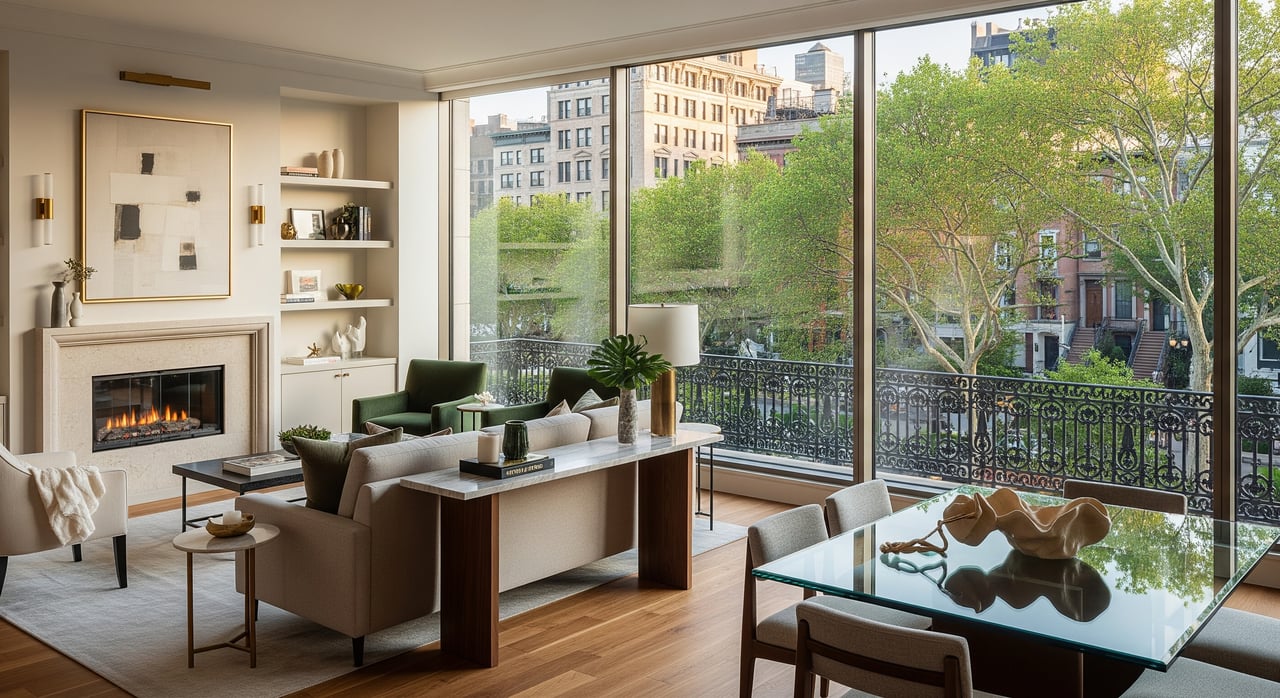
Thinking about selling your Rittenhouse condo and wondering what price will spark real interest, not just a few casual showings? You’re not alone. Pricing in this neighborhood is nuanced because every building, view, and amenity can shift buyer demand. In this guide, you’ll get a clear, data-backed plan to set a price that attracts attention and supports your goals. Let’s dive in.
Understand the Rittenhouse condo market
Rittenhouse Square is one of Center City’s luxury hubs with high walkability and easy access to dining, retail, culture, and jobs. The neighborhood blends full-service high-rises, historic conversions, and boutique buildings. Each attracts a slightly different buyer pool and carries its own pricing dynamics.
Buyer interest tends to concentrate on condos with strong finishes, park or skyline views, deeded parking, and full-service amenities like a doorman or concierge. Units with direct park exposure often see extra demand, even at lower floors, because that setting is a unique lifestyle draw.
Activity usually rises in spring and early summer, but high-end timing often tracks inventory and seller needs more than strict seasonality. For your specific listing window, review recent sold, pending, and active data from the past 6 to 12 months to capture the latest trends by building and price band.
Know the levers that move price
Floor height and views
Higher floors often feel quieter and offer better sightlines. In many towers, you’ll see a premium for height and for view corridors that clear rooftops. Park-facing units can command extra demand regardless of floor because the setting is rare and visual.
How to use it: Compare same-stack sales when possible and measure price per square foot by floor band. If you lack same-stack examples, use adjacent floors and apply an empirical adjustment drawn from paired sales inside the building.
Building class, services, and amenities
Full-service buildings with a doorman, concierge, on-site management, fitness, and roof or pool amenities often justify higher list prices. Secure package delivery, storage, and modern building systems also reduce friction for buyers.
How to use it: Score your building versus nearby competition. Buyers will trade price for services, so align your ask with the amenity set and the carrying cost tied to dues and taxes.
HOA strength, dues, and reserves
Monthly dues impact affordability, but the story doesn’t stop there. Strong reserves, clean financials, and transparent governance support buyer confidence and price. Weak reserves or looming special assessments can pull value down.
How to use it: Review the budget, reserve study, insurance, litigation status, assessment history, owner-occupancy ratio, and rental policies. Price more confidently when documents show a healthy association.
Unit condition and finishes
Buyers in Rittenhouse expect finishes that match the price point. Updated kitchens and baths, quality flooring, integrated appliances, and well-maintained systems help push price. Documentation like permits, invoices, and warranties strengthens your story.
How to use it: Photograph upgrades clearly and call out major improvements. When comparing comps, note the scope and recency of renovations.
Parking and storage
Deeded garage parking in Center City is scarce and valuable. Storage lockers and bike storage add convenience and make smaller units more livable.
How to use it: Adjust comps for deeded spaces using recent sale data within the same building or immediate area whenever possible.
Layout and usable square footage
A smart layout can outperform raw square footage. Open plans, good closets, and private outdoor space can widen your buyer pool. Balconies and terraces with park or skyline exposure often boost marketability.
How to use it: Verify what is counted as interior square footage and highlight livability features that improve daily use.
Exposure, light, and noise
Orientation matters. Some exposures in certain towers offer better light, while proximity to mechanicals or busy streets can hurt value.
How to use it: Note exposure, elevator access, and any noise sources. Adjust comps accordingly.
Build a comps-based price range
Define your comp universe
- Primary comps: Recent sold units in the same building and same stack over the last 6 to 24 months.
- Secondary comps: Sold units in nearby Rittenhouse buildings with similar class and amenities.
- Market pulse: Active and pending listings to gauge buyer expectations and what price points are clearing.
- Time window: Use 6 to 12 months when activity is healthy; extend up to 24 months if your building has limited turnover.
Collect the right variables
For each comp, capture: closing price and date, address and unit number, floor, orientation or stack, interior square footage, beds and baths, renovation scope and year, parking type, storage, HOA dues, and days on market. For the building, log amenity set, doorman or concierge, reserve status, special assessments, and owner-occupancy.
Derive the base metric and adjustments
Start with price per square foot using same-building, same-stack comps. If you lack those, use the paired sales method in your building to estimate floor and view premiums. Adjust for bigger items first, like renovation level and deeded parking, then factor in smaller differences like exposure or balcony.
Document each adjustment with a brief why. If a deeded parking space in your building has sold separately, note that price. If dues differ meaningfully, translate the monthly delta into an impact on affordability to guide your pricing band.
Produce a price band, not a single number
Present a clear range:
- Competitive price: Slightly under likely market to drive early tours and potential multiple offers.
- Market value: Data-backed level using the most relevant comps and adjustments.
- Stretch price: Aspirational ask when the unit has rare features or you have time to test depth. Expect longer days on market and be ready to pivot.
Choose a pricing strategy
Strategy options
- Price to win early: Slightly below competing units. Works when you want speed or when inventory is tight and buyers are active.
- Price at market: Balanced approach for typical timelines and strong confidence in your comps.
- Test the top: Above-market pricing for rare units or flexible timelines. Monitor feedback and be ready for strategic reductions if the market resists.
Listing tactics that maximize demand
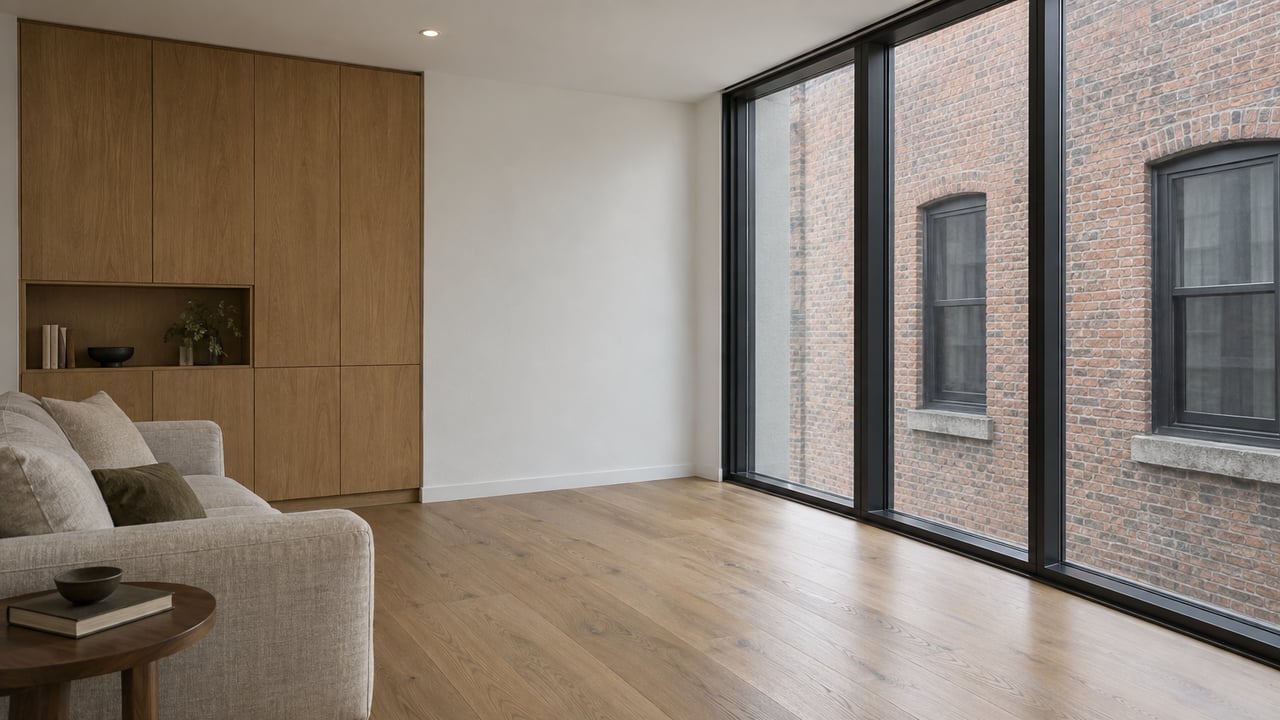
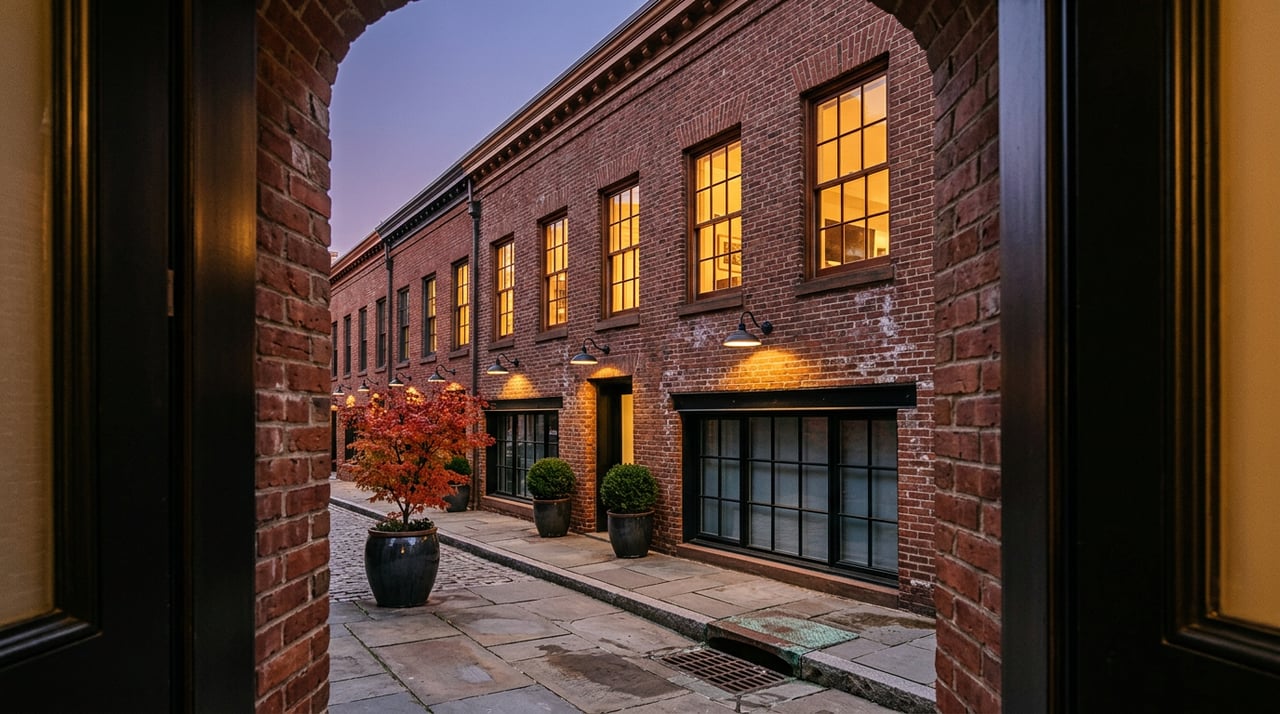
- Prelist prep: Staging, decluttering, lighting updates, and window detailing matter. Use professional photography, floor plans, and a 3D tour for remote buyers. Twilight images help when views are a highlight.
- Documents ready: Assemble the resale packet, rules and bylaws, recent minutes, budget, reserves, insurance, and any known project details before launch. Faster answers mean stronger buyer confidence.
- Marketing focus: Target the buyer pools most likely to value your building’s services and location. Broker opens and targeted outreach help accelerate traction.
- Showing access: Maximize availability in the first two to three weeks to build momentum.
- Pricing cadence: Avoid small, frequent reductions. If you adjust, pair it with refreshed marketing and updated comps.
Prepare documents that protect price
A clean file is a selling tool. Make it easy for buyers and lenders to say yes.
- Resale packet and HOA disclosures: Provide budget, reserve study, financials, meeting minutes, declarations, bylaws, rules, insurance, and any pending assessments or litigation details.
- Title, liens, and assessments: Confirm a clean title and no municipal violations. Resolve items that could delay closing.
- Pre-list inspection: Consider a targeted inspection to handle easy repairs upfront and reduce future credits.
- Financing and building eligibility: High dues and reserve policies can limit loan options. Confirm your building meets lender requirements so qualified buyers can proceed.
- Taxes and transfer costs: Know city and county transfer taxes and any condo-specific fees so you can price and negotiate with your net in mind.
Ready-to-use checklist for Rittenhouse sellers
Data and comps
- Pull 12 to 24 months of sold comps in your building and adjacent Rittenhouse buildings.
- Gather active and pending listings within a 1 to 2 block radius to gauge competition.
- Identify same-stack or adjacent-floor sales to quantify floor and view adjustments.
Prep and presentation
- Declutter, stage, refresh lighting, and deep clean windows to showcase views.
- Create high-resolution photos, a floor plan, and a 3D tour.
- Compile invoices, permits, and warranties for major renovations.
Docs and association
- Order the condo resale packet, 24 months of minutes, current budget, and reserve study.
- If applicable, locate the deed for parking and any storage agreements.
Pricing plan
- Define target net proceeds and a minimum acceptable price.
- Choose your strategy: competitive, market, or stretch, with a 15 or 30 day review.
Launch and reporting
- Maximize showing access for the first 2 to 3 weeks.
- Send a weekly showings and feedback report to fine-tune pricing and marketing.
Putting it all together
Your best price is specific to your building, stack, view, finishes, HOA health, and current competition. Start with same-building, same-stack comps, quantify floor and view premiums with paired sales, and adjust for the big drivers like renovations and deeded parking. Present a price band with a clear strategy and be ready to make a confident launch with documents in hand.
If you want a hands-on partner to run the numbers, prep the condo, and market it with maximum reach, we’re here to help. With local expertise, concierge-style preparation, and targeted exposure, your listing will show up at its best. Connect with The Eric Fox Team to request your free market valuation and tailored selling plan.
FAQs
How do views and floor height affect a Rittenhouse condo’s price?
- Higher floors and clear park or skyline views often earn premiums because they feel quieter and more special. Use same-stack or paired sales in your building to quantify the bump.
What documents should I gather before listing a Rittenhouse condo?
- Assemble the condo resale packet, rules and bylaws, recent minutes, current budget, reserve study, insurance details, and any information on assessments or litigation to boost buyer confidence.
How do HOA dues and reserves influence buyer demand?
- Higher dues impact monthly affordability, but strong reserves and clean financials reduce risk. Healthy associations support pricing power, while weak reserves or looming projects may require discounting.
Should I price below market to spark multiple offers?
- Consider it if you want speed and see constrained inventory with clear demand. If timing is flexible or your unit is rare, a market or stretch strategy may be better.
What’s the best way to pick comps for my unit?
- Start with sold units in your building and same stack from the last 6 to 24 months. If limited, expand to similar nearby buildings and use active and pending listings to read current buyer expectations.