
Ever wondered why one Queen Village rowhouse sells in a weekend while a similar home a few blocks away sits for weeks? In these South Philadelphia neighborhoods, small details can change the tempo in a big way. If you are planning a move, understanding Days on Market, or DOM, helps you time your sale, set realistic expectations, and act decisively as a buyer. In this guide, you will learn what drives faster or slower timelines in Queen Village and Bella Vista and how to use that insight to your advantage. Let’s dive in.
What “days on market” means
DOM is the number of days from when a property is listed to when a seller reaches a ratified agreement with a buyer. It is a helpful signal of pricing accuracy and market competitiveness, but it is not the whole story. You should read DOM alongside other indicators to get a complete picture.
Key companion metrics to consider:
- Sale-to-list price ratio and whether a home sold above or below asking
- Number of showings and pace to first offer
- Price reductions and timing of the first reduction
- Offer activity, including multiple-offer frequency
Why DOM varies here
Walkability and daily life
Queen Village and Bella Vista are highly walkable and close to Center City, the Italian Market, and I‑95 access. That convenience keeps a steady stream of buyers in the market. When inventory is tight, popular listings can move quickly.
Housing mix and condition
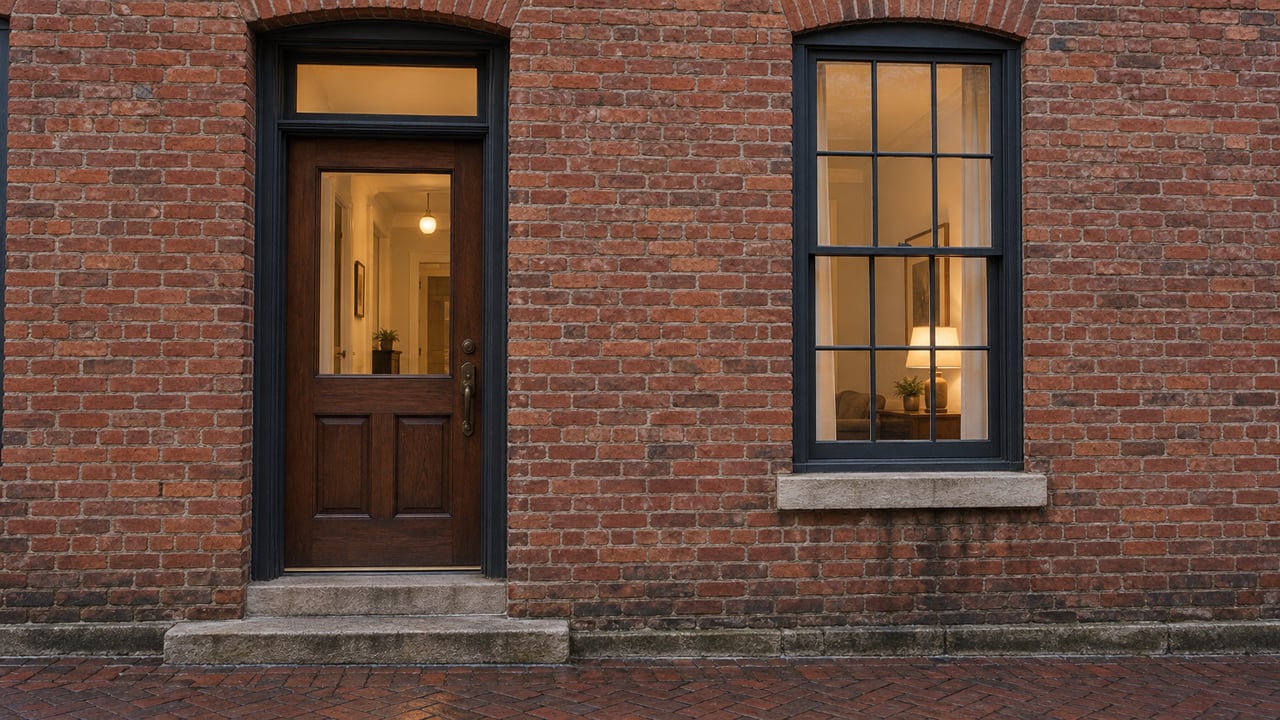
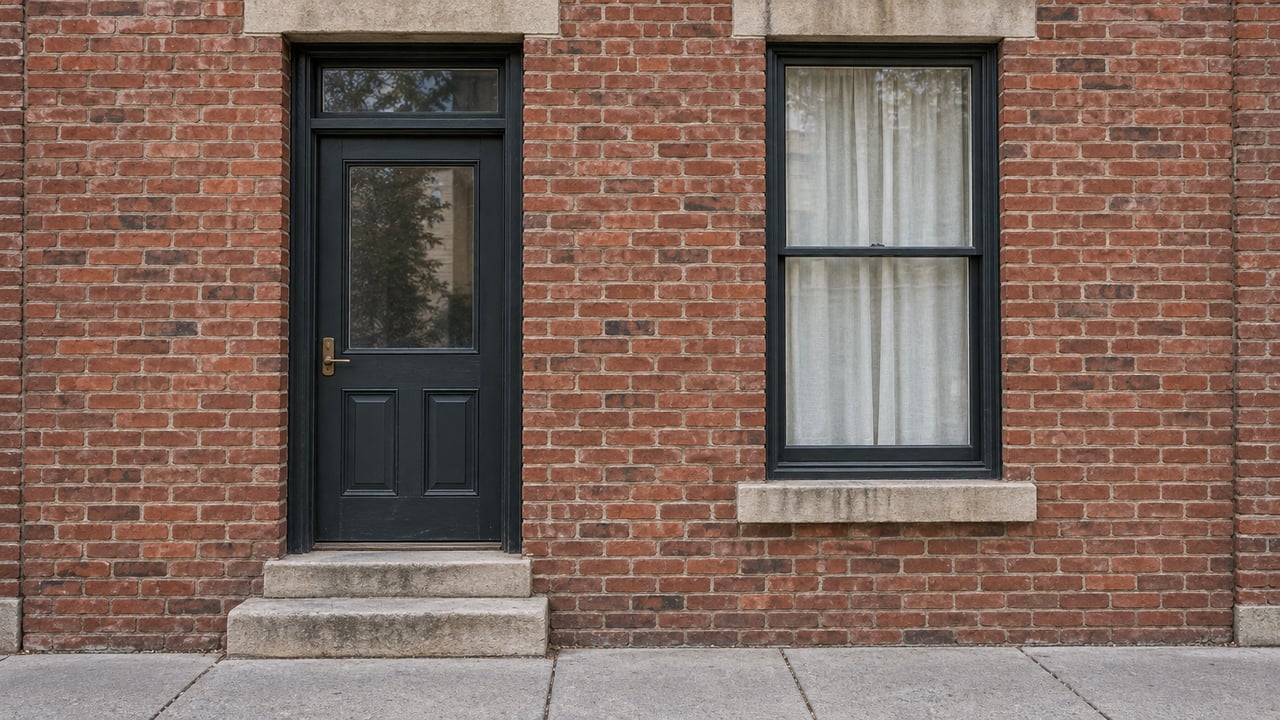
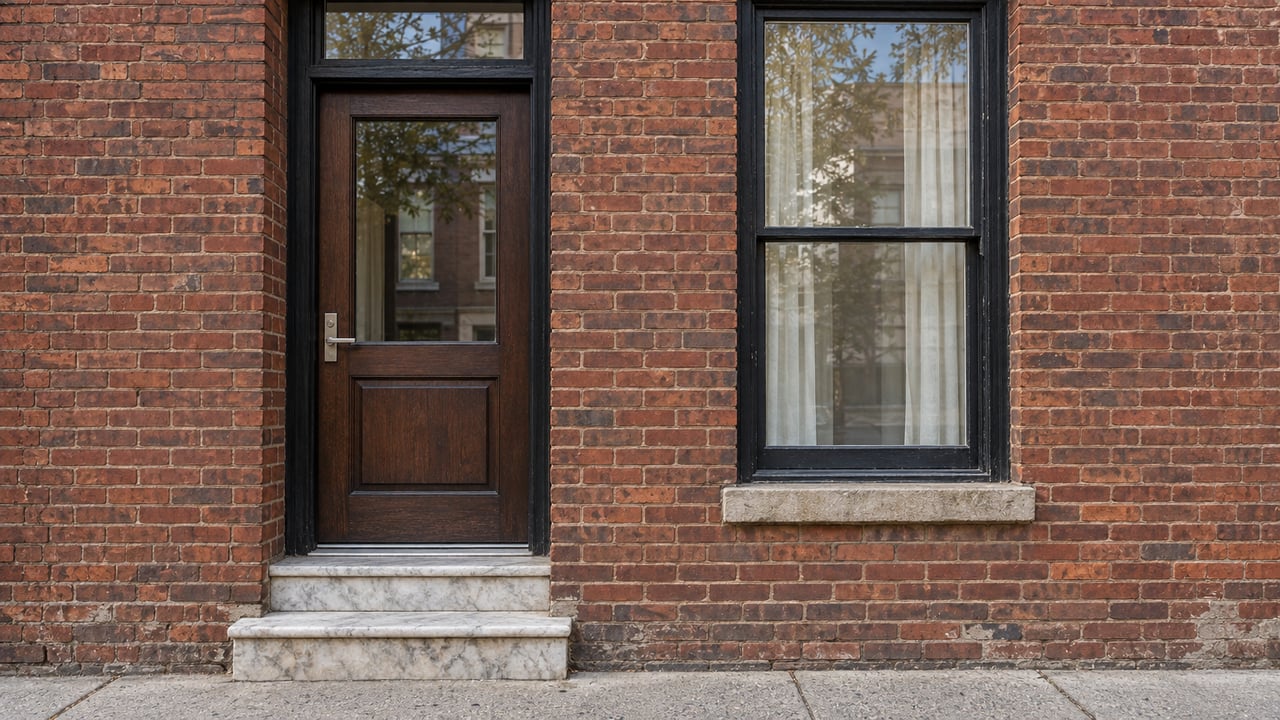
You see a mix of historic 19th-century rowhomes, modernized townhomes, and a growing number of renovated condos. Well-prepared, move-in ready homes tend to attract faster offers. Properties with deferred maintenance or unclear upgrade history often require more due diligence, which can add time.
Features that move the needle
Parking and outdoor space are big differentiators in South Philly. Off-street parking, a garage, or legal alley access can reduce DOM relative to similar homes without parking. A private yard, usable patio, or roof deck also pulls more attention. Historic character is a draw, but older systems and undocumented work can slow negotiations unless improvements are clearly documented.
By property type
Rowhomes and attached single-family
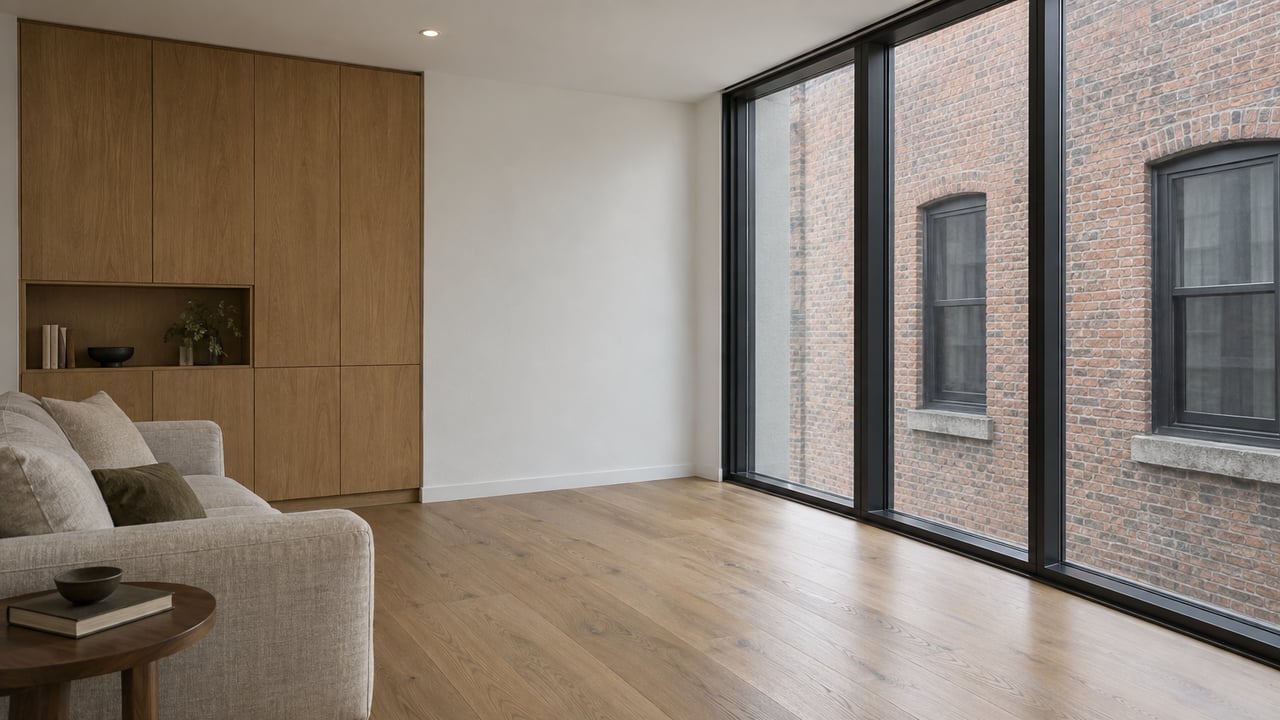
Renovated rowhomes in prime locations often see shorter timelines if priced in line with recent sales. Layout and finish level matter. Updated kitchens and baths, strong natural light, and a staged outdoor area can boost first-week showings and speed to offer.
Condominiums
Newer or well-amenitized condos typically show relatively shorter DOM, especially if HOA information is readily available. Smaller or older condo units may see longer timelines as buyers evaluate building maintenance, reserves, and shared systems. Pricing to reflect condition and monthly fees helps keep momentum.
Multi-family and investment properties
The buyer pool is more specialized. Investors and owner-occupant investors take time for underwriting and rent analysis, and financing can be more complex. Cash buyers can shorten timelines, but overall DOM is often longer than comparable single-family or condo listings.
New construction and high-end rehabs
When priced above nearby comps, new builds or top-tier rehabs may wait for the right buyer. Strong marketing, clear documentation of permits and warranties, and pricing aligned with the neighborhood context help keep DOM in check.
By price band
Entry-level
Smaller condos and modest rowhomes draw larger buyer pools. If priced competitively, these can move quickly, especially when inventory is limited. Clean presentation and flexible showings are key to capturing early momentum.
Mid-market
Renovated rowhomes with attractive finishes often sell faster than upper-end properties because they match the broadest demand. Homes with parking or a deck can see even tighter timelines at this tier.
Upper-end and luxury
Higher price points face a smaller buyer pool and more scrutiny on finishes, systems, and appraisals. Expect more negotiation and a potentially longer runway to the right offer, even with strong marketing.
Seasonality in South Philadelphia
Spring is typically the most active season, followed by a solid early fall. Late fall and winter often see slower traffic and longer DOM. That said, motivated winter sellers can benefit from reduced competition, and serious buyers may move efficiently. Local events, construction cycles, and school calendars can nudge timing either way, so it is smart to track monthly patterns before you list.
Seller strategies to shorten DOM
Use this checklist to stack the odds in your favor:
- Pricing strategy: Set an accurate list price based on recent neighborhood comps and current buyer activity.
- Premarket prep: Complete targeted repairs, refresh paint, and address known issues or price accordingly.
- Documentation: Organize permits, warranties, and a summary of system upgrades for easy buyer review.
- Staging and photos: Stage interiors and outdoor areas. Invest in professional photography that highlights light, layout, and outdoor space.
- Parking clarity: If you have off-street parking, garage access, or a legal alley, showcase it clearly in the listing.
- HOA readiness for condos: Have key HOA documents and recent meeting notes ready to reduce friction.
- Showing access: Offer flexible showing windows to maximize first-week traffic.
- Marketing reach: Ensure broad distribution and compelling digital presentation to capture local and out-of-area buyers.
Buyer playbook by segment
- Entry-level condos or smaller rowhomes: Get fully underwritten pre-approval and be ready to tour quickly. Expect faster timelines for well-priced units.
- Renovated mid-market rowhomes: Prepare for competitive situations. Decide in advance where you can be flexible on contingencies.
- Multi-family and investments: Build in time for rent rolls, inspections, and financing. Cash or larger down payments can improve your position and speed.
- Upper-end homes and new builds: Confirm permits and specifications early. Use recent neighborhood comps to evaluate pricing and negotiate strategically.
Reading the signals during your listing
DOM can guide smart adjustments. Here are practical thresholds and flags:
- After about 7 to 14 days of showings with no offers, reassess condition, photos, and price against fresh comps.
- If you see little to no showing activity after 14 days on an entry-level listing, revisit price and marketing immediately.
- If an upper-end listing requires multiple price reductions within 30 to 60 days, plan for a longer-than-median timeline unless you reset strategy.
If your property is not getting traction
Start with high-impact, low-drama moves:
- Improve presentation: Update listing photos, refine staging, and spotlight outdoor space.
- Clarify value: Publish a clear summary of system updates, permits, or warranties to reduce buyer uncertainty.
- Correct the price: Use the latest neighborhood comps and recent DOM patterns to set a sharper price.
- Expand access: Add evening or weekend showing windows to capture more buyers.
- Refresh marketing: Update headline and description to lead with parking, outdoor space, and location benefits.
How we help sellers and buyers
You deserve a plan tailored to your property type, price band, and timing. Our team pairs deep Center City neighborhood knowledge with hands-on concierge preparation to maximize market impact. We coordinate repairs, staging, and contractor work, then deploy targeted Compass marketing and data tools to create early momentum. For buyers, we provide segment-by-segment strategy so you can act with confidence and move at the right speed.
Ready to understand your likely DOM and best path forward in Queen Village or Bella Vista? Connect with The Eric Fox Team for a free market valuation and a tailored plan.
FAQs
What is days on market and why does it matter in Queen Village and Bella Vista?
- DOM is the number of days from listing to a ratified agreement, and in these walkable South Philly neighborhoods it signals pricing accuracy, buyer demand, and how quickly you may need to act.
How do parking and outdoor space affect days on market in South Philadelphia?
- Off-street parking, garages, and private outdoor space typically reduce DOM versus similar homes without those features because they are scarce and highly valued locally.
Do historic homes take longer to sell in Queen Village and Bella Vista?
- Historic charm drives demand, but older systems and undocumented work can slow negotiations; clear documentation of upgrades and permits helps maintain momentum.
What is the best time of year to list a home in these neighborhoods?
- Spring usually brings the most buyer traffic, early fall is solid, and late fall through winter is slower, though motivated sellers may face less competition during winter months.
How does overpricing impact days on market in these areas?
- Overpricing often leads to early price reductions, fewer showings, and longer timelines; pricing to recent comps usually results in better early traction and stronger offers.
What should I do if my home is not getting offers after two weeks on the market?
- Reassess price, presentation, and showing access, update marketing to highlight parking and outdoor space, and provide clear documentation of improvements to reduce buyer hesitation.