Ever wonder why two condos a block apart near Washington Square can have very different monthly fees? When you shop in Society Hill’s historic core, those numbers can be confusing. You want to know what you are paying for, how reliable the budget is, and whether a future special assessment could surprise you. In this guide, you will learn the main line items that drive fees, how Society Hill’s historic rules affect costs, and how to read a condo budget so you can judge value with confidence. Let’s dive in.
What your HOA fee pays for
Your monthly assessment covers the association’s operating costs and long‑term planning. Here are the major categories that set fees higher or lower from one building to the next:
- Staffing and payroll. Full‑service buildings with doormen or a concierge, a superintendent, and security staff carry the highest recurring costs due to wages, taxes, and benefits. Smaller buildings that use part‑time or contracted help usually spend less.
- Utilities and building‑wide services. Associations often pay water and sewer, common‑area electricity, and sometimes central heating or hot water. If heat or water is included, the fee may look high, but your personal utility bills can be lower.
- Routine maintenance and repairs. Cleaning, common‑area touch‑ups, small plumbing or electrical fixes, and HVAC filter changes keep buildings running. Better routine care can reduce large capital surprises later.
- Service contracts and vendors. Elevator service, alarm monitoring, pest control, snow removal, window cleaning, and landscaping are typical fixed contracts. Contract terms and the number of elevators matter a lot.
- Insurance. The master policy for the building and common elements, plus liability coverage, is a major line item. Many associations also carry Directors and Officers insurance and fidelity bonds.
- Reserves and capital projects. Healthy buildings fund reserves every month to plan for big items like roofs, facades, boilers, windows, waterproofing, and elevators. Adequate reserves reduce the risk of special assessments.
- Management and admin. Fees for a professional management company or in‑house staff, accounting, audits, postage, and supplies. Legal costs can rise during collections or disputes.
- Taxes and municipal costs. Associations may pay taxes on common areas or pass along special municipal assessments.
- Amenities. Pools, gyms, roof decks, party rooms, and garages add ongoing costs for cleaning, utilities, maintenance, and replacement.
- Debt service or special assessments. If the association borrowed for a project or recently assessed owners, you may see loan payments or capital costs woven into the monthly fee.
Why Society Hill condos can cost more
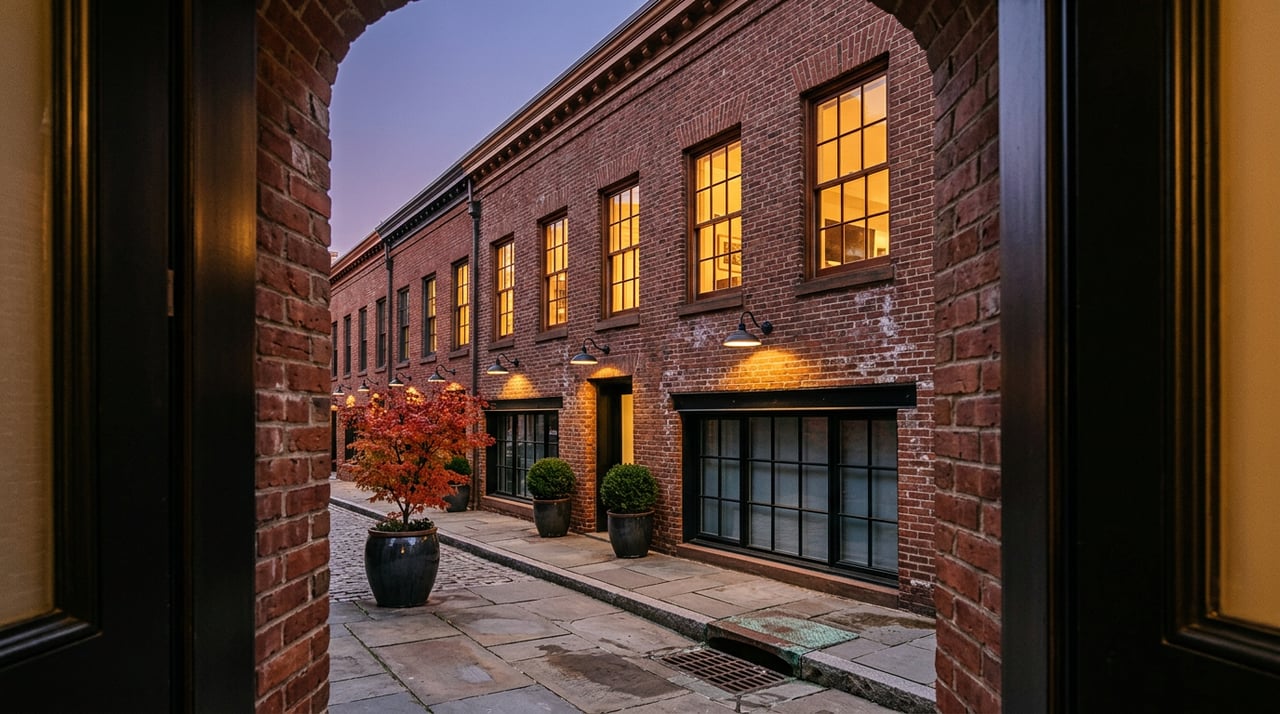
The Washington Square area sits inside one of Philadelphia’s most protected historic districts. That local context changes the math on both everyday operations and long‑term planning.
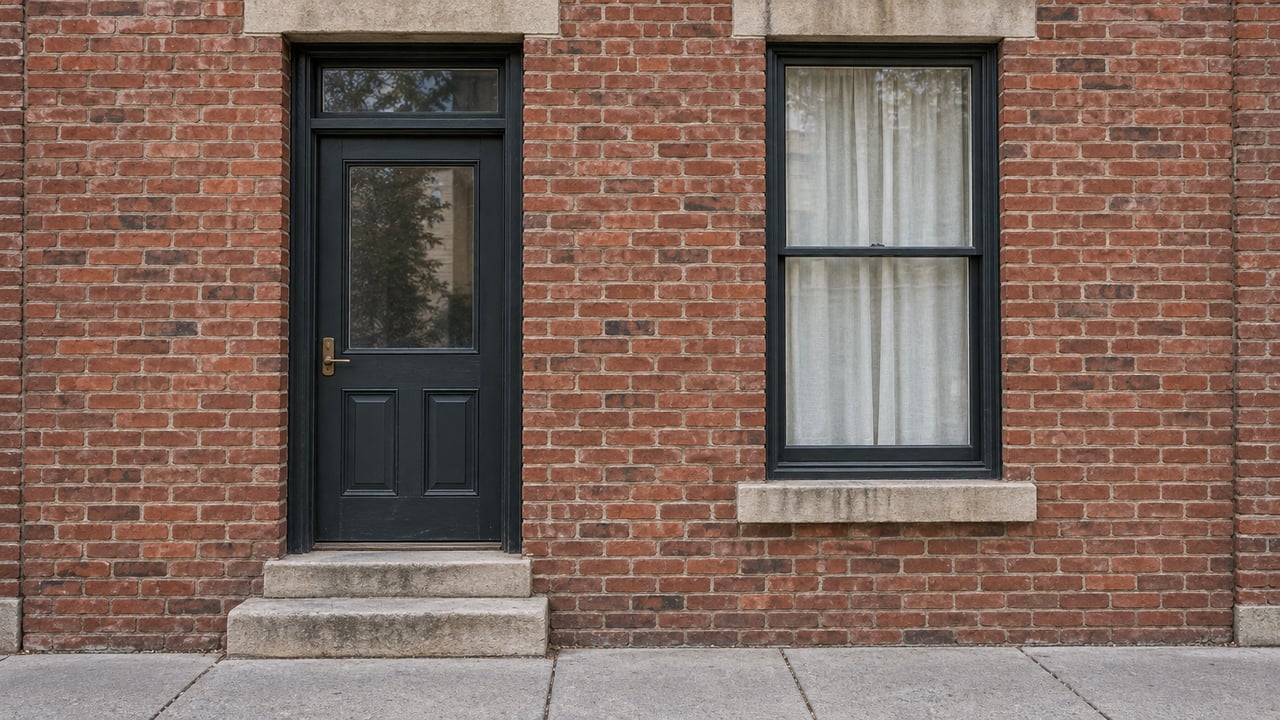
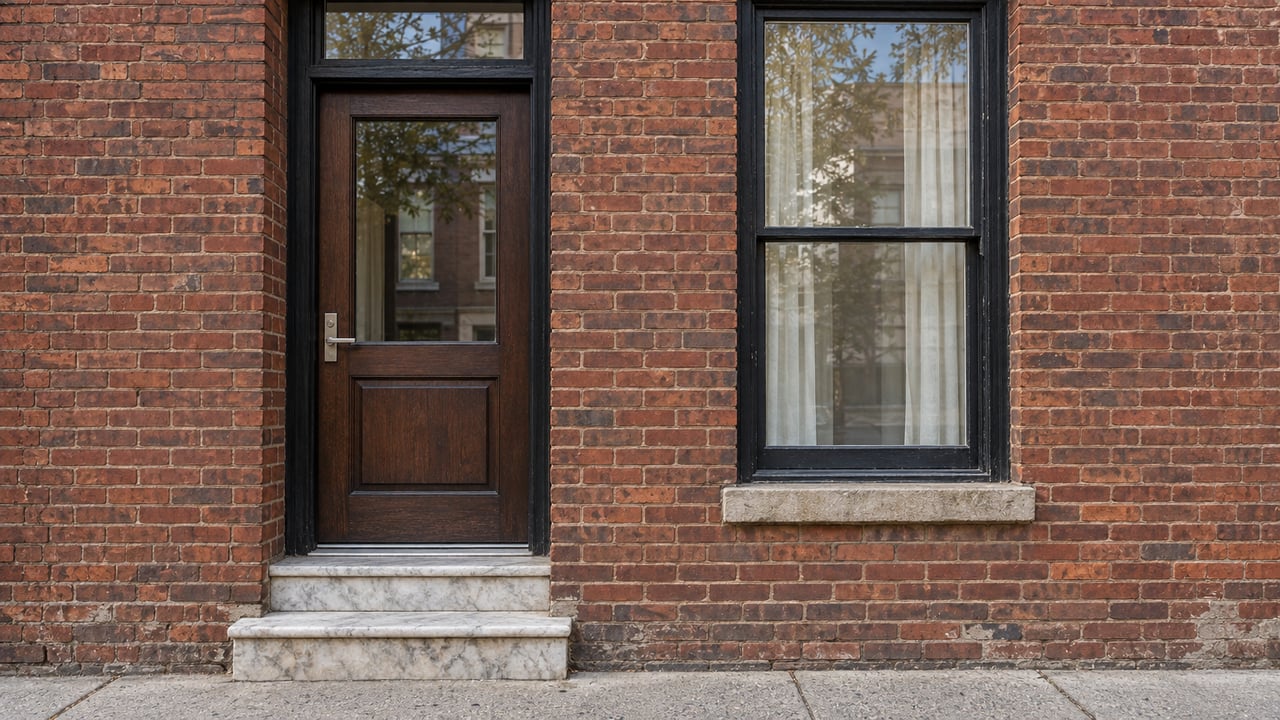
- Historic preservation requirements. Exterior work often needs approval and historically accurate materials. Masonry restoration, slate roofs, brownstone, cornices, and original sash windows require specialized trades. Materials and timelines tend to cost more than standard replacements.
- Older buildings and systems. Many condos here are 18th or 19th century rowhouse conversions or mid‑century buildings with older mechanicals. Steam heat, central boilers, and aging hot water systems need more frequent service and eventual replacement.
- Envelope and masonry work. Brick repointing, lintel repair, parapet and cornice restoration, and waterproofing are common capital needs in Center City masonry buildings.
- Elevators and code work. Older elevators must meet safety and accessibility standards. Service contracts and modernization projects are meaningful expenses.
- Parking pressure. Deeded spaces or on‑site garages are valuable but expensive to maintain and insure. Ventilation, pumps, and structural upkeep add recurring costs.
- Energy inefficiency. Historic windows and insulation reduce efficiency. If the association pays centrally for heat or hot water, expect higher utility usage.
- Urban contractor pricing. Skilled trades for restoration work and elevator technicians often charge more in Center City due to demand and logistics.
- Required inspections. Fire and life‑safety testing, elevator inspections, and any code‑mandated upgrades produce predictable annual costs and sometimes large capital projects.
How to read a condo budget
Ask for the documents you need to see the full picture. Then review each line item with a simple framework.
Documents to obtain
- Current annual operating budget with last year’s comparison
- Last annual financial statements and recent bank statements
- Most recent professional reserve study
- Management contract and fee structure
- Insurance summary with coverages and deductibles
- Meeting minutes for the last 6 to 12 months and any special assessment notices
- List of planned capital projects with estimates or signed contracts
- Litigation disclosures and the association’s collection policy
- History of special assessments from the last 5 to 10 years
- List of major vendors and contract expiration dates
Income and assessments
- Confirm the number of units and whether the budget assumes any delinquent owners.
- Check whether the reserve contribution is separate or included in the monthly dues line.
Payroll and staffing
- Note the number of full‑time equivalents and benefits. A 24/7 lobby or on‑site maintenance team explains higher operating costs.
Utilities
- Identify which utilities the association pays. If water, sewer, heat, or hot water are included in the fee, your personal monthly bills will be lower.
Insurance
- Review the master policy deductible. High deductibles can shift cost to owners after a claim and lead to special assessments.
Maintenance and repairs
- Separate routine operating repairs from capital replacements. Large periodic work should live in the reserve plan, not the operating line.
Reserves and capital planning
- Find the reserve contribution and compare it to the reserve study’s recommendation. If reserves are low and big projects are scheduled, expect fee increases or special assessments.
Management and admin
- See whether the management fee is fixed or per unit and whether project management for capital work costs extra.
Elevators and service contracts
- Older elevators or multiple cabs drive up contract costs. Look for fixed annual contracts and their renewal dates.
Legal and collections
- High legal costs can signal delinquency or disputes. Review minutes for context.
Parking and garage costs
- If parking is part of the common elements, revenues and expenses should be broken out. Look for dedicated reserves for garage structure and equipment.
Red flags and positive signs
Red flags
- No recent professional reserve study or very low reserve contributions
- Frequent or large special assessments in the past five years
- Big, unexplained jumps in insurance, utilities, or payroll
- High legal fees, disclosed litigation, or governance disputes in minutes
- Vague budget lines like a large “miscellaneous” category
- High unit delinquency or weak collection practices
- Deferred maintenance noted in inspections or minutes
Positive signs
- A recent, professional reserve study with steady funding that matches recommendations
- Clear, detailed budgets with notes that explain changes year over year
- Reasonable management fees and documented vendor oversight
- Predictable, modest fee increases tied to contracts and reserve planning
- No recent special assessments and a transparent long‑term capital plan
Small vs full‑service buildings
Different building types around Washington Square handle costs in different ways. Understanding these trade‑offs helps you compare apples to apples.
Small conversion buildings
- Usually lower fees because there is little or no staffing and few amenities.
- May have thinner reserves. A single roof or facade project can create a large per‑unit assessment.
Mid‑rise, full‑service buildings
- Higher monthly fees to support doormen or concierge, a superintendent, and amenities.
- Often benefit from professional management and more disciplined reserve funding.
Buildings with deeded parking
- Expect higher fees or separate parking charges. Garages bring ventilation, pump, and liability costs.
Newer conversions with modernization
- Fees can be higher early on, but improved efficiency and newer systems can reduce near‑term capital risk.
Calculate your total carrying cost
Compare homes by looking at the full monthly picture, not just the fee in isolation.
- Add your estimated principal and interest, HOA fee, city property taxes, and HO‑6 insurance.
- Include utilities that are not part of the HOA fee.
- If parking is not included, add the monthly parking fee.
- For a clean comparison, convert the HOA fee to a yearly cost and combine it with annual taxes and insurance.
Buyer checklist for Washington Square condos
Use this quick checklist when you are serious about a unit or comparing buildings.
- Confirm exactly what the fee includes: water, sewer, heat, hot water, gas, electricity, cable or internet, concierge, snow removal, superintendent, landscaping, trash, pest control, parking.
- Request the latest budget, reserve study, 12 months of financials, and bank reconciliations.
- Ask about the size and frequency of special assessments over the last 5 to 10 years.
- Get the current reserve balance and how it compares to the reserve study’s target.
- Review minutes for upcoming projects like facade work, roof replacement, or elevator modernization.
- Confirm the master insurance coverage, deductibles, and what your HO‑6 should cover. Note whether the policy is full replacement cost for common elements.
- In historic buildings, ask about prior preservation work and any future projects required by the district.
- Verify your unit’s percentage interest to ensure your fee allocation matches disclosures.
- Clarify parking terms: deeded vs assigned, separate charges, and garage capital needs.
- Check vendor contract expirations that might change near‑term costs.
- If financing, make sure your lender’s condo questionnaire and reserve requirements can be met.
Ready to compare buildings together?
You do not have to decode all of this alone. Our team helps buyers request the right documents, read budgets and reserve studies, and coordinate inspectors and qualified contractors who understand historic Center City buildings. If you are weighing two or three options around Washington Square, we can help you see the real cost drivers and the long‑term trade‑offs so you can move forward with confidence. Reach out to The Eric Fox Team to start a focused, no‑pressure comparison.
FAQs
What drives higher condo fees near Washington Square?
- The biggest drivers are staffing and payroll, included utilities, elevator and service contracts, insurance, and steady reserve contributions for future capital work.
Do Society Hill historic rules increase HOA costs?
- Yes. Historic‑district approvals, specialized materials, and skilled restoration trades raise project costs and can lengthen timelines, which affects budgets and reserves.
How do included utilities change what I pay each month?
- If the association pays water, sewer, heat, or hot water, the monthly fee will be higher, but your personal utility bills can be lower, which evens out total carrying costs.
Why is a reserve study important for a Center City condo?
- A professional reserve study shows upcoming replacements like roofs, facades, or elevators and sets a funding plan, which reduces the risk of sudden fee hikes or special assessments.
What documents should I request before making an offer in Society Hill?
- Ask for the current budget, reserve study, financial statements, bank statements, insurance summary, meeting minutes, special assessment history, vendor list, and any planned project details.
Are parking costs usually part of the condo fee in Washington Square buildings?
- It depends; some buildings include parking in the fee, others charge separately, and garages bring added operating and reserve costs you should review in the budget.